Heat illness industrial accident approvals hit record 77 last year
Labor ministry tightens inspections, refines work-suspension guidelines
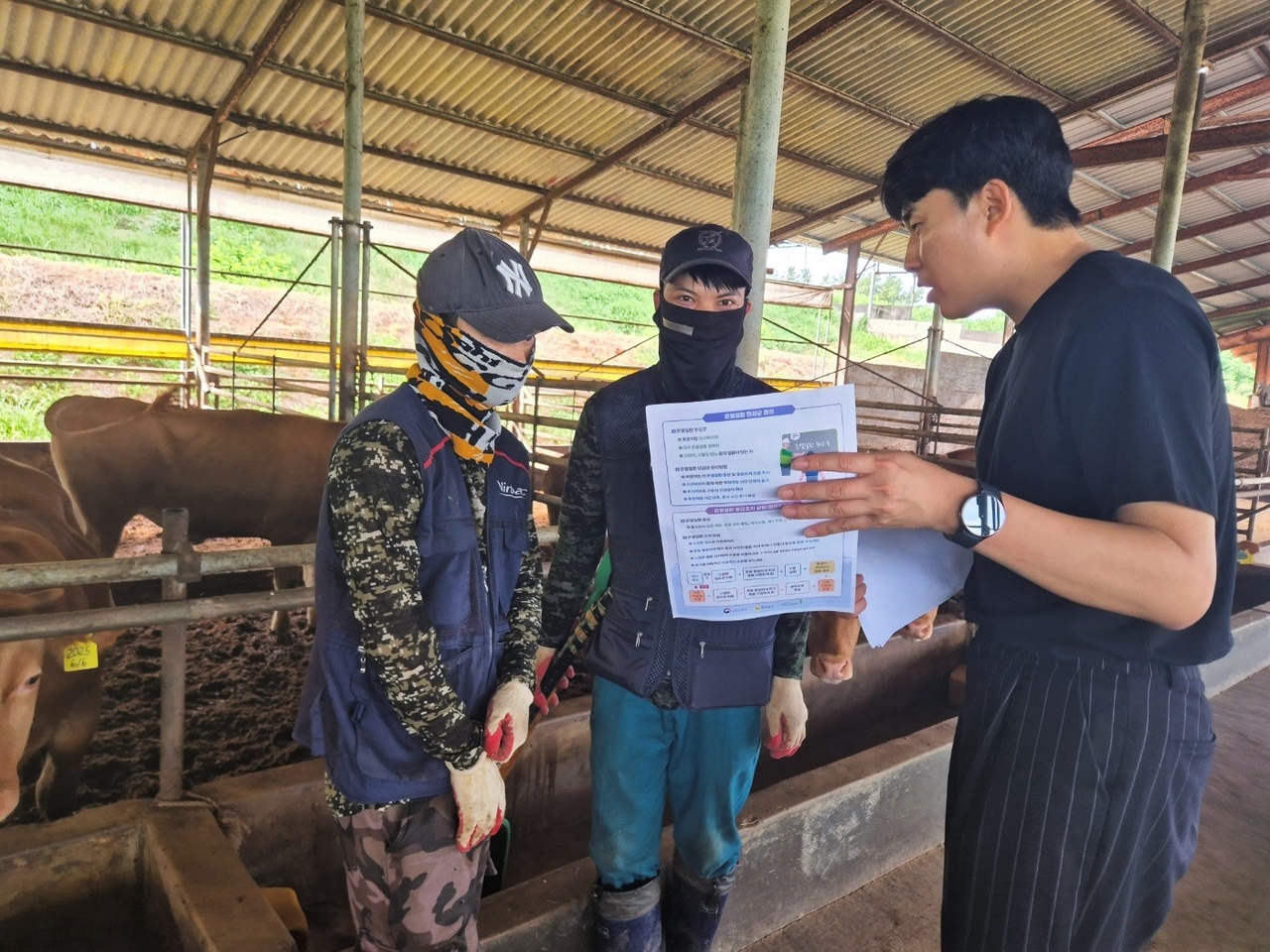
The number of workers granted industrial accident recognition for heat-related illnesses suffered on the job has risen nearly sixfold over the past five years, according to newly released data. Concerns are growing over heat-related workplace injuries this year, with four deaths from heat illness already approved as industrial accidents through May — before the peak of summer has even arrived.
Data submitted to People Power Party lawmaker Kim Wi-sang of the National Assembly's Environment and Labor Committee by the Korea Workers' Compensation and Welfare Service show that approved heat illness industrial accident cases jumped from 13 in 2020 to 77 last year, a 5.9-fold increase.
Annual approvals climbed steadily each year: 13 in 2020, 19 in 2021, 23 in 2022, 31 in 2023, 51 in 2024, and 77 last year.
Fatal cases have also continued to accumulate. Deaths approved as heat illness industrial accidents numbered two in 2020, one in 2021, five in 2022, four in 2023, two in 2024, and five last year.
This year's trajectory is particularly alarming: 18 heat illness industrial accident claims were filed through May alone, of which 12 were approved. Four of those approved cases were fatalities — nearly matching last year's full-year death toll.
Heat illness is an acute condition that occurs when prolonged exposure to extreme heat or high-temperature environments disrupts the body's ability to regulate its core temperature. Early symptoms include dizziness, headaches, muscle cramps and fatigue, but without prompt intervention the condition can progress to heatstroke, which can be life-threatening.
Heatstroke is believed to be the cause of death in a significant share of fatal heat illness industrial accident cases. It can involve neurological symptoms such as loss of consciousness, confusion and seizures, and is typically marked by hot, dry skin.
Because heat illness cases tend to concentrate in August, when average temperatures peak, this year's industrial accident toll could climb further.
"The nearly sixfold surge in heat illness industrial accidents over the past five years is evidence that current prevention measures are not adequately protecting workers on the ground," Kim said. "The government must put in place substantive measures to strengthen heat illness management and oversight."
The Ministry of Employment and Labor has responded to the rise in heat-related industrial accidents by refining its work-suspension guidelines based on apparent temperature and stepping up on-site inspections.
At an apparent temperature of 33 degrees Celsius or above, workers are advised to rest for at least 20 minutes every two hours; at 35 degrees or above, at least 15 minutes every hour. When the apparent temperature reaches 38 degrees or above, the ministry recommends suspending all outdoor work except emergency operations.
The ministry shifted its heat response approach last month from guidance-focused outreach to a full enforcement regime, and has said it will pursue strict legal measures, including criminal referrals, for violations of the Occupational Safety and Health Act.
fact0514@heraldcorp.com