
2026 Yeowoorak opens Wednesday, running for more than 20 days
Artistic director and music director bring an innovative stage together
A rocker doing pansori, a dancer doing traditional performance — vivid clashes of character
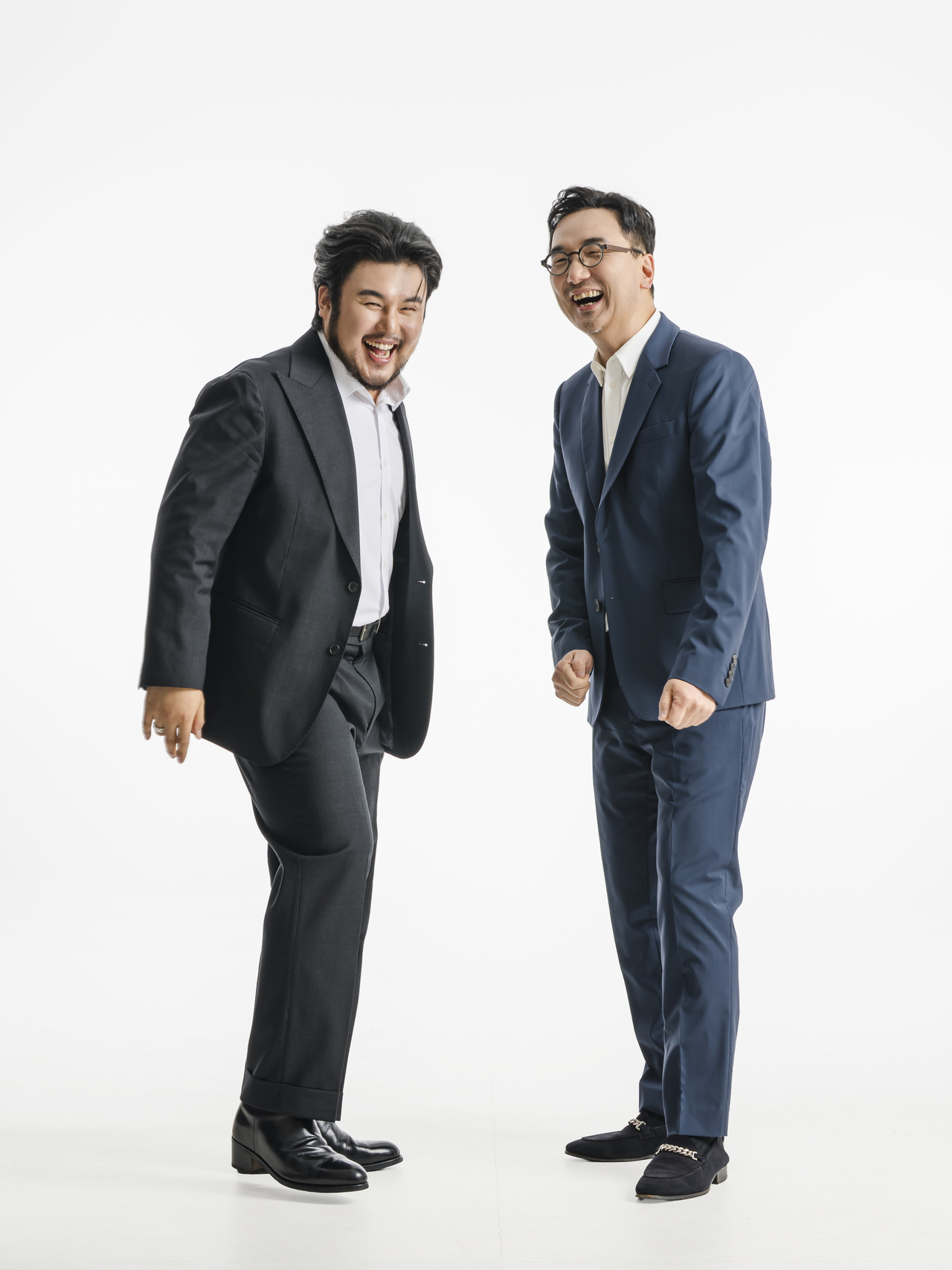
Bright contemporary melodies ripple over the deep, resonant tones of tradition. A rocker sings pansori; a pansori singer plays rock. Blues meets traditional Korean sound, and street dance mingles with classical folk performance.
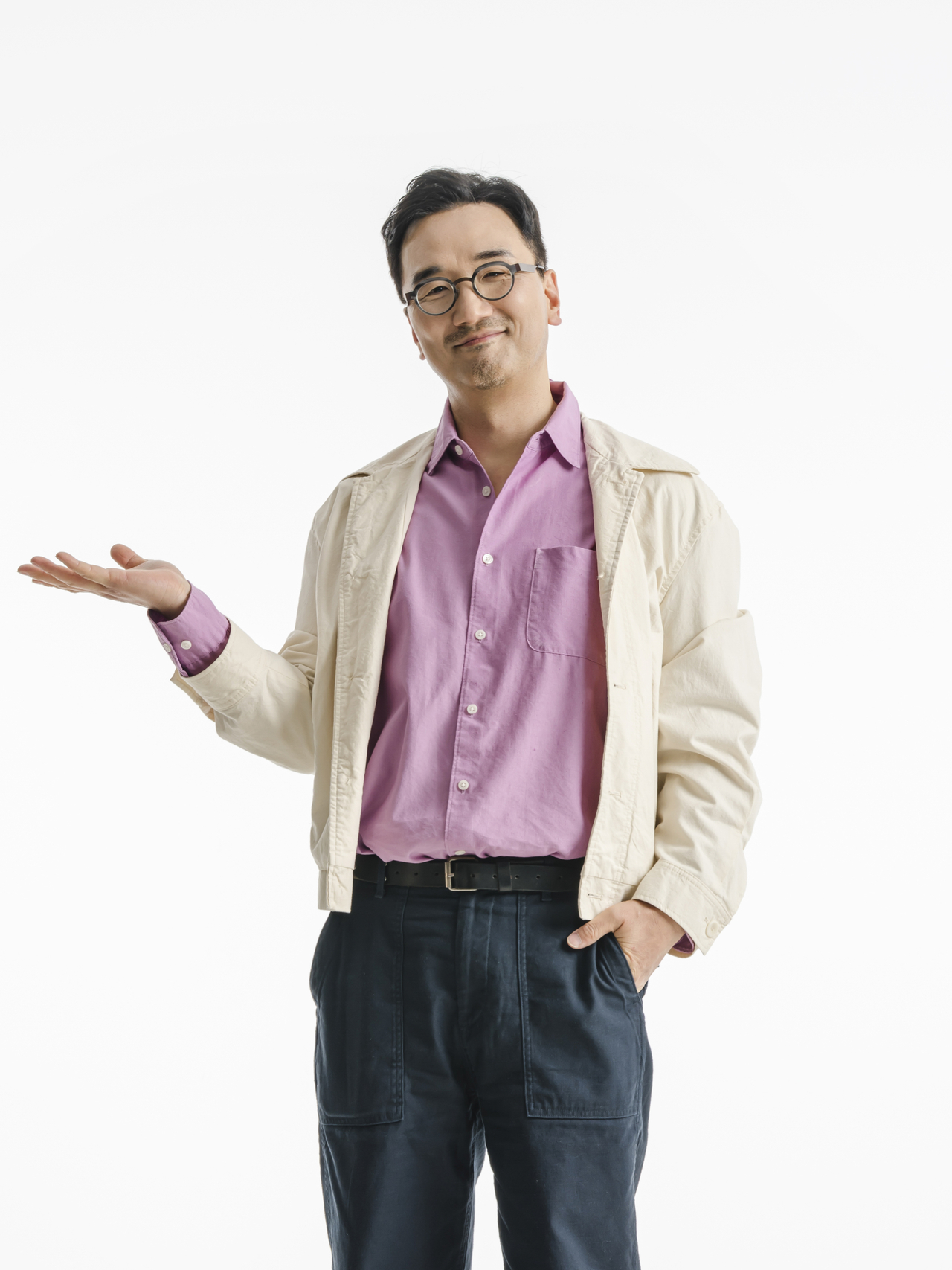
The National Theater of Korea's signature summer event, the Yeowoorak Festival, is back with a short, punchy declaration: "Our music is already by your side." Now in its 17th edition, this year's festival sees veteran pop musician Lee Han-cheol and young pansori singer Yoo Tae-pyeong — a former member of the National Changgeuk Company — take the helm as artistic director and music director, respectively. Their pairing alone is already an act of reinvention.
"Art is ultimately about people meeting people," Yoo said. "The music of our time, born from the collision of strong personalities, is right here."
The two are working intensely to erase genre boundaries and build a festival that bills itself as "Korean music for everyone." The Korea Herald met them at the National Theater of Korea in Jangchung-dong, Seoul.
From the Audience to the Stage, From Performer to Creator
Their collaboration began with an unexpected case of fandom. It was last year that Lee — the musician behind the beloved feel-good anthem "It's OK, It'll Work Out" — first appeared on the National Theater's radar.
Every morning from 7 to 9, Lee hosted a radio program on the Korean Traditional Music Broadcasting station, moving freely across genres. "I was just beginning to open my eyes to Korean traditional music when I noticed the producer booking tickets to a Yeowoorak show, and that got my attention," he said. Without anyone pushing him, he bought tickets to the entire month-long run. "At first I wondered if I could fit it all in with my packed schedule, but I ended up experiencing an incredible rush — the kind you only get when you're traveling somewhere new," he recalled.
His near-perfect attendance — enough to earn what he jokingly called a "Yeowoorak perfect-attendance award" — made him the National Theater's pick as its next artistic director, a figure they saw as an agent of change. "I used to imagine what it would be like to stand on that stage myself," Lee said with a laugh, "but I never expected the responsibility of artistic director to come knocking this soon."
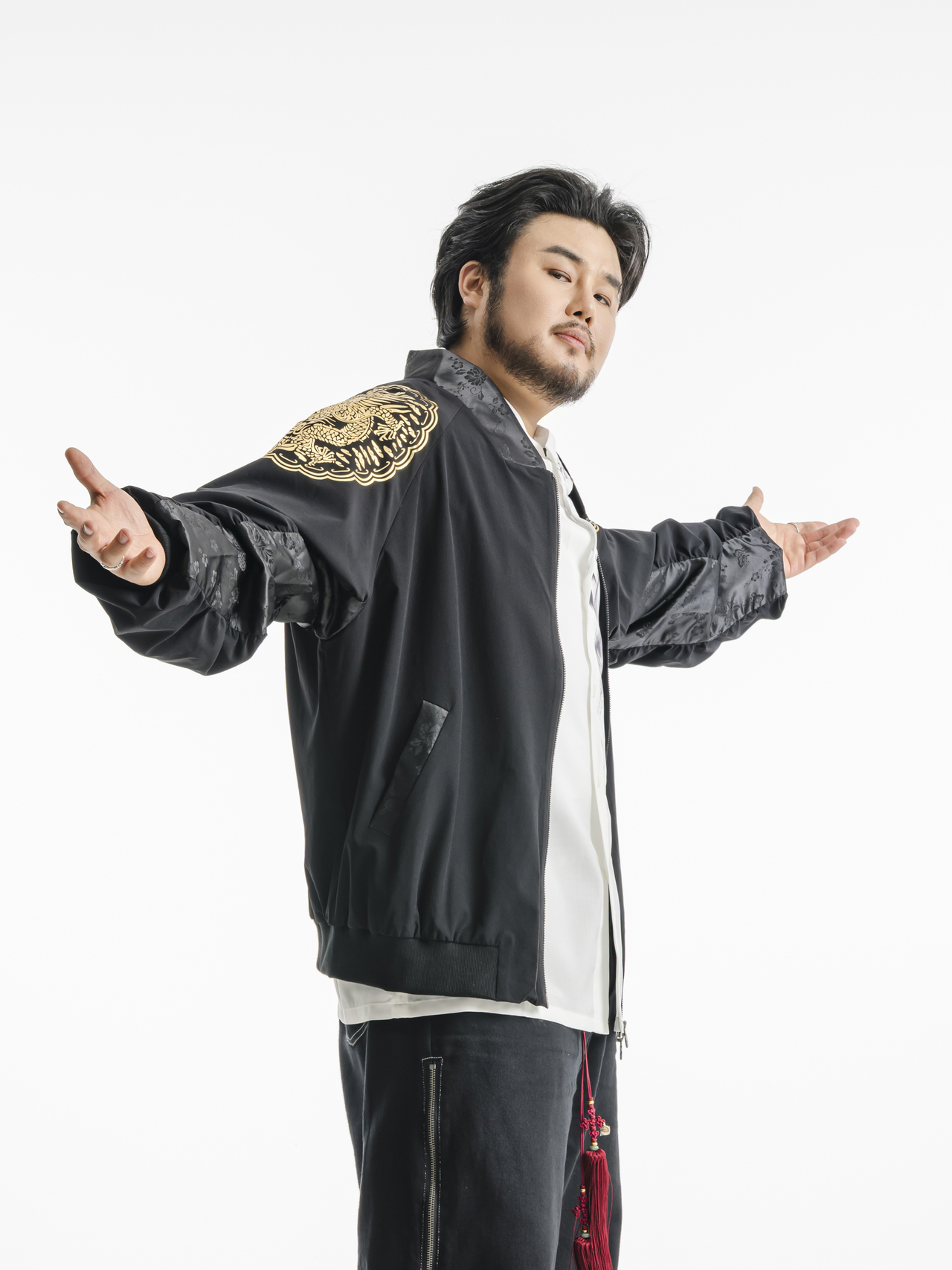
For Yoo Tae-pyeong — a star of the National Changgeuk Company and a multifaceted creator — the connection with Yeowoorak feels like destiny. He had performed at the festival before, but a company member could not take on a director's role. When Yoo left the changgeuk company last year after many years to forge his own path as an independent creator, Yeowoorak moved quickly to bring him on board.
"I still felt I wasn't ready to serve as music director," he said, adding that he had assumed the artistic director could handle everything the music director's role entailed.
Part of his hesitation came from knowing the stage too well. Having spent more than a decade as a leading figure of the changgeuk company, Yoo had a special relationship with Yeowoorak. The festival is the kind of place people never visit just once. It is an unparalleled arena where traditional music the general public had barely discovered, and the roar of young Korean traditional musicians, has shaken Namsan to its core. Since its launch in 2010, the festival has drawn a cumulative audience of about 88,000, with an average seat occupancy rate approaching 90 percent.
"Even when I was under the same roof at the National Theater, Yeowoorak was always a source of pride for me," Yoo said. "I only said yes after honestly asking myself whether I could truly be of help here." He held off on giving a definitive answer for a week, mentally running through a hypothetical Yeowoorak season. After leaving the company, he had been expanding his work beyond performing into creating and producing — and Yeowoorak was the leap that could take him further.
'Korean Traditional Musicians Stake Their Lives on It' — One Team Erasing Boundaries
Yeowoorak is the original collaborative stage. The festival pairs artists from different genres and disciplines, then puts the collisions and harmonies between them on display. Pairing two seemingly mismatched artists has since become a common formula — seen at events like the Sejong Center for the Performing Arts' SyncNext — but trace it back to its origins and you find Yeowoorak.
For both directors, Yeowoorak is not a one-off collaboration that happens once a year. "It's not simply a matter of putting two artists together and asking them to do a song," Yoo said. "The festival has always served as an incubator that elevates each artist to the next level."
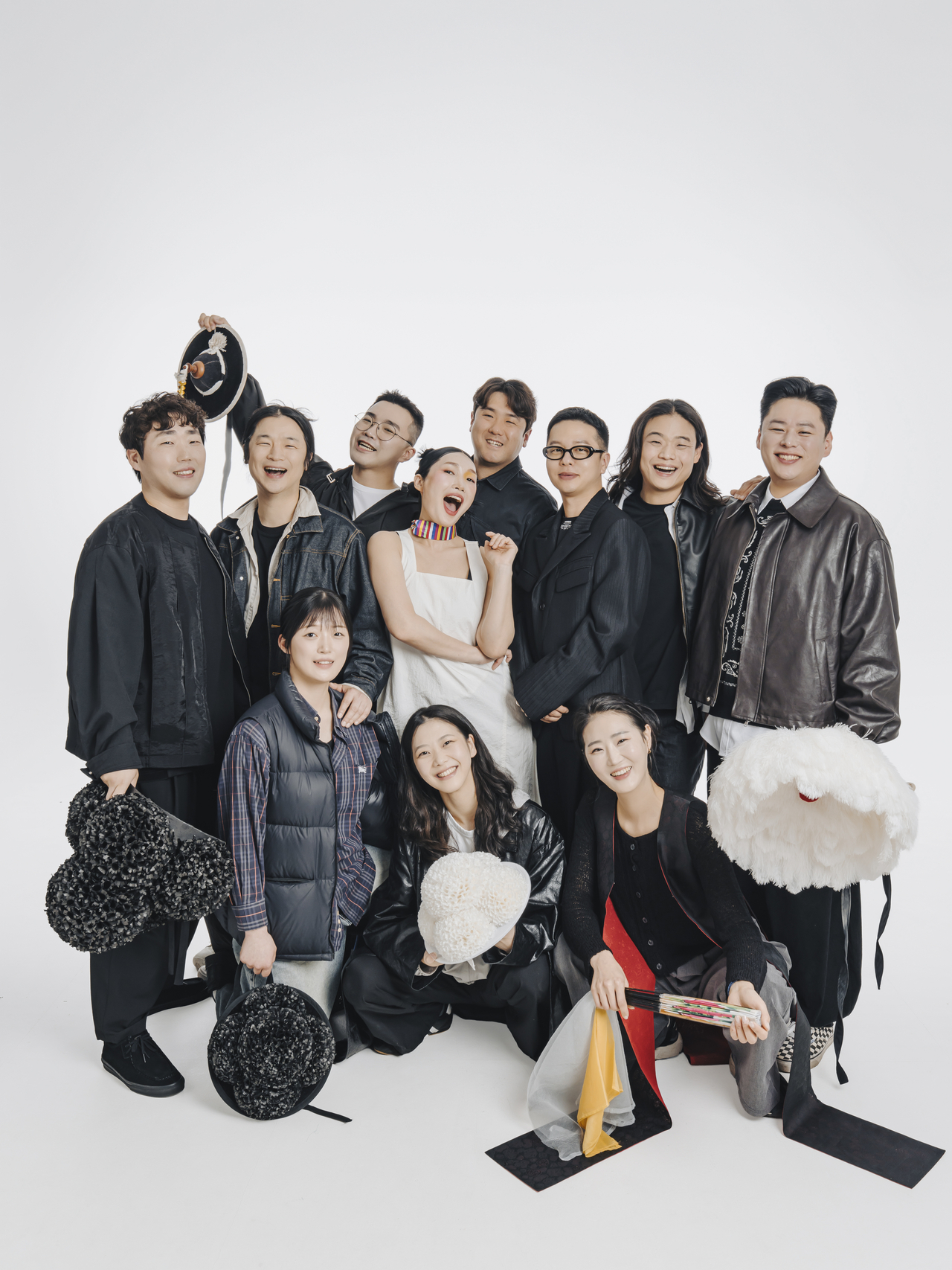
What makes a Yeowoorak stage special is the energy the artists bring. Music that has existed for centuries has evolved rapidly through successive generations. The performers who take this stage — transcending age and gender — pour their souls into a single show. "What Korean traditional musicians bring to the stage goes beyond the professional," Lee said. "It demands a level of immersion and energy that is simply impossible unless you stake your whole life on it." Yeowoorak is the apex of that fierce energy.
This year's slogan — "Korean music for everyone" — signals a stage where audiences can encounter Yeowoorak as it stands today, built up layer by layer over more than a decade. "Rather than overhauling its direction every year, Yeowoorak has been broadening its spectrum over more than ten years," Lee said. "If recent years were a period of adding more experimental work, this edition is about widening the reach toward a more popular audience."
The lineup is as strong as it has ever been. The two directors pooled every connection and resource they had to put together a month-long program.
Headlining are singer-songwriters Kang San-eh, Sunwoo Jung-a and Ha Rim — musicians' musicians all — alongside dancer Lip J. Joining them are Kim Su-in of the National Changgeuk Company, pansori singers Jeong Bo-gwon and Jeong Yun-hyeong, Seo Ui-cheol Gadan, Sangjaru, and other young Korean traditional musicians at the forefront of the scene today. The casting process was not without its difficulties. "A lot of people see Korean traditional music as too high a mountain to climb," Lee said. "There were cases where I spent a month or two trying to persuade someone, and they still said they couldn't do it."
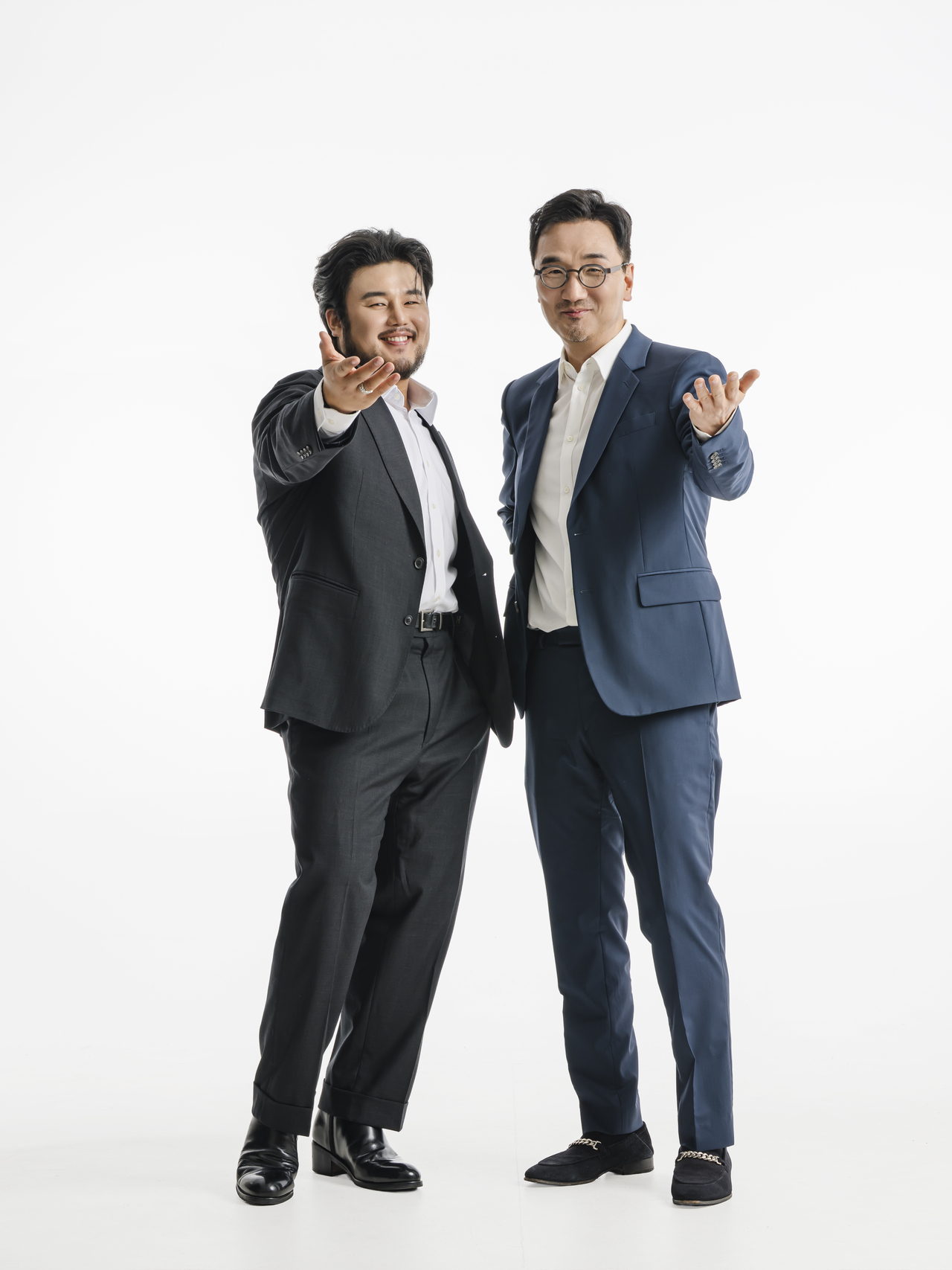
The philosophy guiding how artists are paired is what the directors call "vivid clashes of personality." The idea is to match two artists with strong, distinct identities and let the intensity of their fusion speak for itself.
At the same time, the key to each pairing is balance. "When a vocalist and an instrumentalist share the stage, the vocalist tends to draw more attention, so we worked hard to calibrate the setlist to even things out," Lee said. When a widely popular artist is paired with a pansori singer, the scales of recognition naturally tip to one side. "Just as it's rare to find a performance where everyone is equally the star, that's a natural phenomenon," Yoo said. "But to minimize it as much as possible, we asked everyone to function as one team — never leaving the stage empty, keeping their eyes on each other and breathing together organically, even in moments when they're not singing or playing." It is a musical safeguard against the imbalance of the spotlight.
Both directors are relentless. They call performers at all hours to check on progress and make all manner of requests — enough that Kang San-eh reportedly said they were "too greedy." The pairing they are most eager for audiences to watch is pansori singer Jeong Yun-hyeong alongside bluegrass band Contry Gongbang. "Bluegrass and pansori have never met — not in Korea, not anywhere in the world," Lee said. For young pansori singer Jeong, this stage is a moment of breaking out of the shell. "He had always stuck strictly to tradition, and defined himself that way," Yoo said. "We wanted to offer him a new definition."
Another bold move is the arrival of waacking dancer Lip J at Yeowoorak. The performance weaves together AI vocals, electronic sound and elements of traditional visual art. "Even among ourselves, it's a huge gamble," Yoo said. "We've been building the piece together through days-long workshops, and the process feels like making an entire changgeuk production."
Changbutaryeong and a 7,700-Won Taxi Fare — the Two Directors' Musical Self-Portraits
Each director will lay out their own musical DNA through the opening and closing performances.
The opening show, led by Lee, reimagines Korean folk songs through the lens of popular music. Drawing on his strengths as a top-liner, he has written seven new songs for the program. The title track, "Changbutaryeong (subtitled 'Saenggak,' or 'Thought')," layers vocalist Choi Su-yeon's voice over punk, reggae and jazz rhythms, and is expected to grab audiences with a raw sound in the style of a European rock band. "It's a simple arrangement — just guitar, drums and bass — but for some reason you keep coming back to it," Lee said. "Of all the new songs we're releasing, this is the one I most hope people will remember."
The closing show, directed by Yoo, is built on intimate, specific storytelling. "7,700 Won" takes its title from the late-night taxi surcharge that clicks on when he leaves his studio in the early hours of the morning; "248" captures a thought that came to him during a recent move — "moving house is about flowing forward, not staying still." Diary entries and snapshots from a photo album drift between the cadences of hummed pop melodies and pansori. It is a one-person music theater piece, entirely Yoo's own.
"Story is always central when I write," he said. "I spent a long time thinking about how to convey my experiences and narratives in my own way. These private moments, gathered together, will become our future — and I hope they expand into a kind of blessing for Yeowoorak's future as well."
The two-director partnership of people from entirely different worlds is itself proof that the festival can evolve and that coexistence is possible. "When popular music and Korean traditional music meet with mutual respect and on equal footing, the synergy will be even greater," Lee said. "Building on the experimental spectrum Yeowoorak has accumulated over more than ten years, I want to create a stage where audiences can taste something sweet and feel right at home."
The festival draws out "our music" — always present, always near — and shows it in a new light. "From the perspective of the Joseon era, the short sleeves and short skirts of today would have been unthinkable, but they became perfectly normal as the times changed," Yoo said. "Korean traditional music, too, can become entirely natural and familiar mainstream music as public understanding grows." He added: "Art is ultimately about people meeting people. If the stage these people have come together to create stays in the memory of more people, that alone would make it all worthwhile."
shee@heraldcorp.com




