
Chains push 'one-coin breakfasts' under 500 yen to capture commuters
Mos Burger, Saint Marc Cafe, Sukiya and Saizeriya intensify competition
'Landing a morning customer lifts daily sales and return visits alike'
By Seo Ji-yeon, The Herald Business
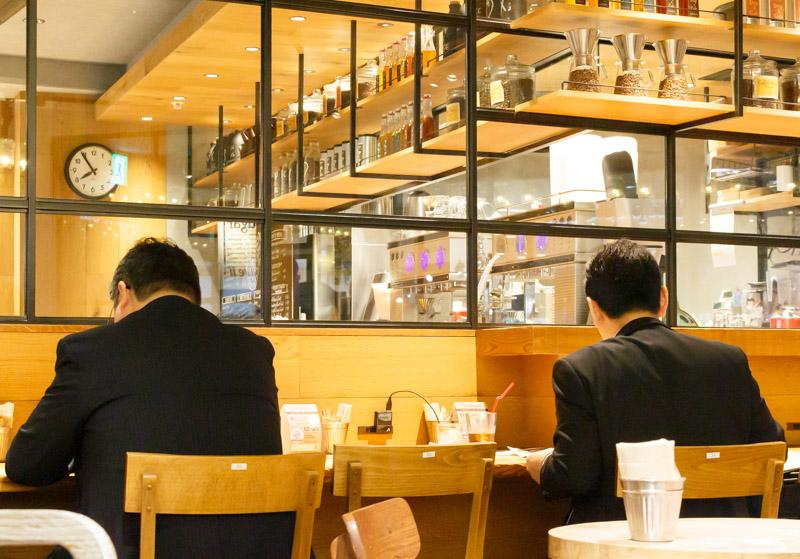
Japan's restaurant industry is moving quickly to capture the breakfast market. As the number of dual-income and single-person households rises, more people are opting to eat out in the morning rather than prepare meals at home — prompting restaurant chains to revamp their breakfast menus and cut prices.
According to the Yomiuri Shimbun, major Japanese restaurant chains have been stepping up morning operations and pushing into the breakfast market. Mos Food Services, which operates the Mos Burger chain, overhauled its "Morning Mos" menu — available until 10:30 a.m. — for the first time in three years, starting in March.
The revamped lineup features five new items, including vegetable-forward burgers made with lettuce and tomatoes sourced from roughly 2,000 farms, and a teriyaki burger topped with a soft-boiled egg.
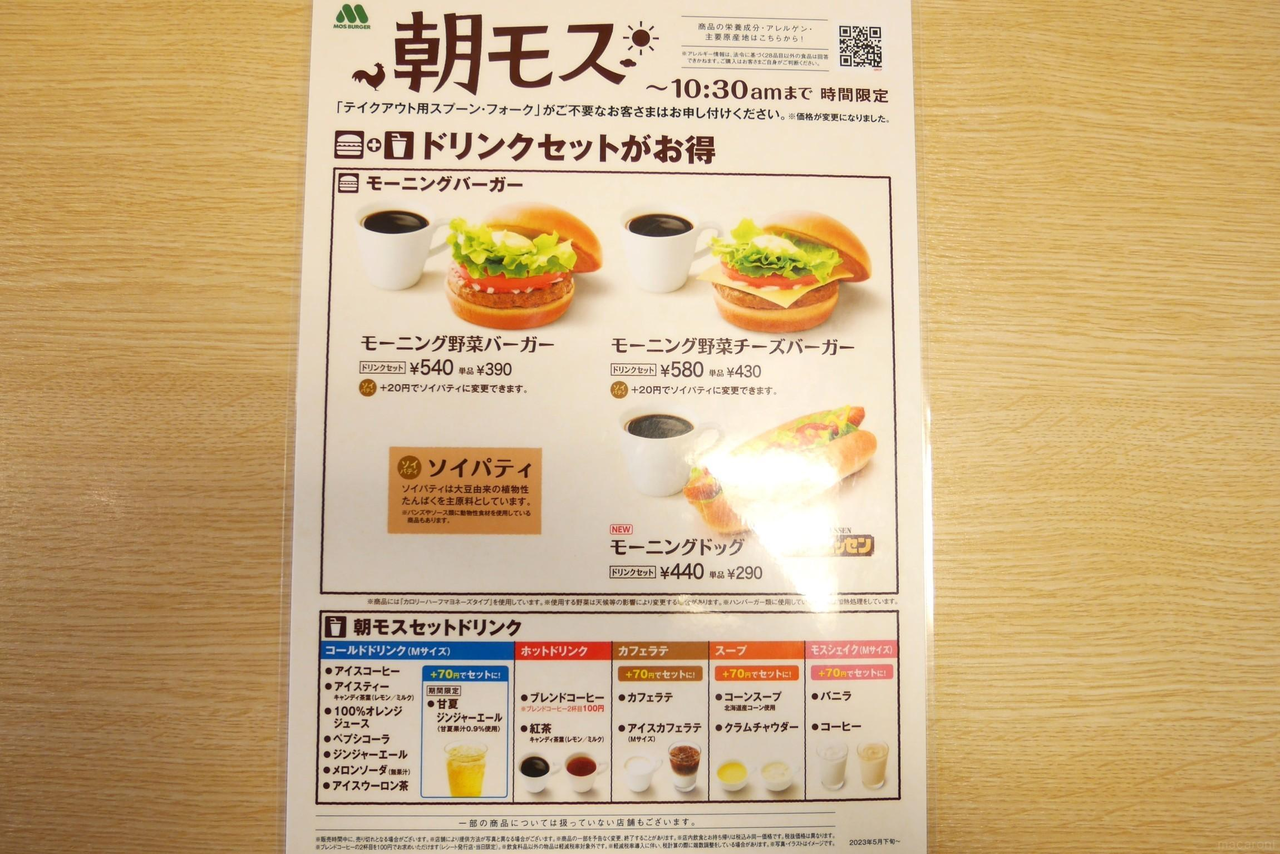
Mos Food Services is focusing on growing breakfast demand to reduce its heavy reliance on lunchtime sales. The company said morning-hour sales growth was the highest of any daypart in the three months following the menu overhaul.
It is also considering expanding its breakfast offering to more stores beyond the locations currently running the morning menu.
Saint Marc Cafe also undertook its first-ever full breakfast menu overhaul since its founding, in April.
The revamped lineup added two new items, bringing the total to seven morning sets. The chain sharpened its price competitiveness by offering a croissant-and-drink set for 390 yen, among other options.
Sukiya, a gyudon beef-bowl chain, moved its breakfast service start time up by one hour — from 5 a.m. to 4 a.m. — beginning in March, targeting night-shift workers and early commuters.
Family restaurant chain Saizeriya runs its "Morning Saize" program mainly in Tokyo, offering a focaccia-and-drink-bar set for 300 yen, with most items priced under 500 yen. The company plans to expand the service to other major cities.
The industry's growing interest in breakfast reflects how quickly the market itself is expanding.
According to market research firm Sakana Japan, Japan's restaurant breakfast market totaled 534.7 billion yen ($3.3 billion) in the year from October 2024 through September 2025.
After declining in the wake of the COVID-19 pandemic, the market has grown about 30 percent over the past three years, moving beyond a recovery and into an expansion phase.
Industry observers attribute the trend primarily to the rise of dual-income and single-person households.
High food prices have made preparing breakfast at home more costly and time-consuming, while demand is growing among people who want a quick meal before heading to work.
For restaurant operators, breakfast service is an attractive business proposition.
Labor costs are lower than for late-night shifts, and simplified menus allow for more efficient operations. Perhaps most importantly, securing a morning customer raises the likelihood of that person returning for lunch or dinner.
Kan Kentaro, a researcher at the Japan Research Institute, said that when breakfast becomes a daily habit, it can translate into more frequent visits. "Offering products tailored to the characteristics of each neighborhood and commercial district is the key to success," he said.
Some in the industry say Japan's expanding breakfast market holds lessons for South Korea's restaurant sector as well, given that single-person and dual-income households are also rising steadily there, driving continued growth in demand for quick morning meals eaten outside the home.
sjy@heraldcorp.com




