
Within a day of a new mobile game's launch, one internet streamer spent about 300 million won ($195,000) on in-game currency, while another YouTuber posted footage of purchasing 18 million won worth of in-game diamonds. Neither was an ordinary big-spending player. Both were streamers paid by the game developer to promote the title.
The problem goes beyond individual spending. Marketing fees paid by the developer flow through the streamers' in-game purchases and are recorded as game revenue — figures that feed directly into app store sales rankings and serve as key indicators of a game's commercial performance. The episode has reignited a long-running industry debate over so-called promotional streamers.
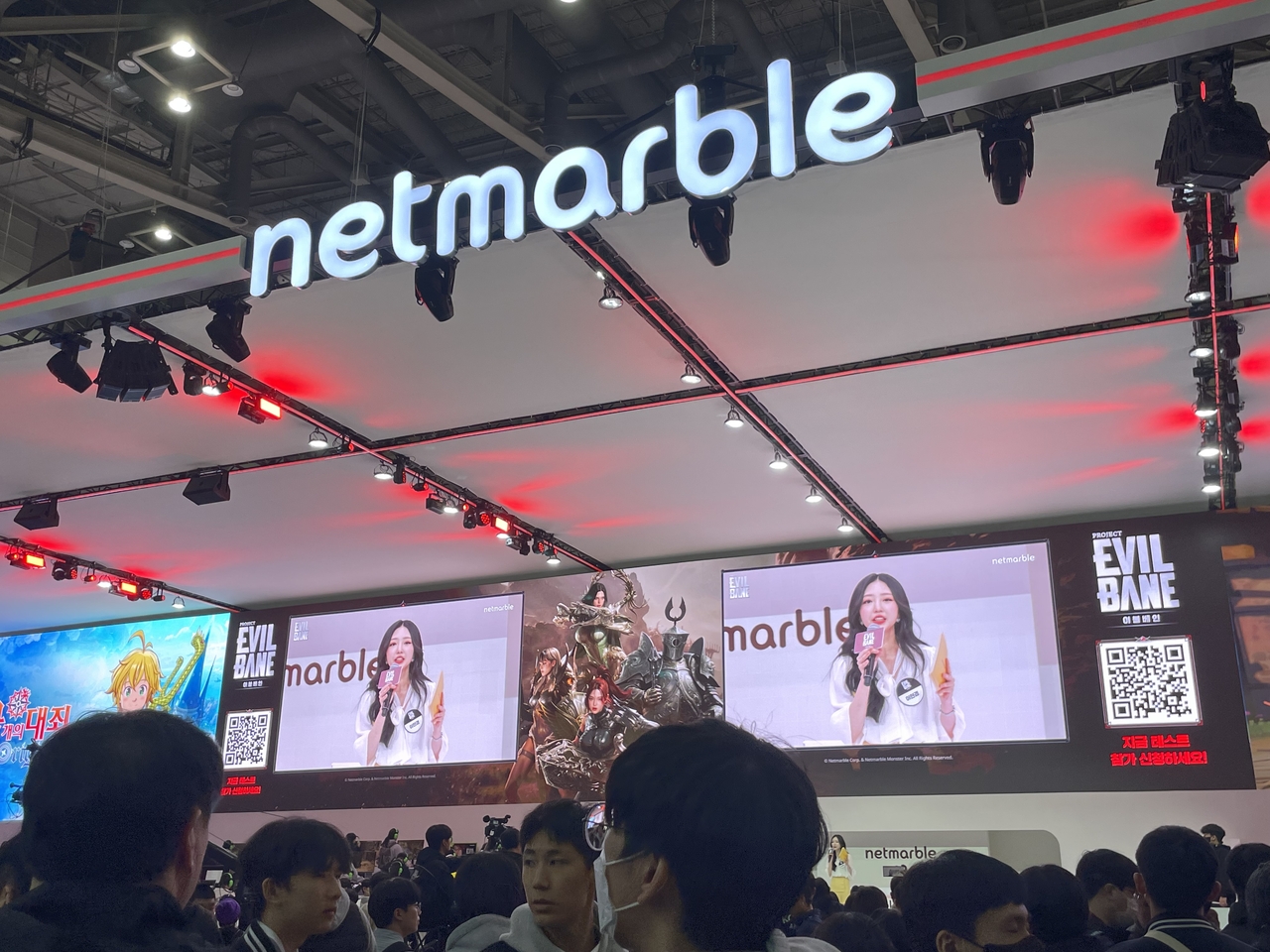
The controversy centers on "Sol: Enchant," an MMORPG that Netmarble released June 18, with high-value in-game purchases by promotional streamers drawing wide criticism across the gaming industry.
YouTuber A, who has about 230,000 subscribers, purchased roughly 10 million in-game diamonds on the game's launch day. Based on in-game package prices, the amount is estimated to exceed 270 million won. YouTuber B, with about 260,000 subscribers, posted a video June 22 showing a purchase of 18 million won worth of diamonds.
Both YouTubers disclosed in their videos that the content included paid advertising and that they had received promotional support from the developer. Under such arrangements, a game company pays a streamer a marketing fee, which the streamer then uses for in-game purchases and content production. The practice has been common in Korean-style MMORPGs, where loot-box mechanics and player-versus-player competition are central features.
The promotional streamer controversy is closely tied to app store sales rankings. Google Play and the Apple App Store calculate rankings based on revenue generated over a given period, and early sales rankings are widely used as a key indicator of a game's commercial success — which is why developers pour large sums into promotional streamer marketing.
MMORPGs in particular depend heavily on early user acquisition and the formation of competitive server dynamics. High-spending streams signal to potential players that a game is the dominant title to join. But when promotional fees cycle back into recorded game revenue, genuine player spending and marketing-driven spending become indistinguishable. For users, it is difficult to tell whether an app store ranking reflects organic popularity. The videos posted by the YouTubers in question drew a significant number of critical comments.
Under current regulations, directly restricting the practice is not straightforward. As long as a streamer discloses paid advertising, the arrangement avoids running afoul of South Korea's Act on Fair Labeling and Advertising. The in-game purchases are also processed as legitimate transactions for actual game content. The legal standard for how far authorities can go in challenging the recycling of advertising fees back into ranked game revenue remains unclear.
A similar controversy over NCsoft's "Lineage 2M" promotional streamers previously went to court, but both the first and second trials ruled in the company's favor. The court found that the money NCsoft paid to streamers constituted advertising fees and that the company could not be said to have compelled the streamers to make in-game purchases.

Against this backdrop, some game developers are distancing themselves from promotional streamers. NCsoft said it will not use promotional streamers for "Lineage Classic," slated for release next year. The move is seen as part of a broader effort to reduce the payment fatigue that has built up around traditional Lineage-style MMORPGs, alongside other measures such as manual-only gameplay and a monthly subscription model.
Within the industry, calls are growing for at least a minimum level of transparency. Simply displaying a paid-advertising label on screen is not enough, critics argue — developers should more clearly inform ordinary users whether a given account is a promotional one and what effect promotional spending at that scale has on the broader player experience.
rim@heraldcorp.com