
Han Byung-do warns of unilateral action if People Power Party withholds its list; PPP vows to keep negotiating
Wednesday marked the deadline set by National Assembly Speaker Jo Jeong-sik for parties to submit their standing committee rosters, yet the ruling and opposition parties remained locked in a tense standoff over the Assembly's second-half organizational setup, leaving open the question of whether a last-minute deal is still possible.
The Democratic Party of Korea submitted its standing committee list unilaterally Wednesday in response to Jo's request. The People Power Party, however, refused to submit its own list, insisting on securing the chairmanship of the Legislation and Judiciary Committee. That stance has raised the prospect that the Democratic Party could end up distributing committee chair posts on its own.
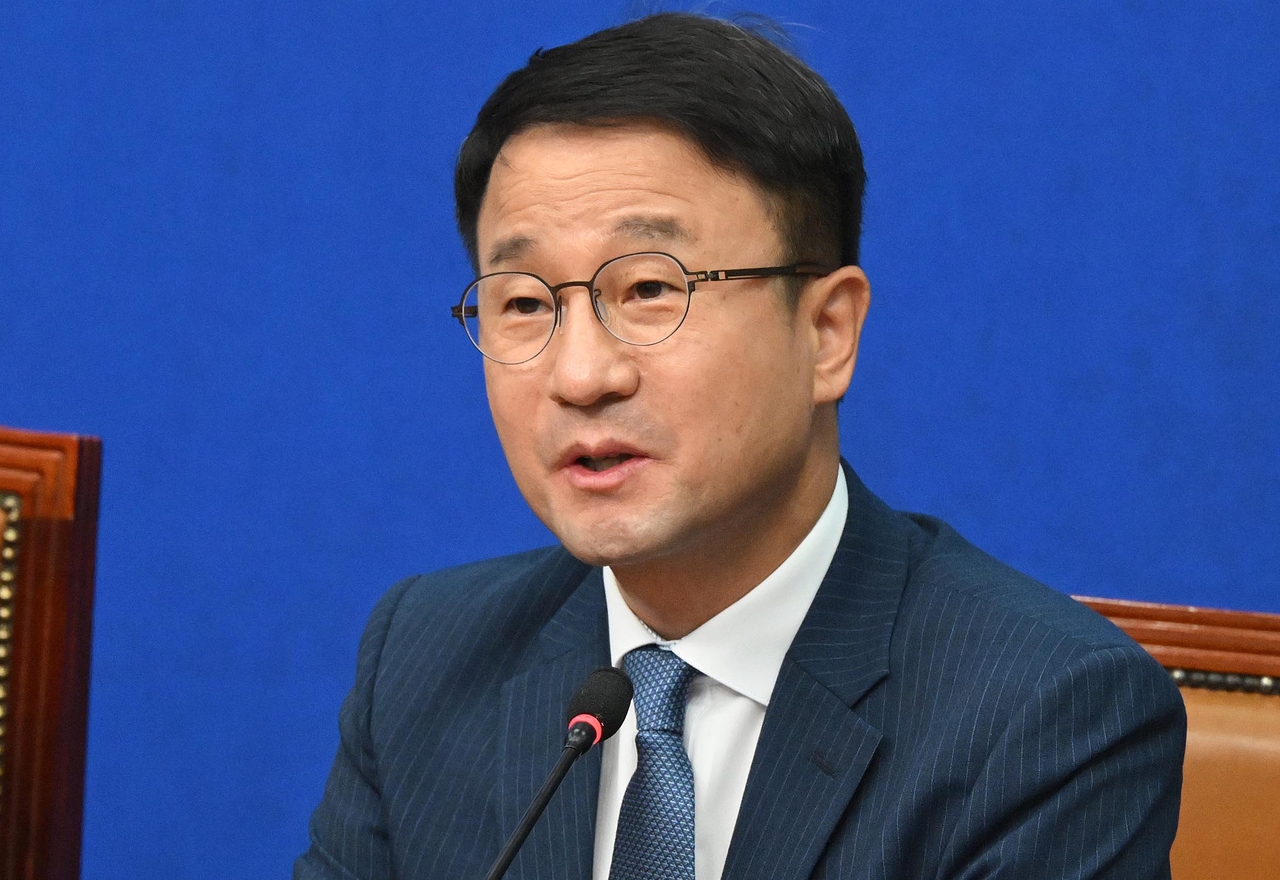
Democratic Party floor leader Han Byung-do said at a supreme council meeting at the National Assembly that his party had "shown patience and worked to persuade" the other side in pursuit of an organizational agreement. "If the People Power Party ultimately refuses to submit its list, the Democratic Party will act alone to uphold the National Assembly Act," he said.
The Democratic Party has taken the position that securing key committees — including the Legislation and Judiciary Committee and the Political Affairs Committee — is essential to maintaining its grip on Assembly operations.
The party is also weighing options that would go beyond the conventional seat-proportional distribution of committee chairs, under which the Democratic Party would receive 11 and the People Power Party seven.
Some within the party have floated a so-called salami tactic to pressure the People Power Party. The approach would involve passing motions to elect chairs of major committees unilaterally in a plenary session first, then using those gains as leverage in subsequent negotiations with the PPP over the remaining posts.
The People Power Party has held firm in its demand, arguing that the largest opposition party must chair the Legislation and Judiciary Committee to serve as a check on the government and ruling party, and has withheld its committee roster accordingly.
The PPP views Speaker Jo's signal that he could allow the Democratic Party to elect committee chairs alone as, in effect, a pressure card aimed at the opposition. Even so, the party plans to continue negotiating with the Democratic Party until the very end.
bigroot@heraldcorp.com



