Korea Enterprises Federation surveys BSI outlook for 600 top firms
July reading at 98.0, below the 100 threshold for fourth consecutive month
Most manufacturing sectors outside semiconductors continue to struggle
Accumulated cost burden from high oil prices delays broader recovery
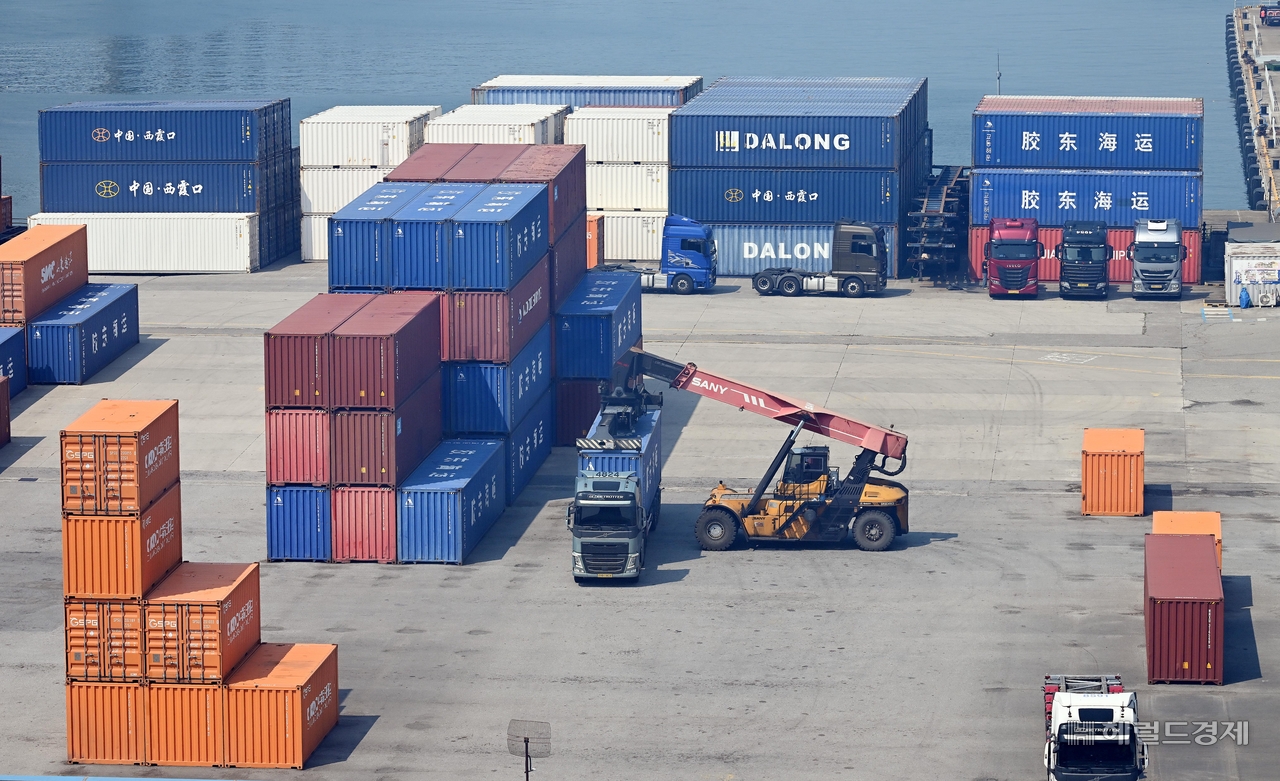
South Korean corporate sentiment turned negative for the fourth consecutive month, with most manufacturing sectors outside semiconductors continuing to struggle under the weight of high oil prices and rising costs.
The Korea Enterprises Federation said Wednesday its Business Survey Index for July came in at 98.0, based on a survey of 600 top companies by sales.
A BSI reading above 100 signals a more positive business outlook compared with the previous month, while a reading below 100 indicates a negative one. The index has remained below the 100 threshold for four straight months after posting a positive reading of 102.7 in March.
The July outlook varied by sector. The manufacturing BSI fell to 95.6, turning negative within a month after recording 101.7 in June. The non-manufacturing BSI, by contrast, rose to 100.6, turning positive for the first time in seven months since last December.
Among the 10 manufacturing sub-sectors, pharmaceuticals — which includes healthcare — posted a reading of 125.0, and electronics and telecommunications equipment — which includes semiconductors and related hardware — came in at 112.5, both showing strong momentum. Seven of the remaining sub-sectors, excluding wood, furniture and paper, which sat at the 100 baseline, all recorded negative sentiment.
Among the seven non-manufacturing sub-sectors, three posted positive readings, buoyed by expectations of a July vacation-season boost: leisure, accommodation and dining (121.4), wholesale and retail (112.2), and professional, scientific, technology and business support services (108.3).
The remaining four sub-sectors posted negative outlooks, including utilities — electricity, gas and water — at 84.2, and transportation and warehousing at 91.7.
The federation said that while a memorandum of understanding between the United States and Iran on ending the war has eased some uncertainty around global oil prices, the energy and transportation sectors have been slow to recover. Accumulated cost burdens built up during the period of high oil prices, along with moves to expand inventory, continue to weigh on sentiment in those sectors.
By component, the exports BSI came in at 100.6, marking two consecutive months of positive readings and suggesting that the recent favorable export trend will continue. The last time the exports BSI posted back-to-back positive readings was in October 2021, when it recorded 100.8 — nearly four years and nine months ago.
Six other components, including investment (95.5) and domestic demand (96.9), still fell below the baseline, pointing to a negative outlook.
"The domestic economy has recently shown strong signs of recovery, but a significant number of manufacturing sectors outside specific industries such as semiconductors continue to face difficulties," said Lee Sang-ho, head of the federation's economic division. "We need to strengthen support measures to boost corporate vitality and expand access to financing so that the warmth of economic recovery can spread across all industries."
joze@heraldcorp.com