[1il1t] 'Know Trump, know the world!' The Herald Business international desk delivers a daily one-minute rundown of Trump-related news through the [1il1t] newsletter and series. Click 'Original Article' below the headline and byline at the top of this article to find more Trump coverage.
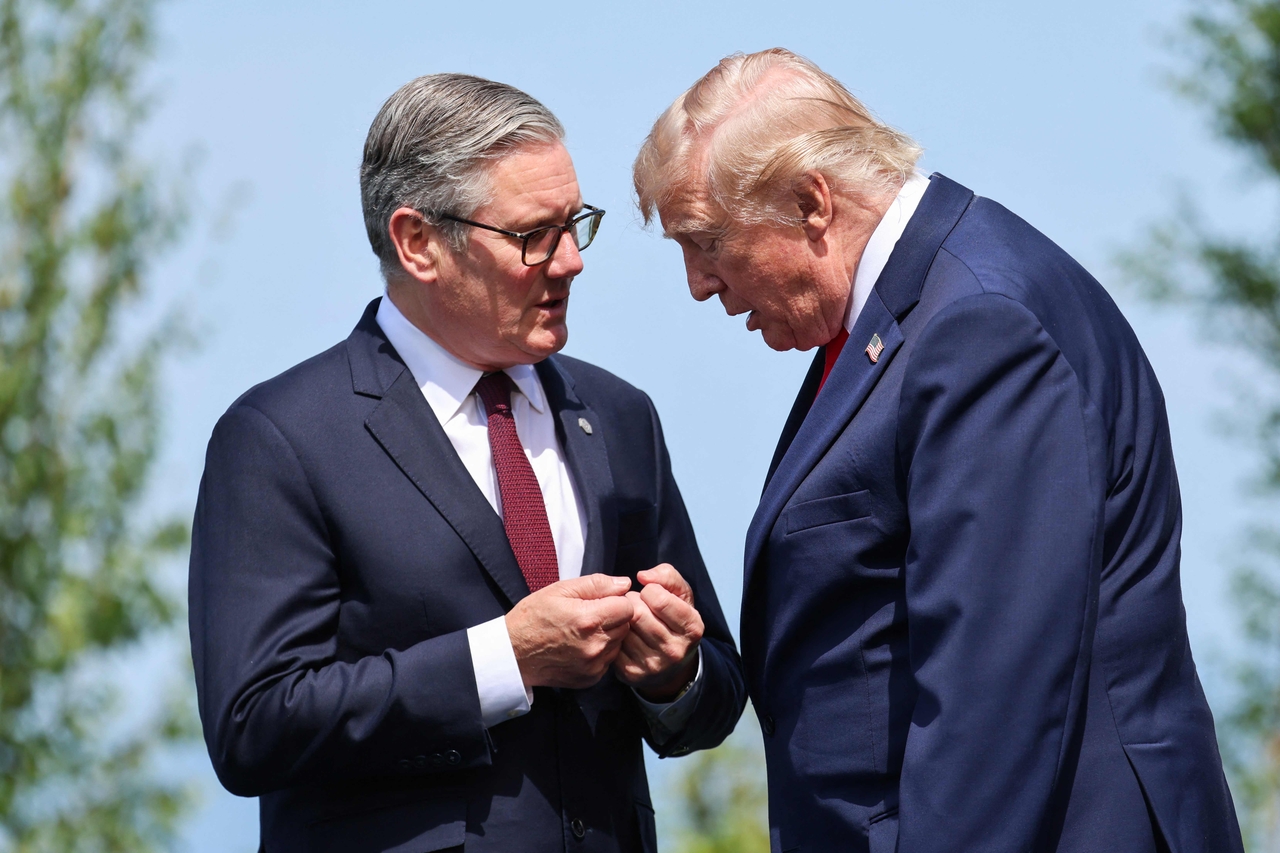
US President Donald Trump has again raised the prospect of British Prime Minister Keir Starmer's resignation, sharply criticizing his handling of immigration and energy policy.
Trump wrote on his Truth Social platform Saturday that Starmer "will be resigning from the position of Prime Minister of Great Britain."
"Starmer has failed badly in two very important subjects — immigration and energy," Trump said, adding: "Open up the North Sea oil fields." He also said he wished Starmer well.
It was not the first time Trump has raised the possibility of Starmer's departure.
On May 15, returning from a state visit to China, Trump told reporters that Starmer would struggle to hold on to his job if he failed to address what Trump called his weakness on immigration and did not stop "putting windmills all over the place."
The remarks are widely read as a push for Britain to align with the hardline immigration stance and fossil-fuel-centered energy policy Trump has pursued since the start of his second administration.
Starmer is already under mounting pressure to resign over economic policy failures and a poor showing in recent local elections.
That pressure intensified after Andy Burnham, the Mayor of Greater Manchester and a leading contender for the Labour Party leadership, won a parliamentary by-election on June 18. British media have reported that Starmer could announce his resignation as early as Sunday.
Trump and Starmer had enjoyed a largely smooth relationship last year, when Britain became the first country to strike a new trade deal with the United States amid Trump's sweeping tariff offensive.
Ties began to fray this year after Trump's push to absorb Greenland, a Danish territory, and have continued to deteriorate after Britain declined to actively support the United States during its war against Iran.
mokiya@heraldcorp.com