The story of the 'Six Martyrs' from the film leads to Daegu
Park Paeng-nyeon's miraculous line of descent and the Yuksinsa shrine
Eom Heung-do's tomb in Gunwi-gun, disputed but carefully preserved
Contemplative Sayuwon garden and Chusa's art at the Daegu Gansong Museum of Art
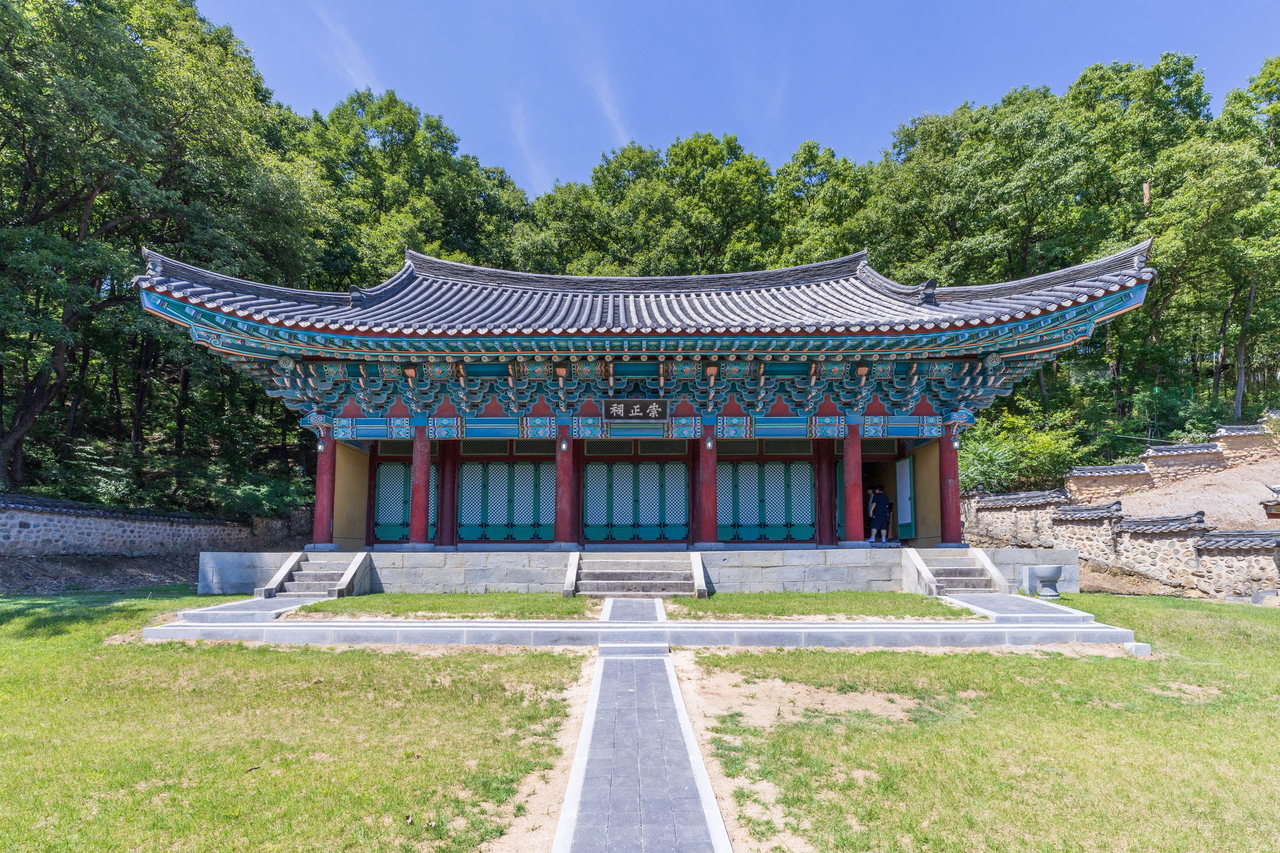
When cries of grief ripple across a blue river on screen, moviegoers' eyes fill with tears. "The King's Warden," a film capturing the final moments of King Danjong, drew more than 16.6 million viewers and sparked what critics have called a "Danjong syndrome."
Audiences wept over the sorrow that flooded the Donggang River at the exile site of Yeongwol — but history points to a different set of coordinates. The narrative thread, undimmed by the passage of centuries, runs south along the foothills of Palgongsan and into the city of Daegu.
Loyalty's roots, carried in blood
Even after the film's blockbuster run, public attention to the Six Martyrs remains intense. In search of the shrine dedicated to the six loyalists who refused to bow before Sejo's blade, this reporter headed to Myogol Village in Habin-myeon, Dalseong-gun, Daegu. A cultural heritage interpreter on site explained the layered meanings behind the village's name.
"This village has been called Myogol since ancient times," the interpreter said. "The name carries several meanings at once — the 'myo' of a mysterious terrain that hides the village interior from outside view, the 'myo' of the shrine enshrining the Six Martyrs, and the sense that the village's very origins are remarkable."
Myogol Village is a clan village of the Suncheon Park family, where descendants of Park Paeng-nyeon — one of the Six Martyrs, posthumously honored as Chungjeonggong — have kept their roots for 570 years. The historical record of the Six Martyrs incident is one of unsparing cruelty. King Sejo ordered the extermination of three generations of kin for all those involved in the movement to restore Danjong to the throne. Under that sweeping purge, the direct lines of five of the six loyalists were severed. Only in Park Paeng-nyeon's family did a miraculous ember of life survive.
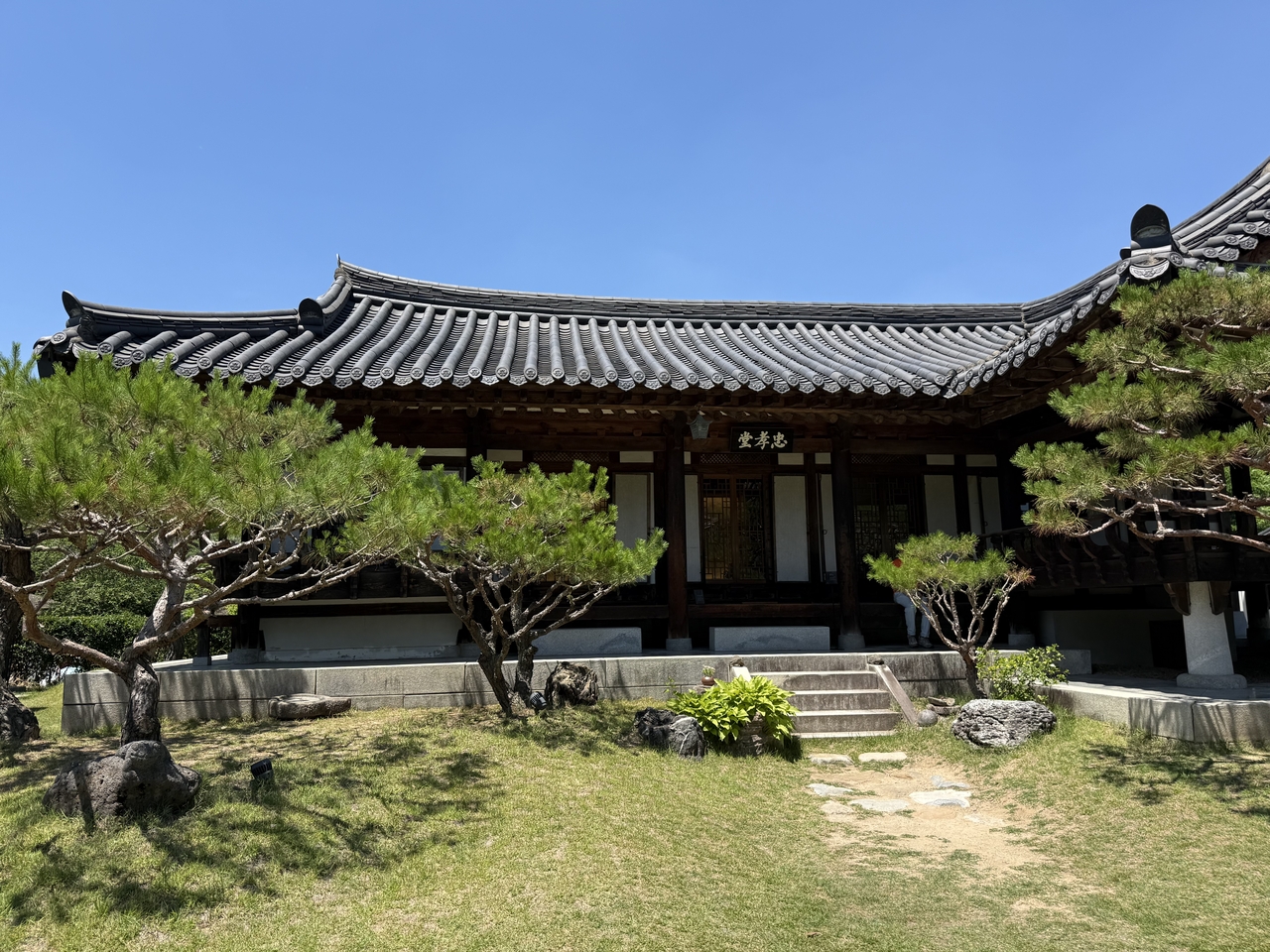
Park Paeng-nyeon's second daughter-in-law, Lady Yi of Seongju, was pregnant at the time and was brought to the Daegu government office as a slave. King Sejo had issued a royal decree ordering that any son she bore be killed immediately. She did give birth to a boy — but fortune intervened. Around the same time, a servant woman had given birth to a daughter, and the two infants were secretly swapped. The servant registered her own daughter as the child of a government slave and raised her in that guise. The boy, hidden and raised through the sacrifice of many, was given the name Park Bi. The loyalty owed to a king had exacted this brutal a price from those who came after.
It was not until the reign of King Seongjong that this dramatic survival came to the attention of the court. The king took pity on the bloodline that had endured so much, bestowed the name "Park Il-san" — meaning "the one precious mountain that remains" — and pardoned his crimes. Historians believe the servant woman's family was also rewarded with freedom from slave status. The village where Park Il-san settled and flourished is the Myogol of today.
"People here don't introduce themselves as members of some branch of the Park clan," the interpreter said. "They say they are 'Myogol Parks.' It is an expression of pride in being descendants of Park Paeng-nyeon, one of the Six Martyrs."
A dream that gathered six loyalists under one roof
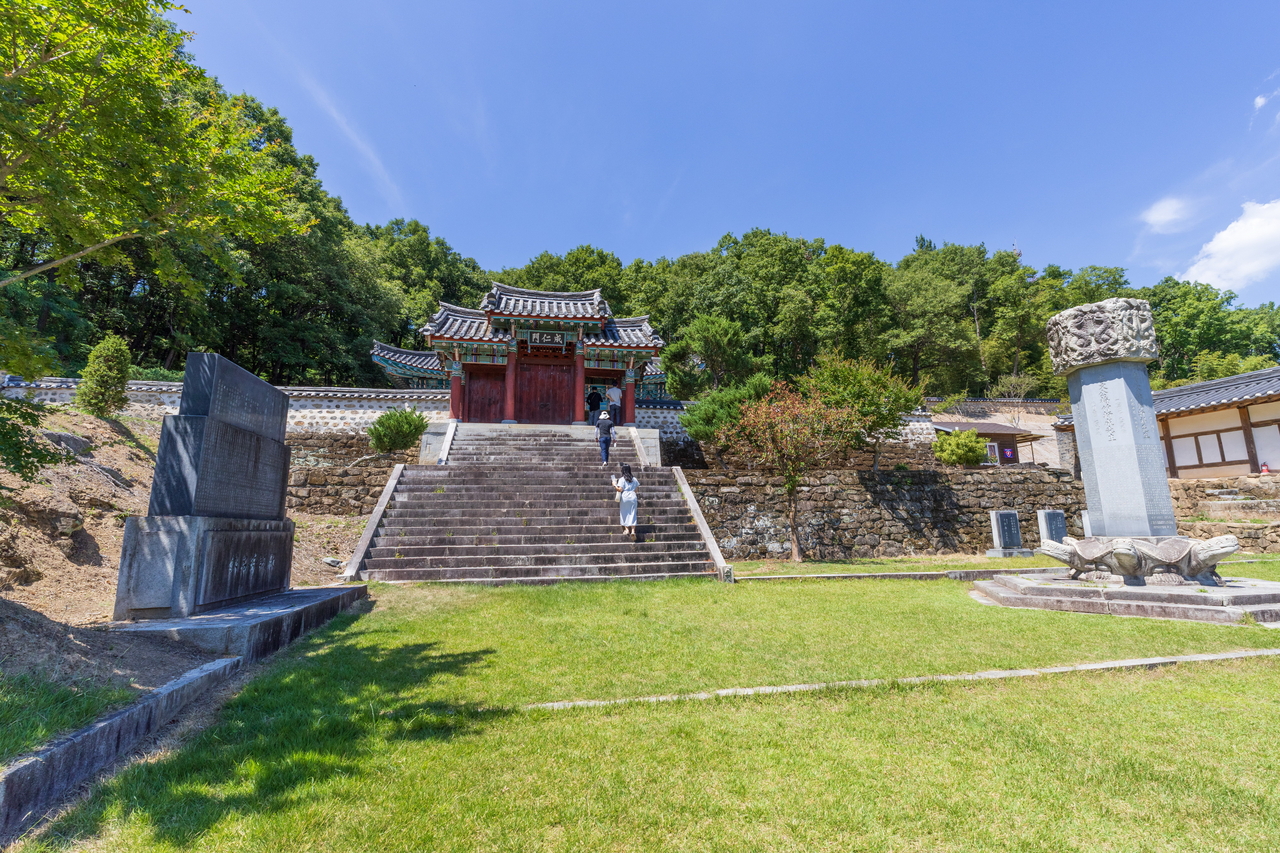
At the highest point of the village stands Yuksinsa, the shrine of the Six Martyrs. Passing through the soaring outer gate, a solemn stillness settles over the body. This is the only place where the spirit tablets of all six loyalists are enshrined together — and the story of how they came to be gathered here is a strange one.
Originally, the shrine was a private family altar dedicated solely to Park Paeng-nyeon, the one martyr who had left descendants. Then, on the eve of an ancestral rite, Park Gye-chang — a fifth-generation descendant of Park Paeng-nyeon — had a dream, and everything changed.
In the dream, Park Gye-chang saw five scholars in blood-stained robes lingering outside the shrine gate. When he asked who they were, they lamented: "Park Paeng-nyeon has descendants to offer him food at the rites, but we have no one." He awoke with a heavy heart. When word of the dream spread, Confucian scholars across the Yeongnam region declared with one voice that since the Six Martyrs had shared their convictions in life, it was only right that they be honored together in death. The spirit tablets of the five were duly enshrined, and rites began to be held for all six. In the 1970s, the shrine complex was expanded and consecrated to its present scale, and it received the name Yuksinsa.
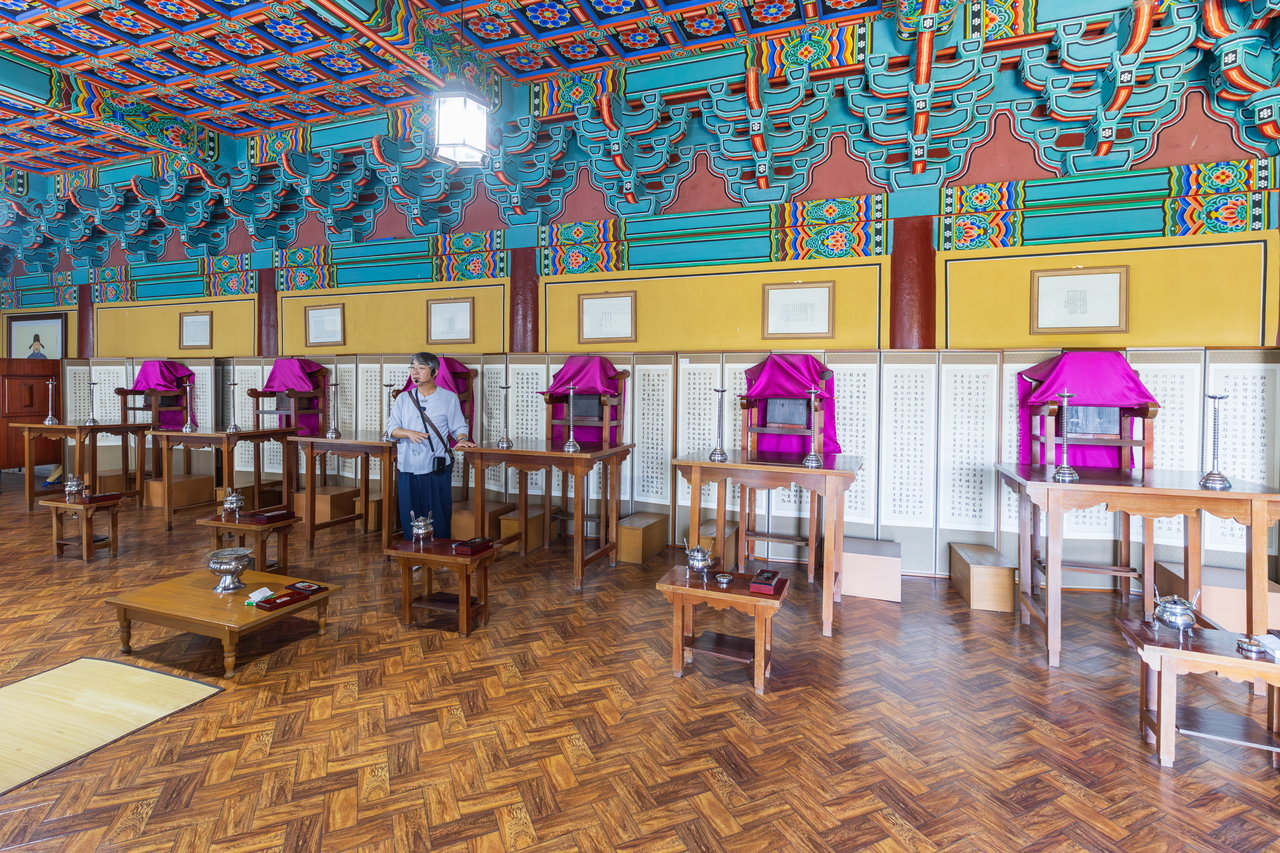
Stepping inside the shrine hall, one comes face to face with six spirit tablets arranged side by side. Five belong to civil officials and Jiphyeonjeon scholars; the sixth, standing alone at the far right, is that of the military officer Yu Eung-bu. The defiance of men who refused to acknowledge Sejo as king even under torture — addressing him only as "my lord" rather than "Your Majesty" — still seems to breathe within these walls. Yu Eung-bu, who reportedly shouted "The iron has gone cold — heat it again!" when a red-hot brand was pressed against him, seems to linger still above the shrine's rooftiles. Their bodies are gone, but their loyalty endures in the memory of all who enter.
Eom Heung-do: the loyalist who defied the law
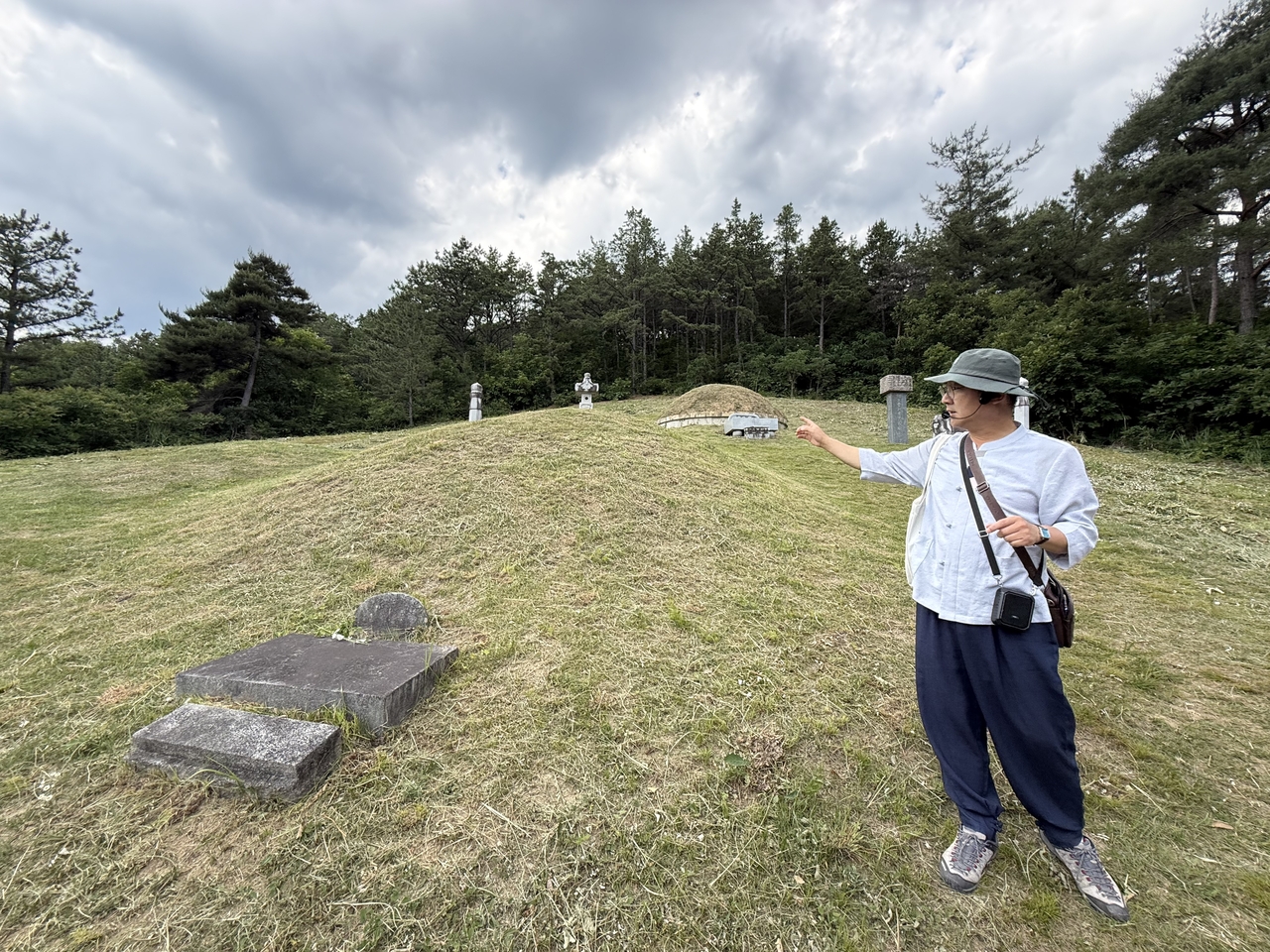
Where, then, does another loyalist of that era — Eom Heung-do — lie at rest? Driving north from Yuksinsa for about an hour, one arrives at Hwabon-ri, Sanseong-myeon, Gunwi-gun, Daegu. On the slopes of Jorimsan here lies the tomb of Eom Heung-do, the man who kept vigil over Danjong's final journey.
As depicted in "The King's Warden," when King Danjong died in exile in Yeongwol in 1457, King Sejo issued a ferocious decree: anyone who collected the body would face the extermination of three generations of kin. While everyone else recoiled in fear and turned away from the corpse, Eom Heung-do — the local magistrate's chief clerk in Yeongwol — declared, "If I suffer for doing what is right, I will accept it gladly," and in the dead of night, together with his son, he gathered Danjong's remains and buried them in secret.
Having broken the law of the land, Eom Heung-do abandoned all his possessions and fled Yeongwol. His life thereafter was swallowed by obscurity. After his death, claims emerged that his tomb existed in several locations — including Yeongwol and Gunwi-gun in Daegu — and the dispute has persisted for generations. Descendants in Gunwi-gun maintain that the tomb on Jorimsan is the "true grave," where his actual remains are interred.
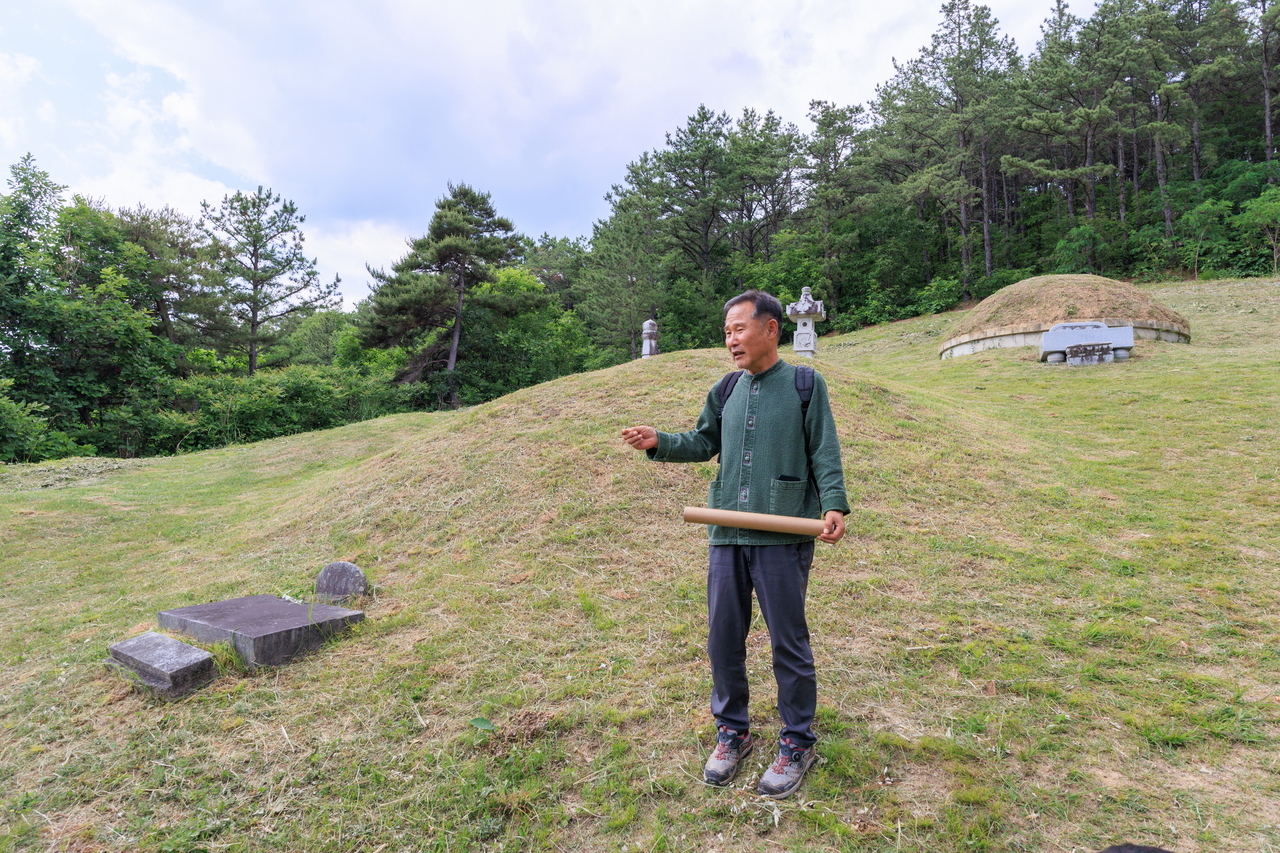
Climbing the steps toward the tomb in Gunwi-gun, five burial mounds come into view among the pine trees. The prevailing theory is that multiple decoy graves were created so that the real one could not be identified — a precaution born of the need to conceal his identity. The old offering stone in front of the mounds bears no inscription. Eom Jong-hun, an 18th-generation direct descendant of Eom Heung-do who was present at the site, pointed to the blank stone and said:
"When our ancestor died in 1474, he was still considered a traitor whose grave could have been desecrated if discovered. That is why no name could be carved on the stone. Our Gunwi clan has tended this place for more than 600 years, exactly as it was handed down to us."
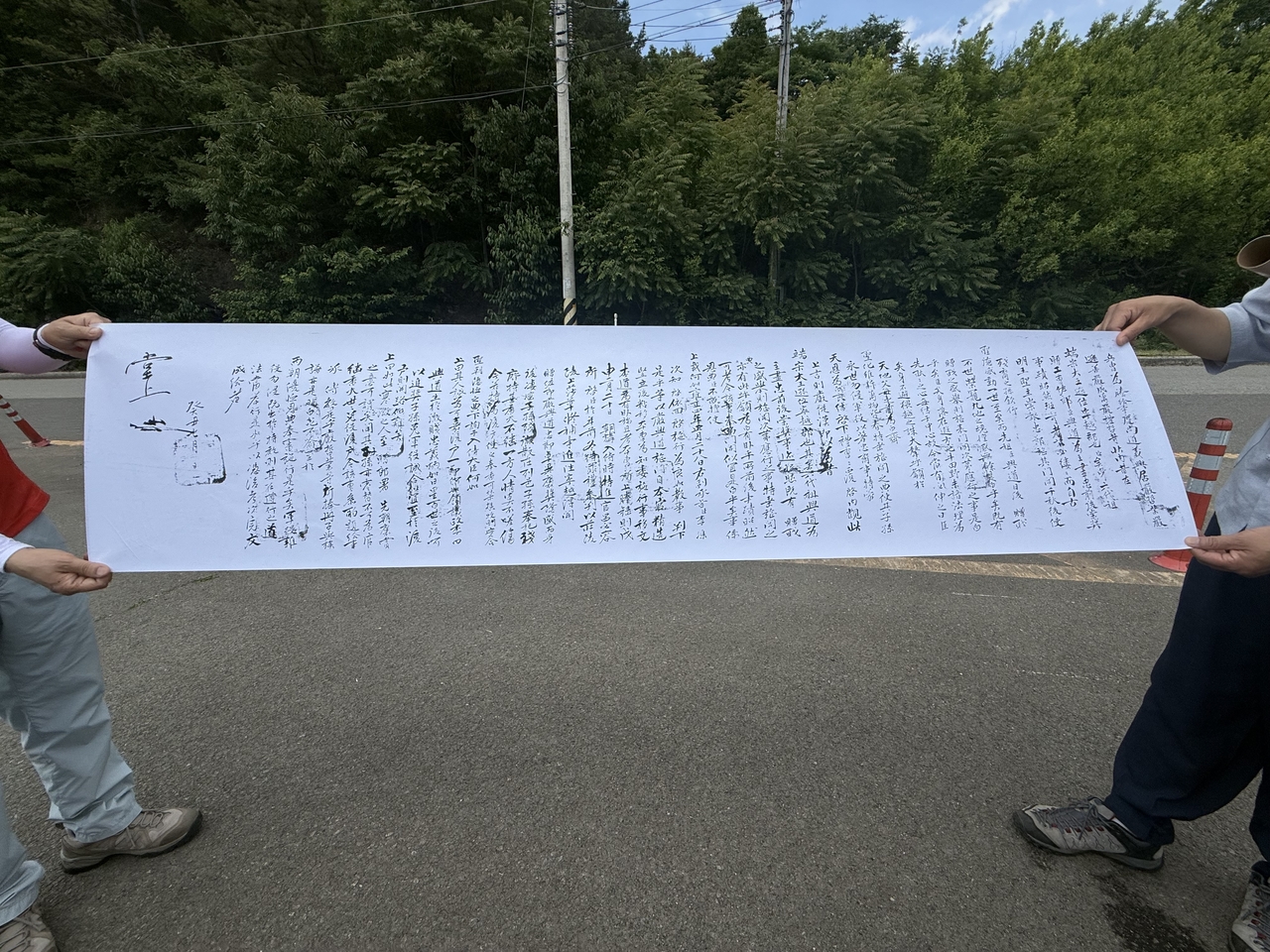
The Gunwi branch of the Yeongwol Eom clan, which claims this as the true grave, presents several pieces of physical evidence. Chief among them is an official document known as a "wanmun," measuring 205 centimeters across, issued by the Ministry of War in 1733, the ninth year of King Yeongjo's reign. The document states that the state officially recognized Eom Heung-do's loyalty and granted his direct descendants a permanent exemption from military service and taxation. The clan regards it as proof both of their direct descent from Eom Heung-do and of their settlement in Gunwi. The document has been guarded so carefully that family lore holds they carried it with them even as refugees during the Korean War, leaving everything else behind.
In a sense, Eom Heung-do is at once a figure of history and a figure still being interpreted today. Eom Jong-hun said he is certain this is the true grave, and that quietly tending the tomb is simply the duty of a descendant.
"I don't want this to look like a mudslinging fight between clans over whose grave is real," he said. "But we have lived for hundreds of years believing this is the true grave. My son will do the same as I have, and we will go on honoring it, generation after generation."
Daegu's cultural awakening
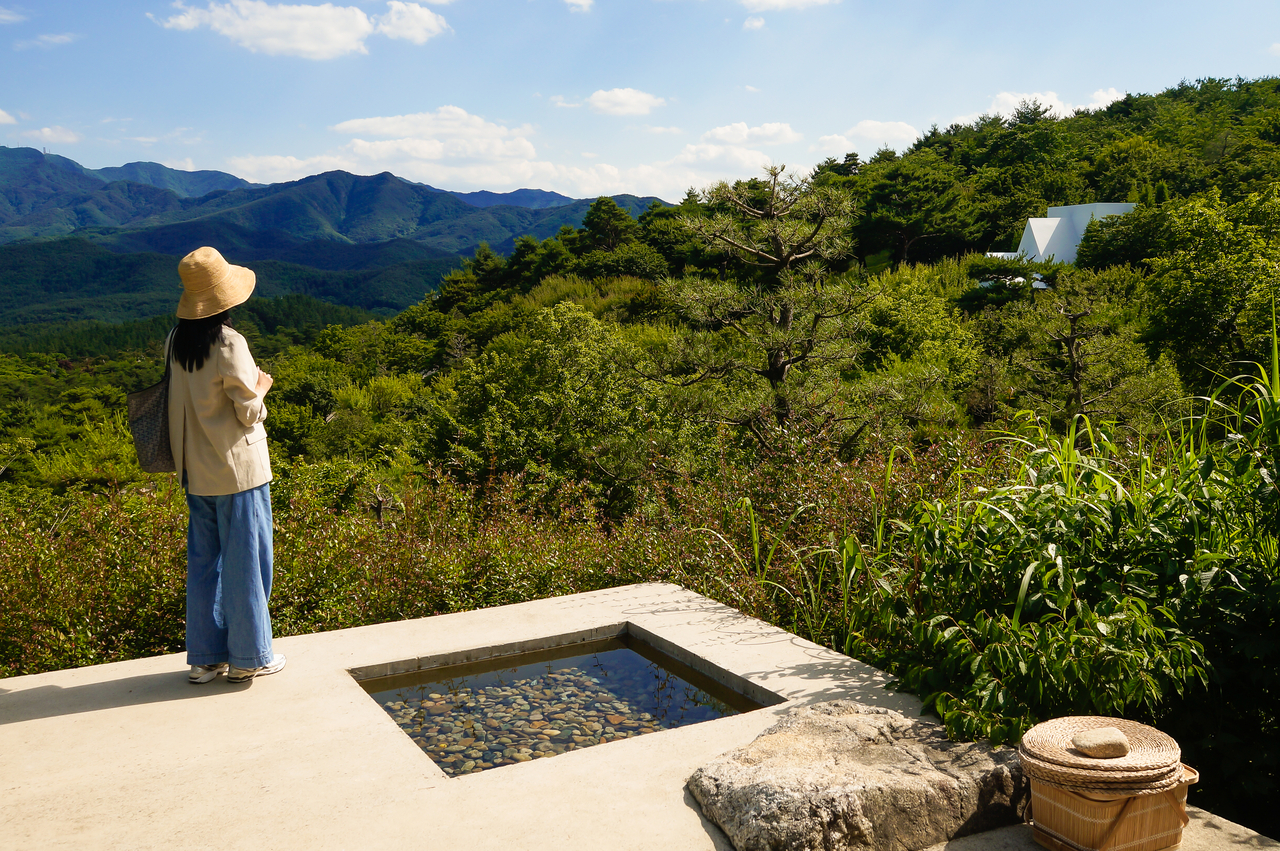
Stepping out of the historical record and into the present, Daegu is undergoing a striking cultural transformation. Two destinations stand out: Sayuwon and the Daegu Gansong Museum of Art.
Not far from the slopes of Jorimsan in Gunwi-gun, at the far edge of Palgongsan, lies Sayuwon — a complex cultural garden where humanity, nature and architecture converge in deep contemplation. Spanning roughly 516,000 square meters (about 156,000 pyeong, where 1 pyeong equals 3.3 square meters), the garden was created by the owner of a steel company who spent more than 30 years collecting trees and stonework. Its foundations took shape when he rescued four centuries-old Chinese quince trees that had been on the verge of being smuggled out to Japan.
Unlike other facilities that seek to draw as many visitors as possible, Sayuwon caps daily admissions at 500 — a deliberate choice that defines the garden's philosophy. Its core principle is the control of density. The garden is designed so that visitors walking its forest paths encounter genuine solitude, undisturbed by others. Founder Yoo Jae-sung, chairman of TC Taechang, said he commissioned experts to calculate "how many people can be inside 100,000 pyeong before a person stops feeling alone" — and the resulting figure became the current admission limit.
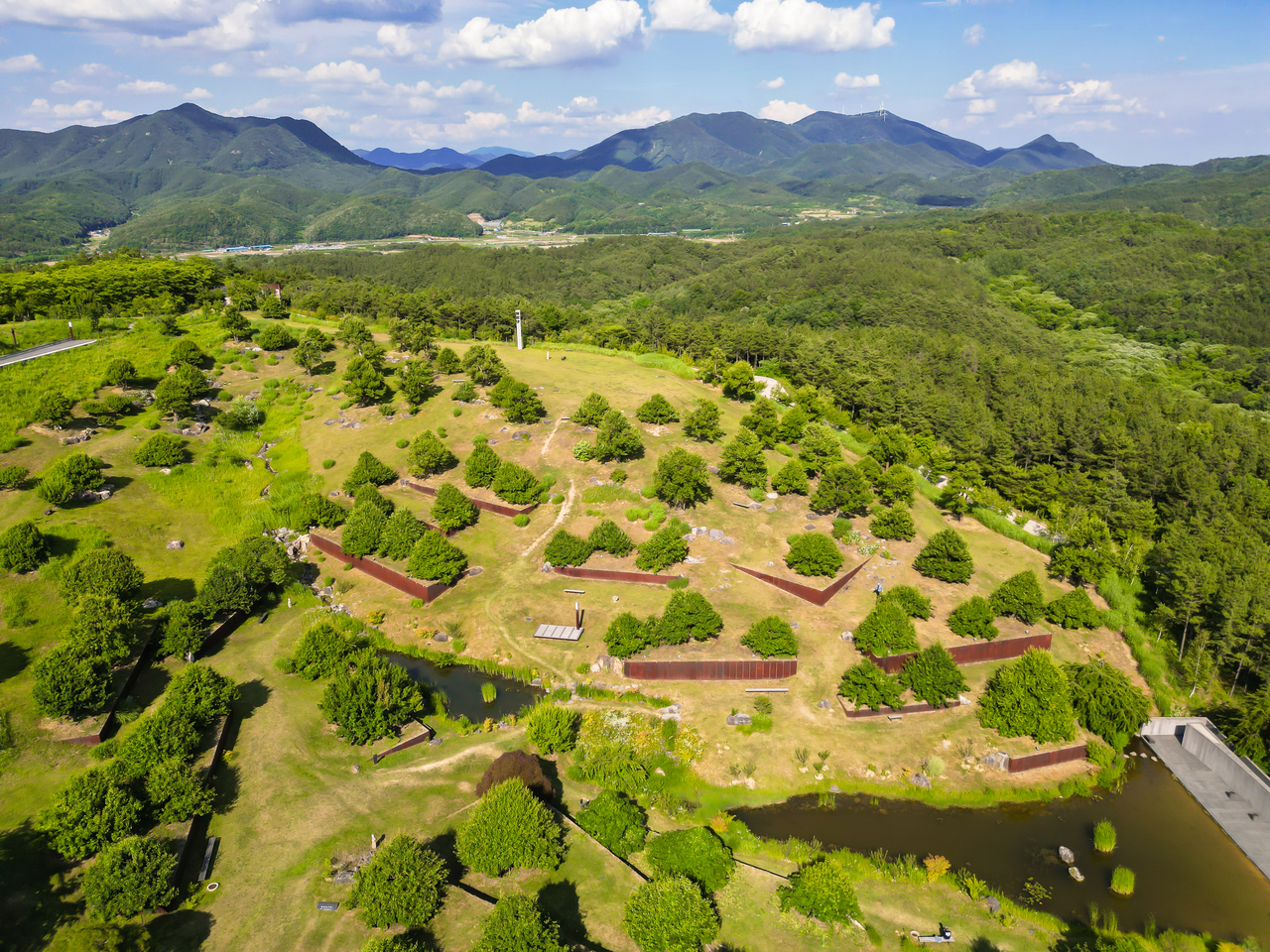
Inside, quiet and negative space govern a landscape built for reflection. The "Pungseol Gicheonnyeon" garden — whose name evokes a millennium of wind and snow — is home to 108 Chinese quince trees ranging from 200 to 600 years old, their roots sunk deep in commanding postures. Each trunk bears the deep scars of wind, rain and snow like medals of endurance; in autumn, they bear yellow fruit that deepens the contemplative mood.
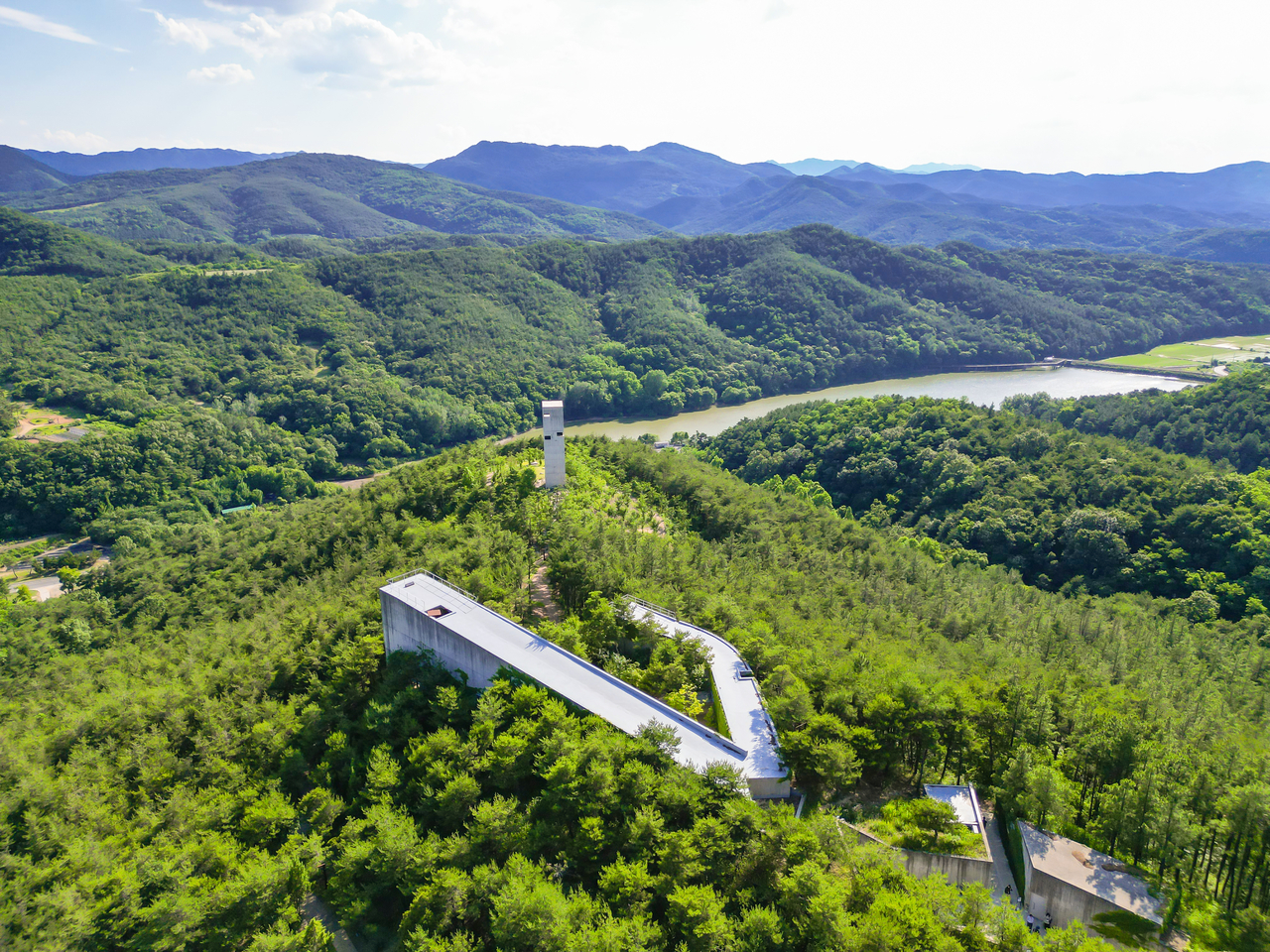
The Soyoheon pavilion and Sodae observatory, designed by world-renowned architect Álvaro Siza, demonstrate how concrete structures can dissolve into the natural landscape without breaking its lines. Across the grounds, 33 architectural works in total — including "Hyeonam," "Sadam" and "Myeongjeong" by Seung Hyo-sang, a master of Korean contemporary architecture — are placed in harmony with nature. Walking along slopes that follow the mountain terrain, phytoncides fill the lungs and cut through the noise of the city in an instant. The trees, stones, water and paths of Sayuwon stand apart yet support one another's silences. Here, "dwelling" feels like a more fitting word than "visiting."
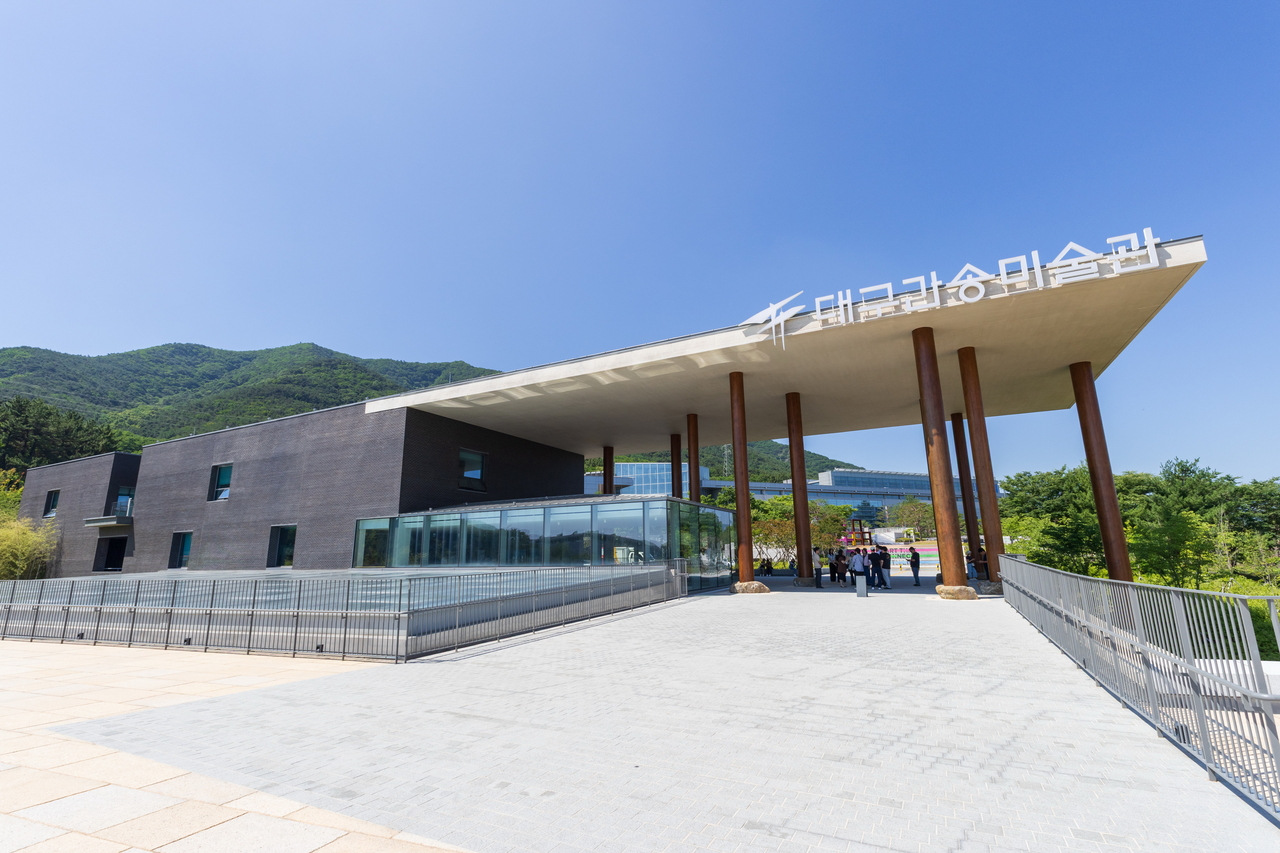
Daegu's other major cultural landmark is the Daegu Gansong Museum of Art. Opened in 2024, it is the only venue where the collection of Gansong Jeon Hyeong-pil can be seen year-round on permanent display. The building cascades down the natural slope of the terrain in a terraced design, aspiring to be "an unadorned vessel for artifacts."
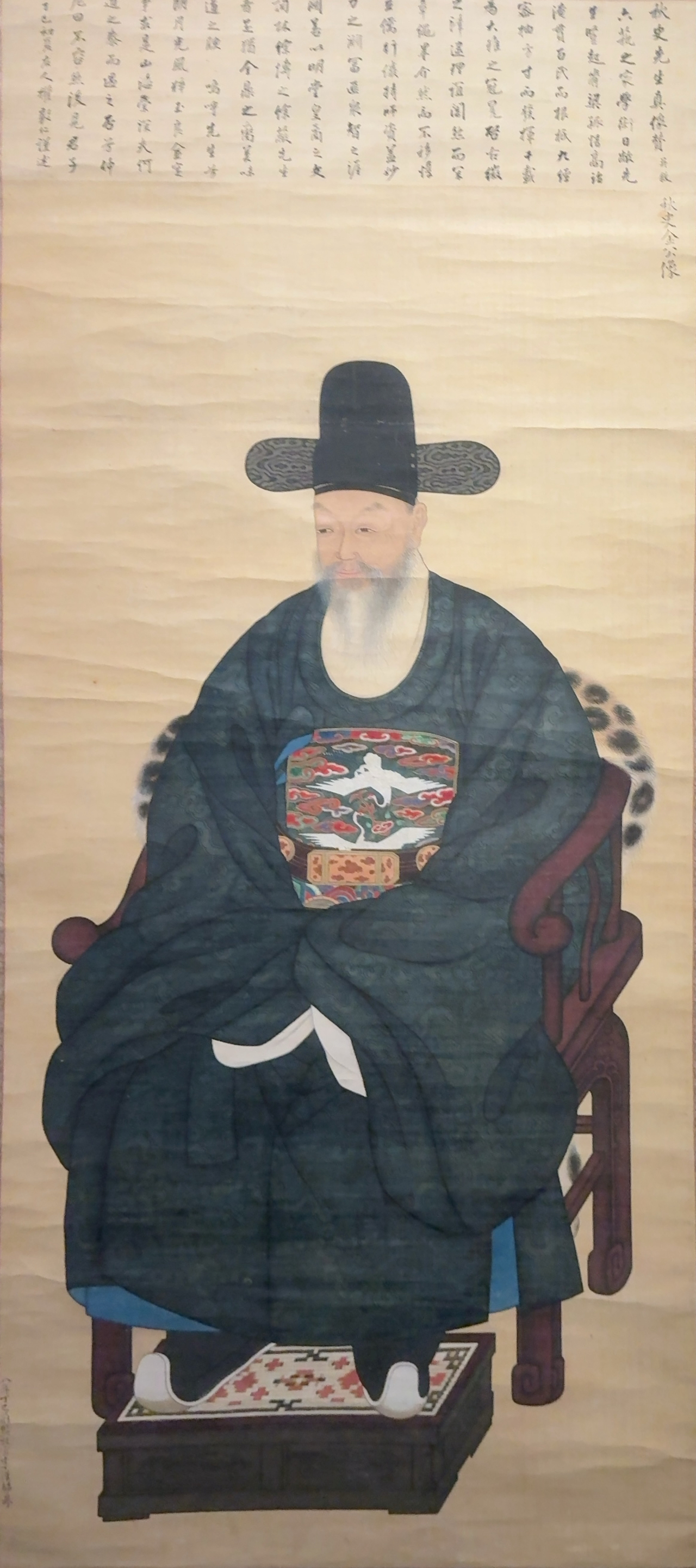
The current special exhibition, "Chusa's Painting Lessons," reexamines the literati painting style of Chusa Kim Jeong-hui and the wide influence he exerted on the 19th-century Joseon art world through the students of commoner origin he trained. Standing before a gathering of Chusa's finest works from his middle years — assembled in one place for the first time — alongside "Buriiseonrando," an orchid painting he completed in his 70s, visitors find themselves rooted to the spot. The orchid, rendered with consummate mastery in ink, touches a plane of Zen transcendence beyond the mundane world, carrying a resonance that crosses time and space.
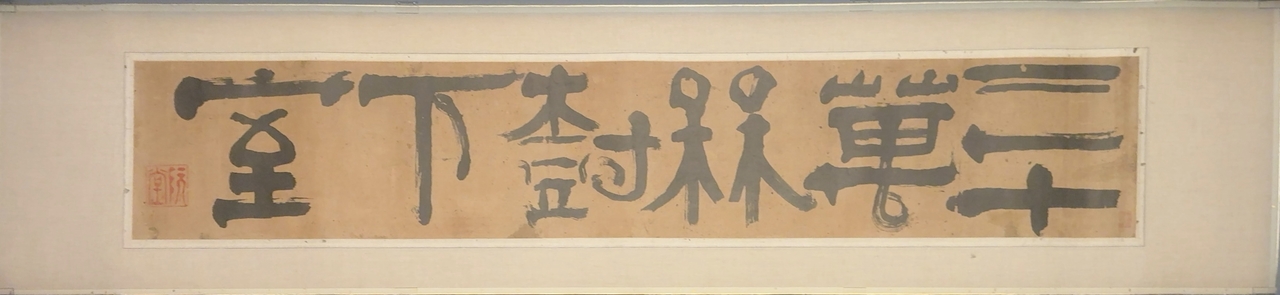
Lee Rang, the curator who organized the exhibition, said Chusa's paintings are normally too scattered across the country to be lent out, making this the first time they have ever been brought together in one space. "The opportunity to see works elevated to the highest plane of artistic achievement all at once runs only through July 5, so visitors should not delay," she said.
terry@heraldcorp.com