KBIZ holds inaugural Environment and ESG Committee meeting
Green finance, K-Taxonomy use on agenda
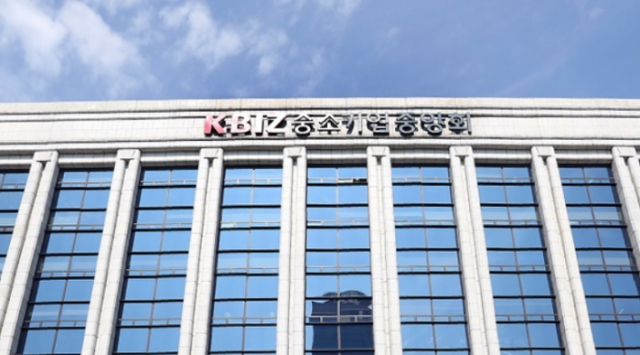
The Korea Federation of Small and Medium-sized Enterprises held its first Environment and ESG Committee meeting of 2026 on Thursday at its headquarters in Yeouido, Seoul, to discuss how small and medium-sized enterprises can navigate environmental regulations and make better use of green finance.
The Environment and ESG Committee was established to help small and medium-sized enterprises spread ESG management practices and strengthen their capacity to respond to environmental regulations. Representatives of industry-specific cooperatives and related organizations, along with sector experts, sit on the committee to discuss policy tasks and current issues.
At the meeting, Kim Hye-ju, a director at Quantified ESG, presented on ESG trends and how small and medium-sized enterprises should respond. She outlined how the evolving ESG regulatory landscape affects smaller companies and said they need to build systematic frameworks for managing ESG data, including carbon emissions tracking.
Cho Ki-suk, head of the green investment support division at the Korea Environmental Industry and Technology Institute, presented on green finance and the K-Taxonomy — South Korea's green classification system — and how small and medium-sized enterprises can use them. She introduced the structure of both and explained key support programs designed to help smaller companies access green financing.
Participants at the roundtable shared difficulties companies face on the ground, including the burden of calculating and managing carbon emissions. Attendees agreed that small and medium-sized enterprises lack adequate conditions to keep pace with the government's carbon neutrality policy and called for separate support tracks tailored to the characteristics of different industries and company sizes.
As large corporations increasingly demand ESG compliance throughout their supply chains, the pressure on smaller firms is growing. Not only exporters but also subcontractors supplying major conglomerates are being asked to provide carbon emissions and other environmental data, making shortages of specialized personnel and funding a central challenge for small and medium-sized enterprises.
Committee chair Lee Sang-hoon said the business environment is changing rapidly amid mandatory ESG disclosure requirements and expanding supply chain due diligence demands. "Only those small and medium-sized enterprises that adapt to the times will ultimately survive the competition," he said, adding that companies must remain alert and continuously strengthen their ESG capabilities alongside substantive government support.
hong@heraldcorp.com