
First MOU revision since Ministry of Climate, Environment and Energy launched last October; update links cooperation to 2035 NDC goals and green investment expansion, with stronger support for developing nations
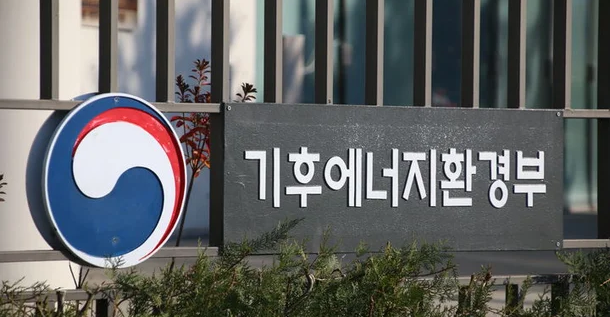
A decade-long cooperation between South Korea and the World Bank in climate and environmental affairs is expanding its scope to include energy transition.
The Ministry of Climate, Environment and Energy said Thursday it would sign a revised memorandum of understanding with the World Bank Group at the Four Points by Sheraton in Yongsan-gu, Seoul, to strengthen cooperation on climate crisis response, water management, the circular economy and energy transition.
The revision builds on cooperation since the original MOU was signed in 2017 between the ministry — then the Ministry of Environment — and the World Bank, and aims to update both the parties involved and the scope of the partnership.
On the institutional side, the partnership has been broadened from the World Bank — encompassing the International Bank for Reconstruction and Development and the International Development Association — to the full World Bank Group, which also includes the International Finance Corporation and the Multilateral Investment Guarantee Agency.
The revision also reflects the ministry's relaunch last October as the Ministry of Climate, Environment and Energy. Cooperation has been extended from climate and environmental affairs to energy transition, and the water sector has been widened from water quality management to integrated water resource management.
The ministry said the update lays the groundwork for translating synergies between climate policy and energy policy into concrete international cooperation.
Under the revised MOU, the two sides agreed to cooperate on sharing information on support plans and cooperation strategies for developing countries, exchanging expert personnel, education, joint research and new cooperative projects, and designing new projects in climate and environmental improvement and energy transition in developing countries.
Oh Il-young, director general for climate and energy policy at the ministry, called the revision "an important turning point in extending existing climate and environmental cooperation to energy transition." He added that the ministry would "actively work to link key domestic policies — covering climate, environment, water management and energy — with the capabilities of the World Bank Group, contributing to the achievement of our nationally determined contribution targets and the green transition."
thlee@heraldcorp.com




