
District cut household waste by 1,943 tons — 3.9% below its 2025 allotment; coffee grounds recycling, price-linked collection system among policies driving results
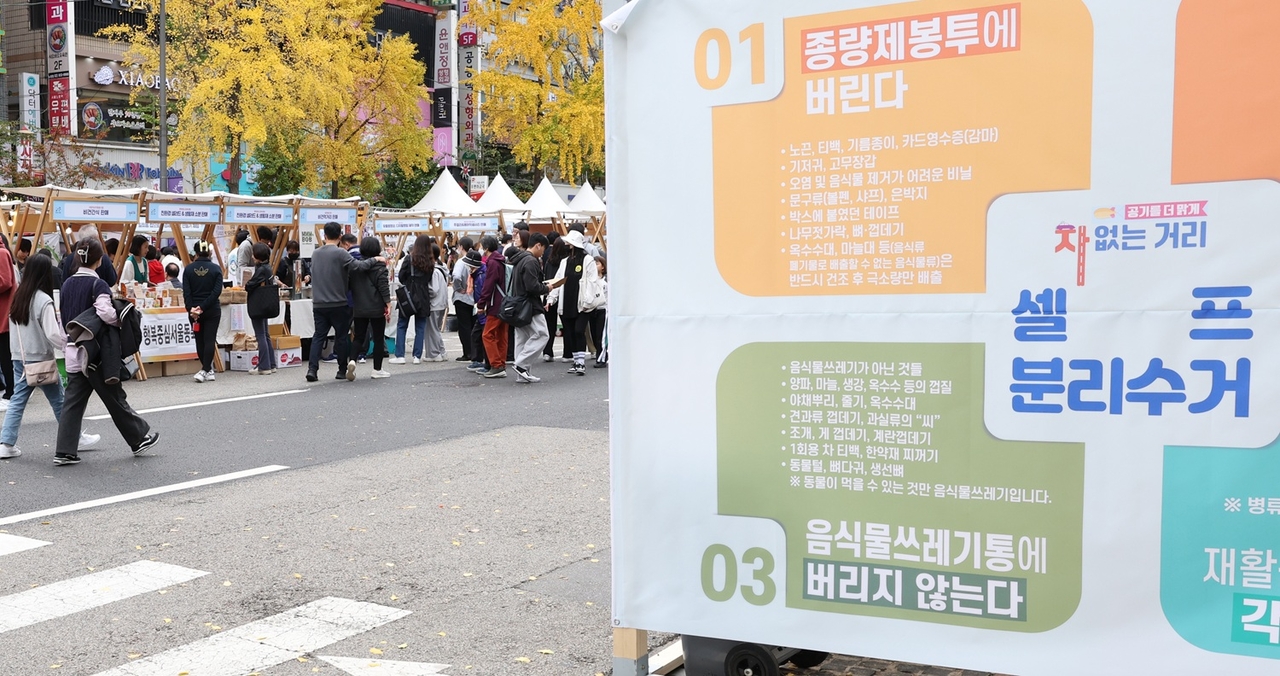
Nowon-gu in Seoul has been named an outstanding district in the Seoul Metropolitan Government's 2025 Household Waste Intake Management System evaluation, securing 210 million won (about $138,000) in incentive funding.
The household waste intake management system sets district-level waste allotments and rewards districts that reduce waste below their targets with incentives, while penalizing those that exceed them. The system aims to support stable operation of resource recovery facilities and reduce the social costs and environmental burden associated with waste processing.
In this year's evaluation, Nowon-gu reduced its household waste intake by 1,943 tons — 3.9% below its allotment of 34,702 tons.
That volume is equivalent to roughly 1,940 one-ton truckloads. District officials credited the result to consistent implementation of resource-circulation policies and active participation by residents.
To cut waste at the source, the district expanded programs to recycle coffee grounds from cafes into compost and horticultural materials, along with a project to recycle discarded fabric scraps from sewing workshops. It also encouraged businesses to handle and process their own commercial waste properly, reducing the volume entering the household waste stream.
The district pushed recycling promotion on multiple fronts as well. It introduced a price-linked collection system for recyclables at apartment complexes to ensure smooth pickup by collection companies, and expanded separate-collection programs for used clothing, clear PET bottles and waste vinyl — all aimed at raising the overall recycling rate.
Sustained public outreach and on-site guidance campaigns helped embed a culture of resource circulation in daily life. The combination of administrative effort and resident participation allowed the district to achieve both goals at the same time: reducing household waste and boosting recycling.
The incentive funds will be used to offset household waste processing costs and fees for using Seoul's resource recovery facilities, easing the district's fiscal burden and supporting more stable waste management operations going forward.
"This achievement is thanks to our residents, who embraced proper waste sorting and resource-circulation practices," district Mayor Oh Seung-rok said. "We will continue working to reduce household waste and promote recycling as we build Nowon into a sustainable resource-circulation city."
seouldream01@heraldcorp.com




