
Alibaba, BYD among 188 firms on updated Section 1260H list; global biotech supply chain braces for upheaval as December Biosecurity Act deadline looms
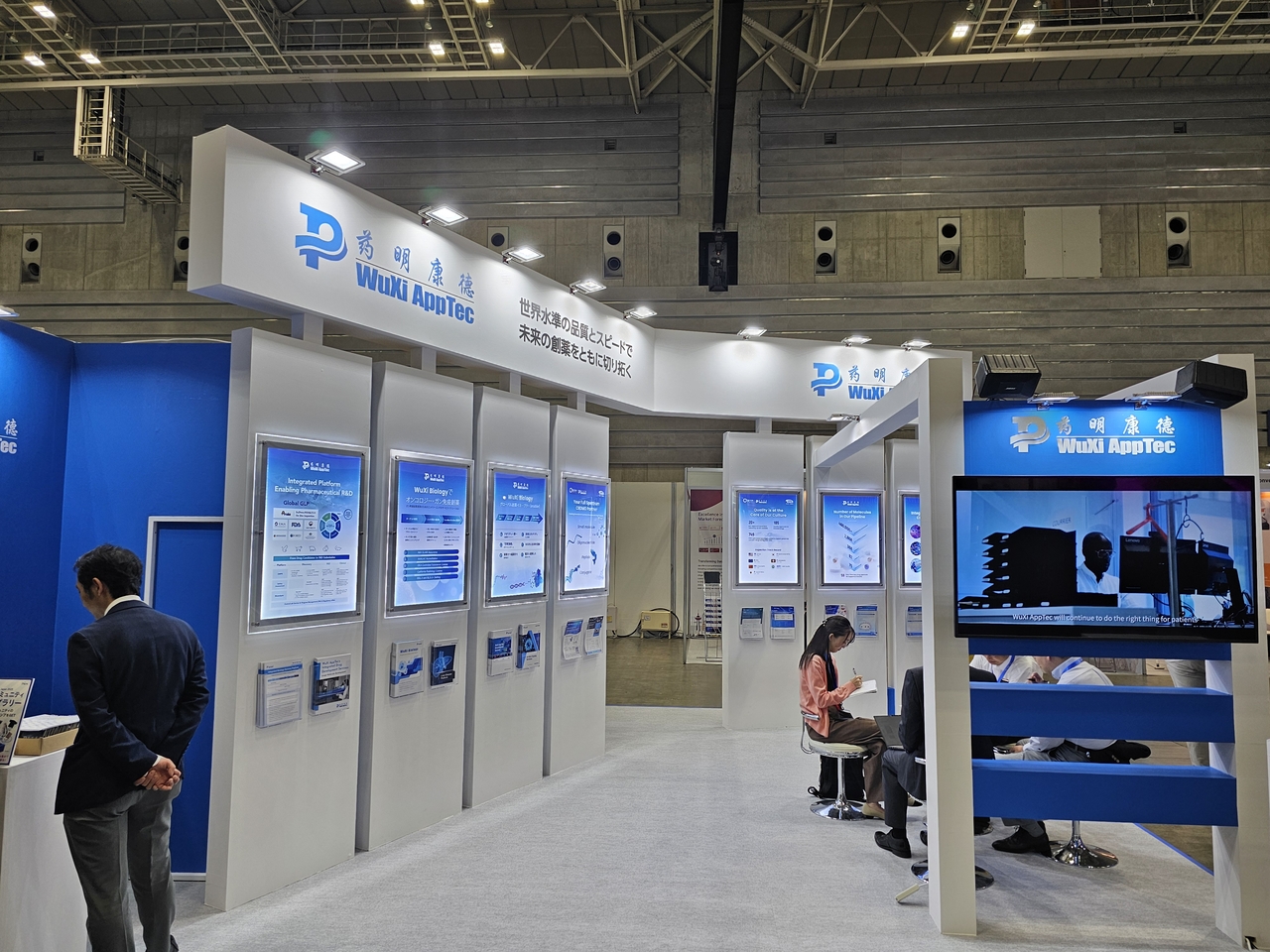
The US government has officially designated WuXi AppTec, China's largest contract development and manufacturing organization (CDMO), and genomics giant BGI Group as "Chinese military companies."
The move significantly raises the likelihood that both firms will be among the first named to the list of companies of concern under the US Biosecurity Act, set to take effect later this year, signaling a sweeping realignment of the global biotech supply chain.
The Pentagon published an updated list of 188 "Chinese military companies" operating directly or indirectly in the United States on Monday, citing Section 1260H of the National Defense Authorization Act (NDAA).
"Pursuant to the legal requirements of Section 1260H of the Fiscal Year 2021 NDAA, the Department of Defense has published an updated version of the list of Chinese military companies operating directly or indirectly in the United States in the Federal Register," the department said. "Following thorough due diligence, 188 entities were ultimately identified as meeting the legal criteria."
The blacklist includes e-commerce giant Alibaba, China's largest search engine Baidu, and the world's largest electric vehicle manufacturer BYD, alongside key biotech players BGI Group and WuXi AppTec.
The detailed identification list states that BGI Group, its genomics equipment subsidiary MGI Tech, and Novogene are closely linked to the People's Liberation Army (PLA) and the Ministry of Science and ICT (MIIT), contributing to civil-military fusion.
WuXi AppTec — which conducts frequent business with domestic pharmaceutical and biotech companies — was also cited as being closely connected to the PLA and the State Administration for Science, Technology and Industry for National Defense (SASTIND) through indirect ownership by China's State-owned Assets Supervision and Administration Commission (SASAC).
WuXi AppTec immediately pushed back against the designation and said it would pursue legal action. According to the South China Morning Post, a company spokesperson said the firm had "confirmed that the US Department of Defense erroneously included WuXi AppTec" in the updated list, adding that the company "does not meet the legal criteria for designation" and dismissed claims of ties to the Chinese military, the defense industrial base, or civil-military fusion programs as false. The company said it would file a formal lawsuit in US court "to correct this decision."
Industry observers say the Section 1260H listing is effectively a preliminary exclusion list ahead of the Biosecurity Act, which is expected to hit the global biotech sector in the second half of this year.
The Biosecurity Act, passed as part of the NDAA in December last year, bars US government agencies from procuring equipment or services from, or awarding contracts or subsidies to, companies designated as "biotechnology companies of concern." Under the law's provisions, biotech firms on the Pentagon's Section 1260H list are highly likely to be automatically included as the first companies of concern under the Biosecurity Act.
All eyes are now on the final list of "biotechnology companies of concern" that the Office of Management and Budget (OMB) is required to publish by December — within one year of the law taking effect.
A key question is whether WuXi Biologics — WuXi AppTec's former biologics unit, spun off and separately listed in 2017 — will also fall under the regulatory net. The Biosecurity Act explicitly covers not only the parent company of a designated entity but also its affiliates, subsidiaries, and successor companies.
Should the WuXi Group's exclusion become a reality — despite its extensive lobbying of the US Congress and continued presence among its client base — South Korean CDMO companies are widely expected to benefit. Companies that previously contracted with the WuXi Group are likely to face disruptions, with analysts forecasting significant ripple effects across the global supply chain.
"If genomics and pharmaceutical CDMO companies are designated as biotechnology companies of concern under the Biosecurity Act, which is expected to be announced this year, it will cause significant disruption not only to existing contractual relationships but also to the broader supply chain," the Korea Biotechnology Industry Organization's Bio-Economy Research Center said.
silverpaper@heraldcorp.com




