
Government reviews long-term holding deduction, integrated redesign of acquisition, property and capital gains taxes; fair market value ratio hike also on the table
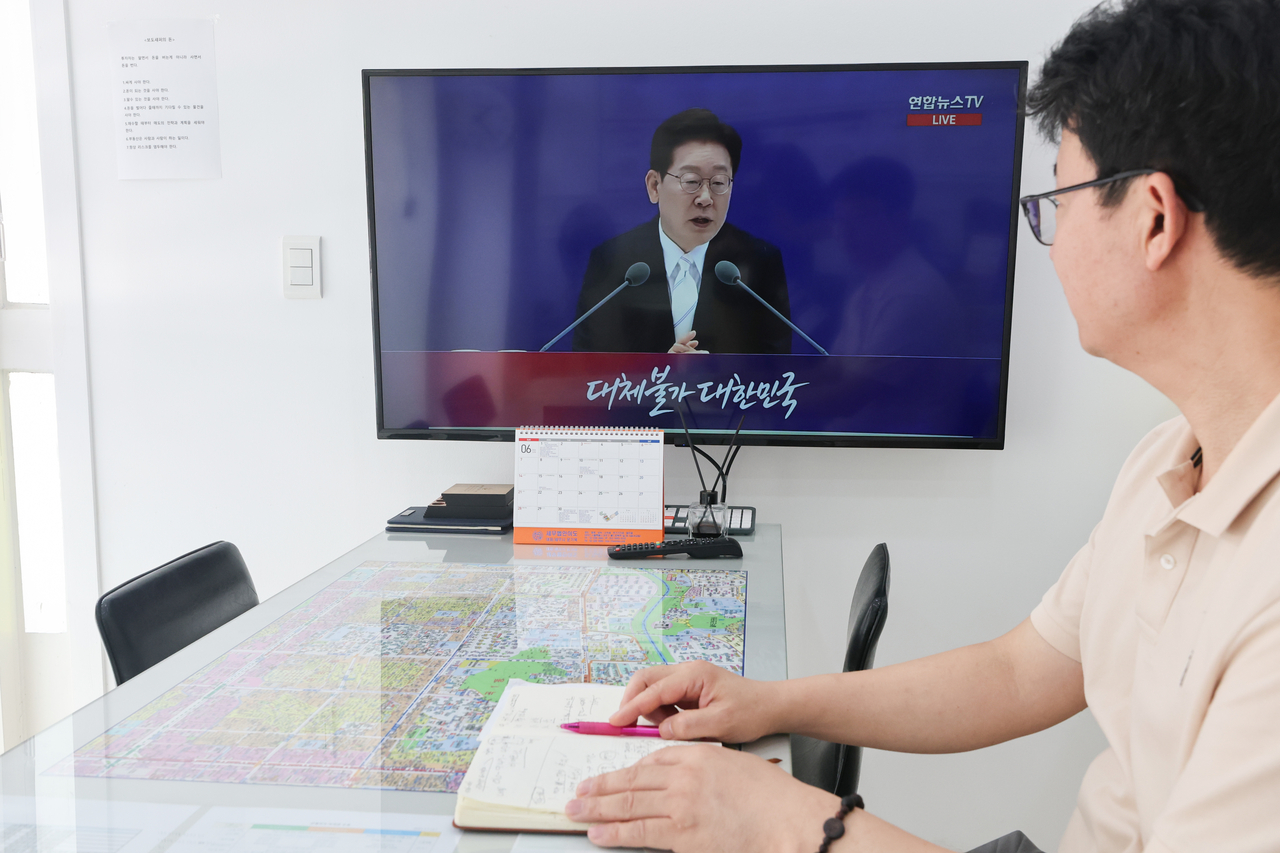
The government is reviewing a sweeping overhaul of real estate taxation that would center the system on owner-occupiers. The redesign would assess the total tax burden across the full lifecycle of a home — from acquisition through ownership to sale — with the likely outcome of easing taxes for those who actually live in their properties while tightening levies on investment-driven holdings.
According to related ministries Tuesday, the government is examining a plan to revamp the acquisition tax, property tax and capital gains tax frameworks together, using a homeowner's overall tax burden as the guiding benchmark. The aim is to move away from piecemeal adjustments to individual taxes and instead redesign the entire system by taking into account housing ownership patterns and transaction behavior.
At the heart of the overhaul is the "owner-occupier principle" that President Lee Jae Myung has championed. The direction under discussion, according to sources, would reduce the tax burden on single-home owner-occupiers while improving tax equity for multi-home holders and those who own property for investment purposes.
Capital gains tax is the area most prominently under consideration. The government is reviewing changes to the long-term holding special deduction currently available to single-home households. Under the existing system, deductions of up to 40 percent each are granted based on the length of ownership and the length of actual residence, for a combined maximum of 80 percent.
The government is looking at scaling back or eliminating the portion of the deduction tied purely to how long a property has been held, while expanding the share linked to actual years of residence. The intent is to create a sharper tax difference based on whether the owner genuinely lives in the home.
A property tax overhaul is also expected to proceed in tandem. Adjustments to the tax base brackets for property tax and the comprehensive real estate holding tax, as well as rate changes, are under review. Raising the fair market value ratio — which the government can adjust through a presidential decree amendment without going through the National Assembly — is also cited as a strong option.
The fair market value ratio currently stands at 60 percent. Raising it would expand the taxable base without a formal rate increase, in effect producing a higher property tax burden. The adjustment requires no legislative action, making it an attractive policy tool, officials say.
Acquisition tax is also being reconsidered as part of the broader structural review, in coordination with property and capital gains taxes. The government intends to improve the coherence of the overall tax system by weighing the burden at the point of purchase alongside levies at the ownership and disposal stages.
The government plans to set the basic direction of its tax law amendment by the end of this month, drawing on the results of an ongoing research project on real estate tax rationalization. However, specific rates, deduction levels and other details are expected to be finalized only after further review and public deliberation.
"We are currently at the stage of designing the broad framework for how to close the gap between the existing tax burden and our policy goals," a government official said. "The specific measures will be determined through future discussions."
fact0514@heraldcorp.com




