
Five cities and counties selected, including Mokpo, Gurye-gun and Gangjin-gun, as province expands residency-based population policy
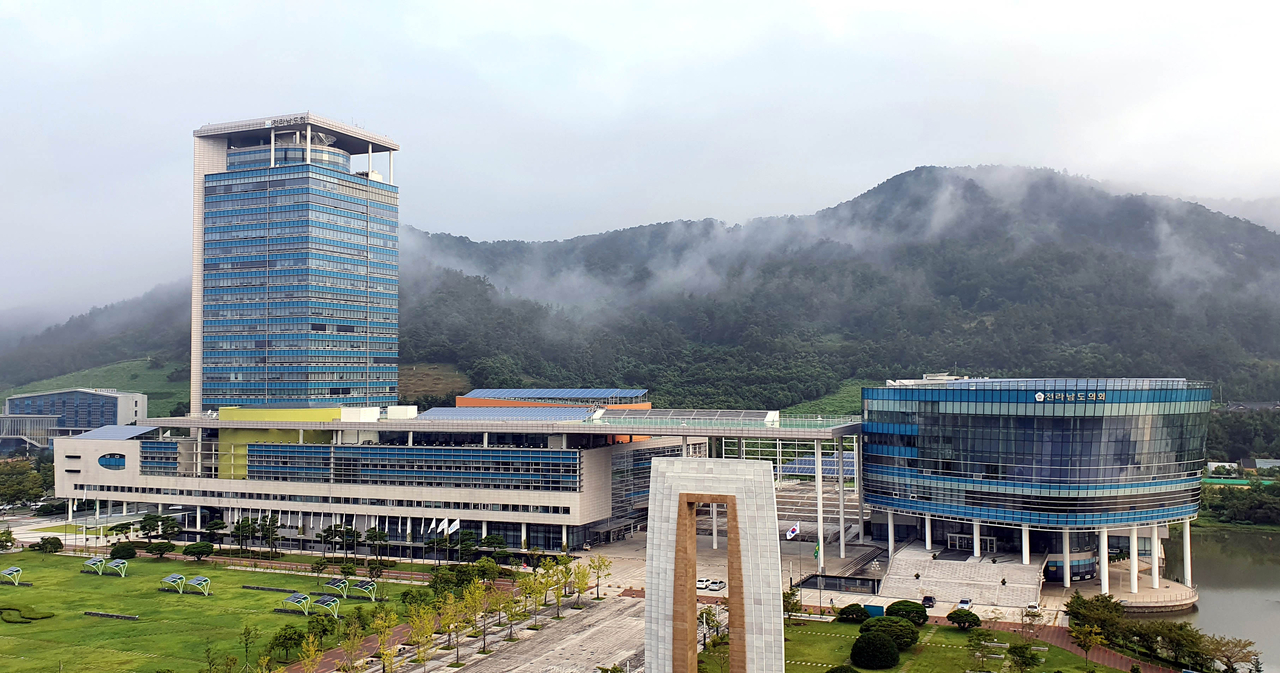
South Jeolla Province is rolling out its 2026 "Living Population Growth Project" to counter accelerating rural depopulation driven by low birth rates, an aging society and the continued concentration of people in the Greater Seoul area. The initiative aims to spread a new population policy model centered on extended stays, community ties and repeat visits.
The project is designed to complement policies focused solely on registered residents by expanding the so-called "living population" — people who spend time in a region, consume goods and services and build local relationships — as a way to inject new vitality into communities. The province is emphasizing locally tailored living-population models that reflect each city and county's own resources and conditions, with the goal of spreading successful cases province-wide.
South Jeolla Province held an open competition among its 22 cities and counties, selecting five after document and presentation reviews. The total project budget is 360 million won (about $260,000), with 108 million won ($78,000) coming from provincial funds and 252 million won from the participating cities and counties.
The five selected projects are Mokpo's "Half-Price Run Trip," a run-and-travel program combining tourism and sport; Gurye-gun's "Return-to-Farm 4-Step Living Stay," a staged program guiding urban residents from their first visit through settlement; Gangjin-gun's "Want to Try Living in Gangjin?"; Muan-gun's "Muan Tidal Flat Land Living Population Growth Project"; and Jindo-gun's "Just Go Ahead and Try Jindo! (One Night, Two Days in Jindo)."
The project types were tailored to each area's distinct character. Mokpo will use tourism-and-sports content to attract younger visitors for extended stays, while Gurye-gun will run a step-by-step program linking farm-life experiences with permanent resettlement support.
Gangjin-gun will pursue a living-population model built around local experiences and resident exchanges, and Muan-gun will promote tourism and local spending through family-oriented stay programs. Jindo-gun plans to drive repeat visits through experiential programs amplified by social media content.
Through the initiative, the province aims to build a virtuous cycle that goes beyond simple tourism — increasing the time visitors spend in the region, boosting local consumption, fostering ties with residents and communities, and ultimately converting repeat visitors into permanent settlers.
The province focused particularly on identifying diverse living-population models — including community-building programs, work-and-leisure combinations and promotional content formats — to strengthen policy effectiveness. During the selection process, evaluators placed heavy weight on each project's sustainability, its potential to grow the living population and its broader impact on the local economy. Reviewers also provided specific improvement recommendations for each project to be incorporated into final plans.
"The living population is not simply visitors — they are the core engine of regional vitality, people who build relationships with a community and keep coming back," said Yun Yeon-hwa, director of South Jeolla Province's Population, Youth and Immigration Bureau. "We will continue expanding residency- and relationship-based population policies in connection with the integrated South Jeolla-Gwangju living zone, and we will spread successful models to all cities and counties across the province."
kkm9971@heraldcorp.com




