
Prolonged closure of the Strait of Hormuz could destabilize supply chains and push up logistics costs
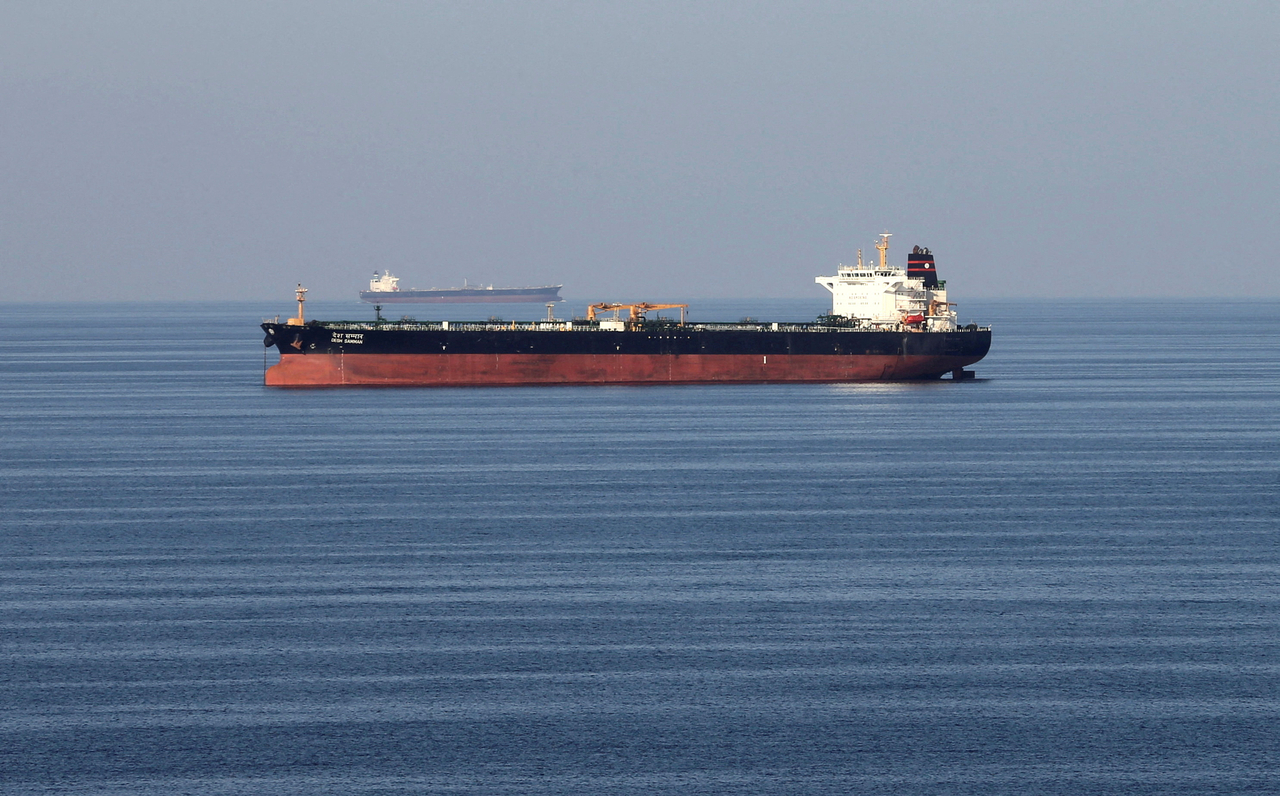
As the war involving the United States, Israel and Iran threatens to expand into a broader Middle East conflict, South Korean construction companies face growing uncertainty over cost management. A prolonged blockade of the Strait of Hormuz — the critical maritime chokepoint for crude oil shipments — could drive up not only global oil prices but also logistics costs and raw material prices. Industry observers warn that if geopolitical risks compound an already heavy construction cost burden driven by high inflation and rising labor costs, the damage could extend beyond company profitability to disrupt housing supply.
Construction industry officials said Tuesday they are closely monitoring the possibility of a protracted military confrontation between the United States and Iran, given the direct and indirect exposure South Korean construction companies have to oil price movements. A sustained blockade of the Strait of Hormuz — the maritime corridor through which crude oil and gas from Middle Eastern producers flow to Asia and Europe — would inevitably send production and transportation costs for key construction materials such as asphalt, cement and steel sharply higher, they said.
The Strait of Hormuz is a strategic chokepoint connecting major oil-producing nations — Saudi Arabia, Iran, Iraq and the United Arab Emirates — to the Gulf of Oman and the Arabian Sea, with roughly 20 percent of the world's daily oil consumption passing through it. After Iran threatened Monday local time to completely seal off the strait and set fire to any vessel attempting to pass, international crude prices — West Texas Intermediate for delivery — briefly surged 12 percent to $75.33 per barrel during trading.
Adding to the alarm, Gulf states including the UAE, Qatar and Bahrain — which have become targets of Iranian strikes following U.S. airstrikes on Iran — have signaled a military response, raising the prospect that the geopolitical crisis could drag on as a full-scale regional war.
A prolonged period of rising oil prices would deal a direct blow to the construction sector. Asphalt and cement prices, which are closely tied to crude oil through the refining process, are expected to rise particularly sharply, adding to construction cost pressures.
According to the Korea Construction Industry Institute, a 60 percent increase in oil prices would raise building production costs by 1.5 percent and general civil engineering facility costs by as much as 3 percent. During the 2021–2022 period, when supply chains seized up in the wake of the Russia-Ukraine war, the Public Procurement Service's facility materials price index climbed 4.03 percent in the first half of 2021 and 7.12 percent in the second half. The increases continued into 2022, with the index rising 4.35 percent in the first half and a steep 10.27 percent in the second.
"Trade disruptions caused by the war could push raw material prices higher," said Lee Ji-hye, a research fellow at the Korea Construction Industry Institute. "Normally, high oil prices actually boost construction activity in the Middle East and benefit overseas contractors, but when prices rise because of war — as they are now — the only effect is higher raw material costs, which is purely negative."
Construction companies were already grappling with steadily rising costs well before the latest Middle East geopolitical risks emerged. An official at a major construction company said the industry had felt the full force of the Russia-Ukraine war and warned that a prolonged Middle East conflict would similarly push up construction costs. "We are watching the situation closely," the official said.
The Korea Institute of Civil Engineering and Building Technology's Construction Cost Management Center reported that its construction cost index reached 133.28 in January — the highest level since the index was first compiled. Should costs continue to climb, the industry expects not only higher pre-sale prices but also a surge in disputes at project sites.
Conflicts between construction companies and housing associations over costs are already surfacing at major reconstruction projects. If cost increase disputes intensify and pre-sale price pressures mount, the housing supply schedules that builders have planned could face significant delays.
Earlier this year, dissenting association members opposed to rising cost contributions voted down a revised management and disposal plan at the "DH Daechi Edelui" reconstruction project in Daechi-dong, Gangnam-gu, Seoul, sending a 170 billion won (about $118 million) project financing deal into default. The Sinbanpo 21st-cha reconstruction project in Seocho-gu is also facing delayed move-ins as the housing association and contractor remain at odds over construction cost increases.
Son Tae-hong, head of the construction technology and management research division at the Korea Construction Industry Institute, said oil's role as a raw material — rather than a finished product — means its price ripples through the intermediate goods made from it. "If prices climb above $100 per barrel and high oil prices persist, it will affect domestic construction costs as well," he said.
hwshin@heraldcorp.com
quq@heraldcorp.com




