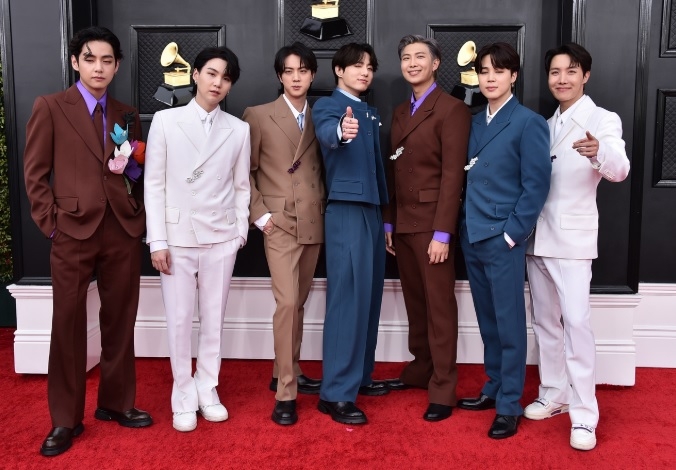
A surge in cartel violence following the killing of Mexico's most wanted drug lord has raised serious security concerns, casting a shadow over a string of high-profile events this year — including a BTS concert and the North American World Cup. The ability of President Claudia Sheinbaum's administration to maintain order and host major international events is now squarely on the line.
Since the government killed Nemesio Oseguera, known as "El Mencho," in a special forces operation on Jan. 23, the Jalisco New Generation Cartel (CJNG) he once led has mounted fierce armed resistance. Cartel members armed with heavy weapons have blocked roads, set vehicles and buildings on fire, and attacked military facilities across Jalisco — the cartel's main stronghold — as well as in Nayarit, Michoacan, Puebla and Tamaulipas.
As security concerns grew, the Mexican government said it was doing everything in its power to restore stability. The Ministry of Foreign Affairs issued a statement on Feb. 24 saying it had briefed foreign governments on the operations carried out by Mexican security forces and subsequent measures, both through the diplomatic corps in Mexico and through Mexican embassies abroad.
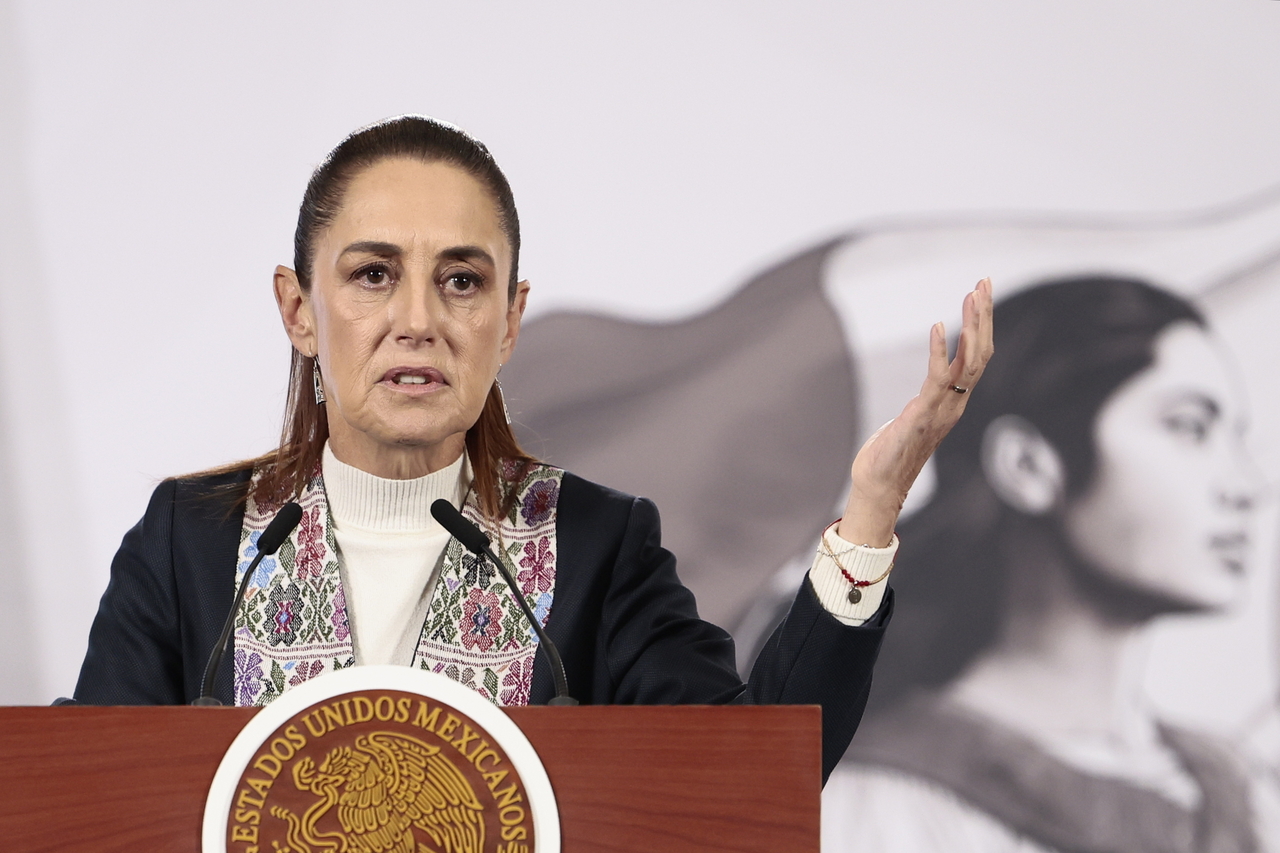
The stakes are particularly high this year, as Mexico co-hosts the North American World Cup with the United States and Canada from June through July. Sheinbaum said at her regular morning news conference that day that her government was working to suppress cartel resistance across Jalisco, and pledged to "guarantee complete safety" for World Cup matches in June.
A month before the World Cup kicks off, BTS is also scheduled to perform in Mexico. Some fans eagerly awaiting the concert have begun voicing concerns about safety.
The BTS concert faces a somewhat different set of circumstances than the World Cup — most notably, the venue is physically far from the epicenter of the violence.
World Cup matches in Mexico will be held in Mexico City, Guadalajara in Jalisco state, and Monterrey in Nuevo Leon state. Guadalajara is of particular concern for South Korea, which is in the same group — Group A — as Mexico, and plans to set up its base camp there.
Guadalajara sits at the heart of the cartel's retaliatory violence. The site where El Mencho was killed is roughly 60 miles (about 100 kilometers) from the World Cup stadium there. Sheinbaum said "there is no risk whatsoever" for soccer fans visiting Guadalajara for the matches, but how the leaderless remnants of the CJNG will act remains difficult to predict.
The BTS concert will be held at a greater distance from the states where the violence has been most intense. The venue, Estadio GNP Seguros, is a large arena on the eastern edge of Mexico City near the international airport — about 460 kilometers from Guadalajara in Jalisco, roughly 346 kilometers by road from Guanajuato, and about 270 kilometers as the crow flies from the western coastal state of Michoacan, another flashpoint.
Still, some observers warn that cartel retaliation has not been confined to any single region and could erupt in unpredictable ways. The CJNG simultaneously blocked more than 100 roads and set fire to vehicles and shops across multiple locations. That pattern makes it difficult to pinpoint a single danger zone and could paralyze urban infrastructure — including transportation — in ways that would make it hard to guarantee safety at a large, crowded event.
Even setting aside the cartel threat, Mexico City is not without its own security concerns. While it is generally considered safer than western coastal areas for tourists, kidnappings and robberies have long been a worry, and large crowds near major venues are expected to attract pickpockets and street criminals.
The BTS concert is an event Sheinbaum has described as "historic" — she even made a separate request to President Lee Jae-myung to increase BTS performances in Korea. Whether she can navigate this crisis and keep Mexico safe is drawing attention from around the world.
kate01@heraldcorp.com