
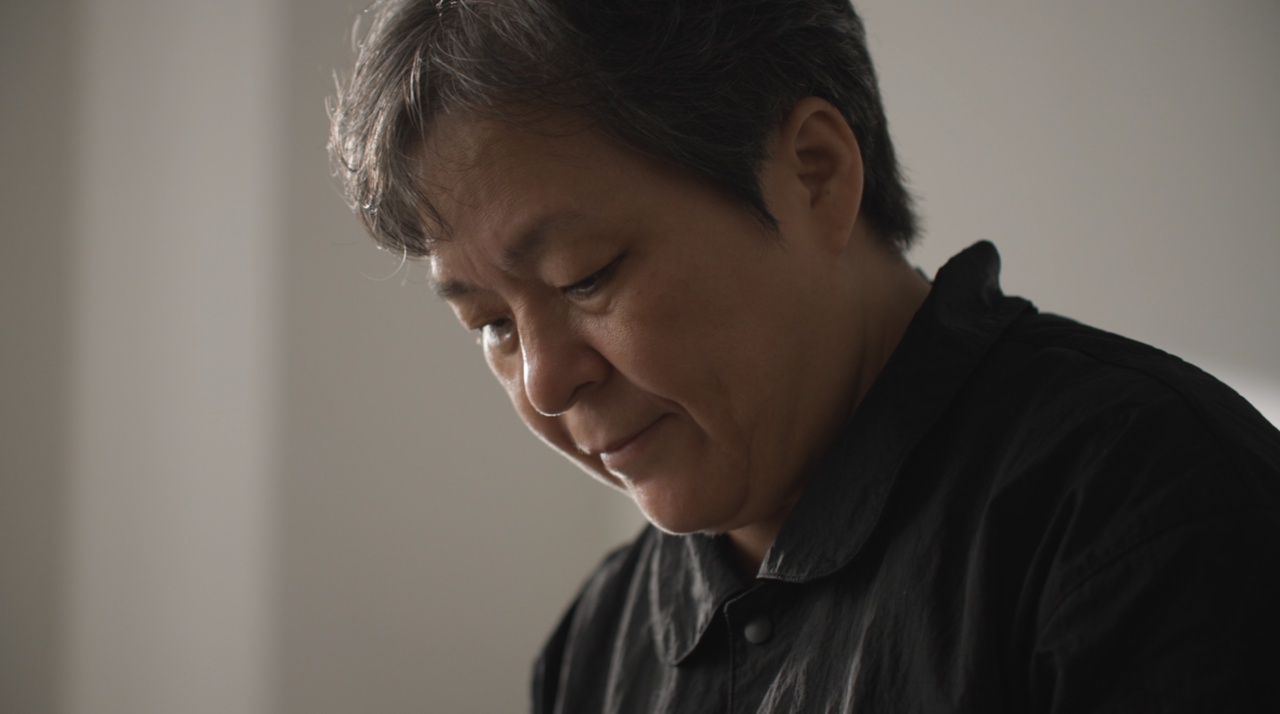
An interview with Park Gyeong-mi, head of Dongbyeongsangnyeon and a certified practitioner of Joseon royal court cuisine
The global rice cake market is growing fast, projected to reach $53 billion by 2029
Japan's mochi has already gone mainstream worldwide — can Korean tteok follow?
"Korea's strength is variety — an unmatched range of types that can conquer the world"
Park Gyeong-mi is rewriting the tteok playbook for global palates
In an era when snacks were scarce, few foods brought as much joy as tteok — Korean rice cake. Mothers and children would gather in the kitchen to shape them by hand. In spring, mugwort picked from the edges of rice paddies went into ssuk-gaetteok; on rainy days, glutinous rice flour was kneaded, pan-fried in oil and dipped in sugar.
Tteok no longer belongs exclusively to the rice cake cultures of Korea, China and Japan. The global rice cake market has surged to an estimated 78 trillion won (about $52.7 billion), drawing the attention of food lovers worldwide. The question now is whether Korean tteok can seize the global stage from Japan's mochi, which long ago established itself as the world's best-known rice cake.
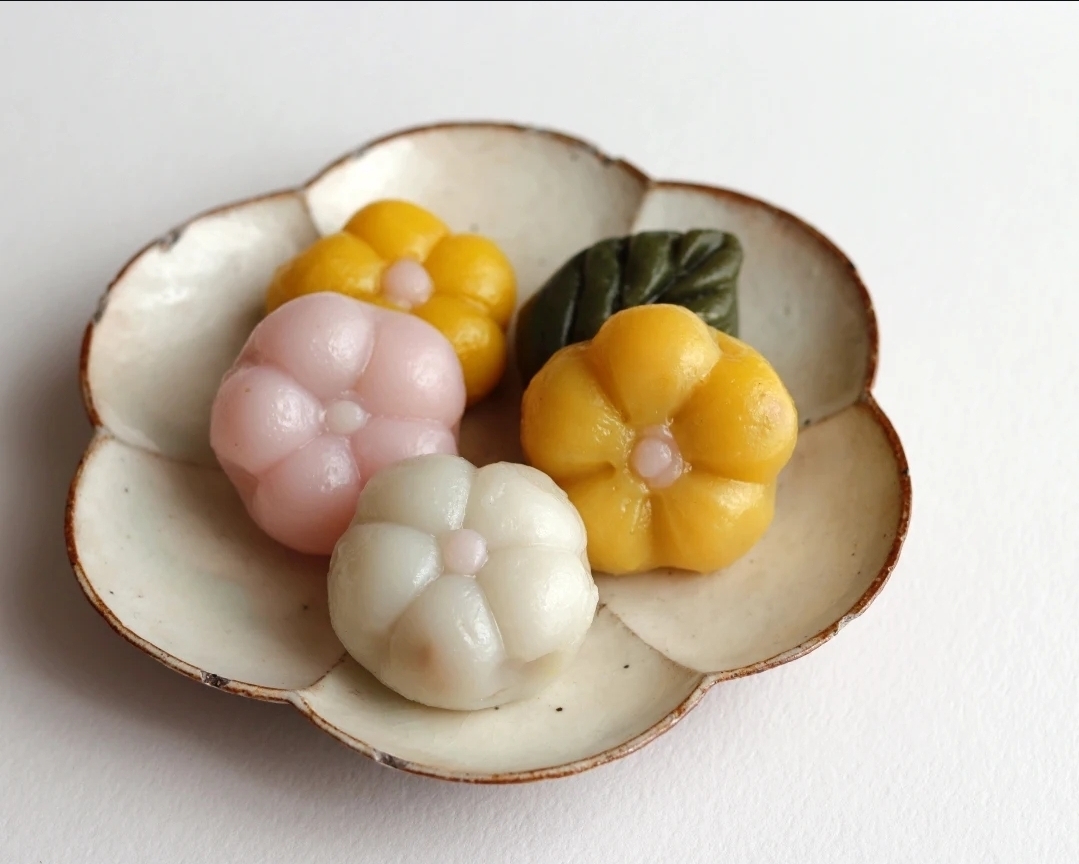
According to a 2023 report on the tteok and hangwa market published by the Ministry of Agriculture and Forestry, tteok and hangwa exports reached $70 million (20,551 tons) in 2021 — more than triple the 2017 figure. Industry analysts attribute the surge to the continued global popularity of Korean culture.
Particularly notable is that the United States, not an Asian market with its own rice cake tradition, is the top export destination, receiving $18.57 million worth (6,050 tons) of tteok. The numbers make clear that tteok is no longer a regional food. According to global market research firm Data Bridge Market Research, the worldwide rice cake market was valued at $33.3 billion in 2021 and is projected to reach $53.08 billion by 2029 — a genuine golden market.
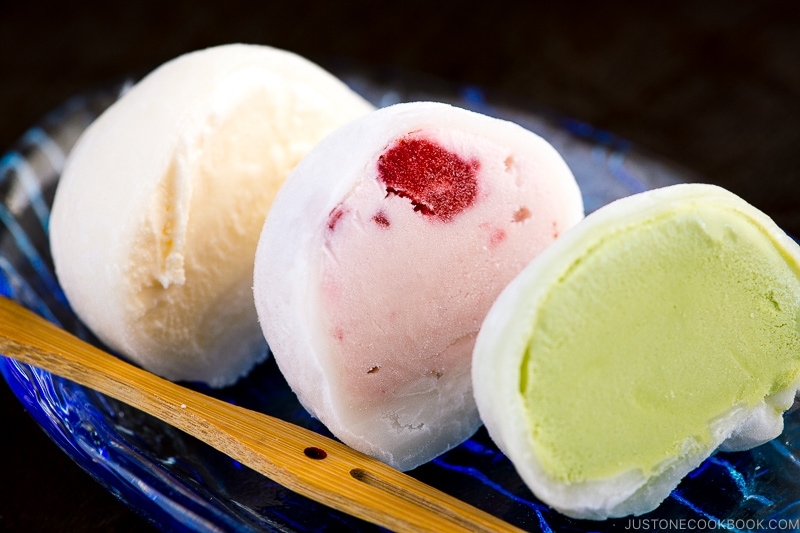
For now, however, Japan holds the upper hand in the global market. According to US market analysis firm Market Data Forecast, the global market for mochi stands at $540.48 million and is projected to grow to $1.478 billion by 2034, expanding at an average annual rate of 11.93 percent. Reinvented as ice cream, toppings and other familiar formats, mochi has successfully gone mainstream across North America and Europe.
'Tteok's globalization is just beginning — variety will outpace mochi'
Park Gyeong-mi, head of Dongbyeongsangnyeon and one of Korea's foremost tteok artisans, believes Korean rice cake can follow mochi onto the world stage — and eventually surpass it.
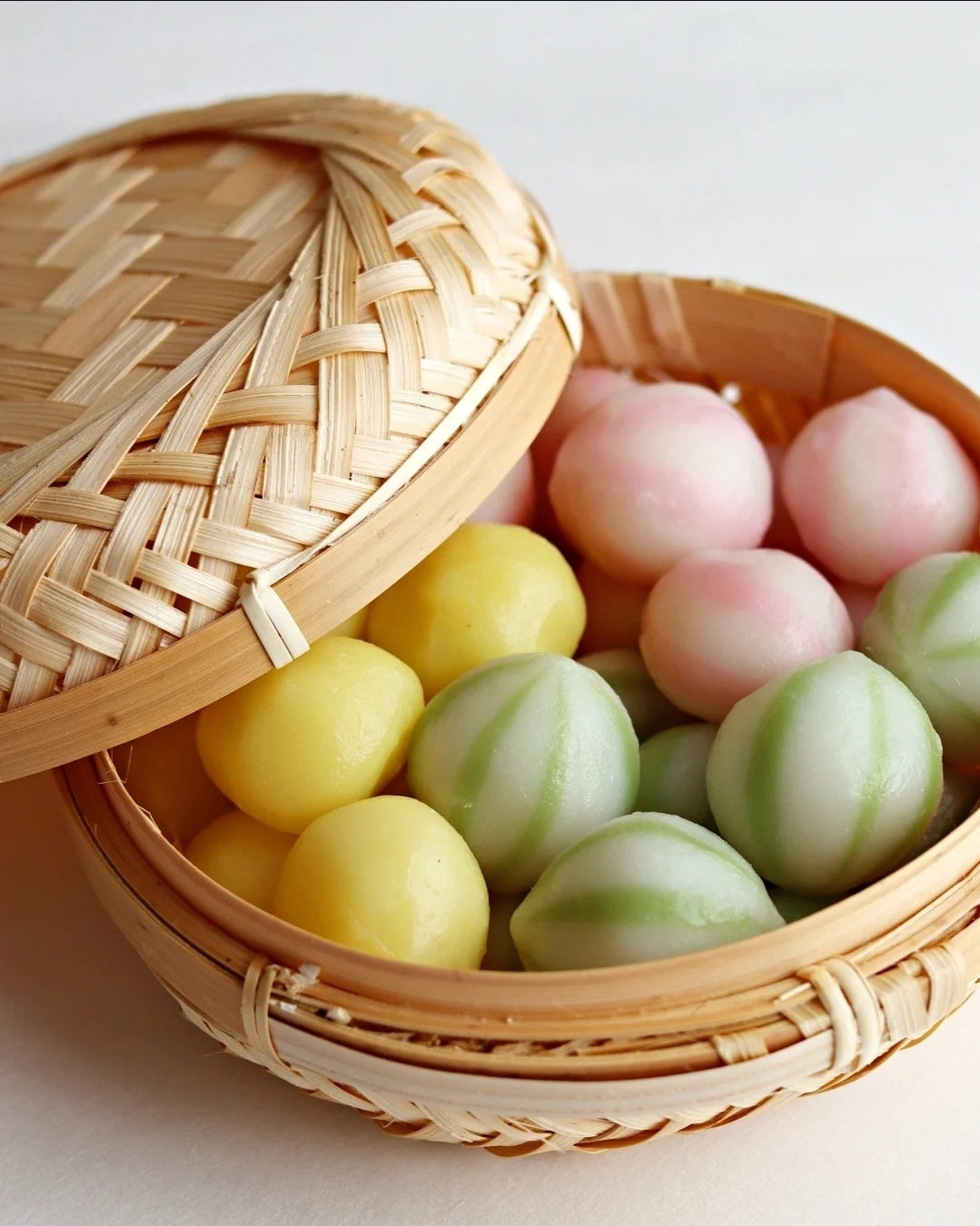
"I think the globalization of Korean tteok has already begun," she said. "Westerners who used to spit it out because they disliked the texture are now the ones showing interest first. Japanese mochi is well known around the world and has real appeal, but one limitation is that it doesn't offer many varieties compared to tteok. Korea's real strength is the sheer breadth of what tteok can be. If you look at rice cakes alone, Korea almost certainly has more varieties than any other rice cake culture in the world."
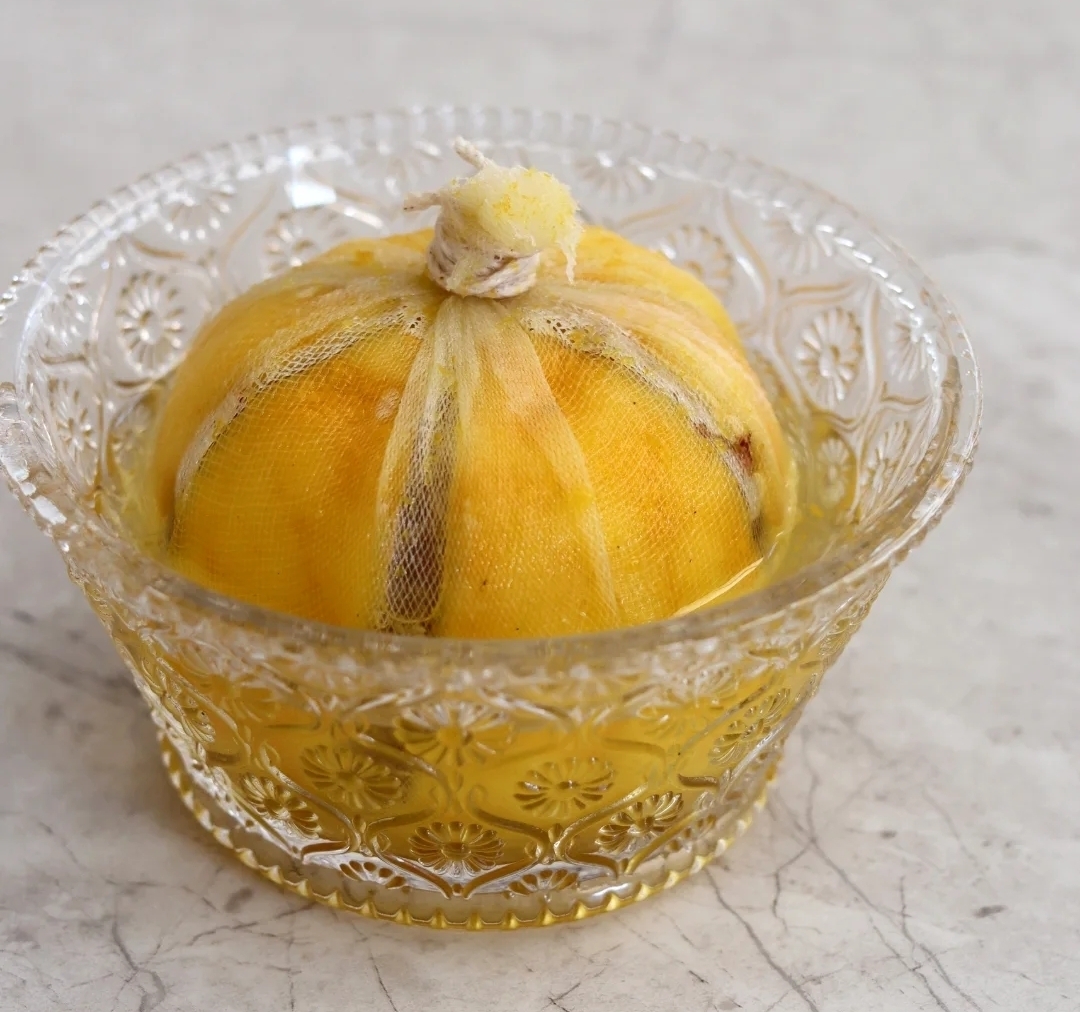
To bring tteok to the world, Park said, the key is lowering the barrier to entry through localization — meeting consumers in forms they already know.
"Recently in the United States, eating kkultteok soaked in milk became a big trend — essentially reimagining it as cereal," she said. "Mochi succeeded globally not by staying true to its Japanese form, but by lowering the threshold through familiar dessert formats like ice cream toppings and mochi ice cream. Localization is how you bring the barrier down. Pushing tradition alone, without adaptation, is unlikely to work."
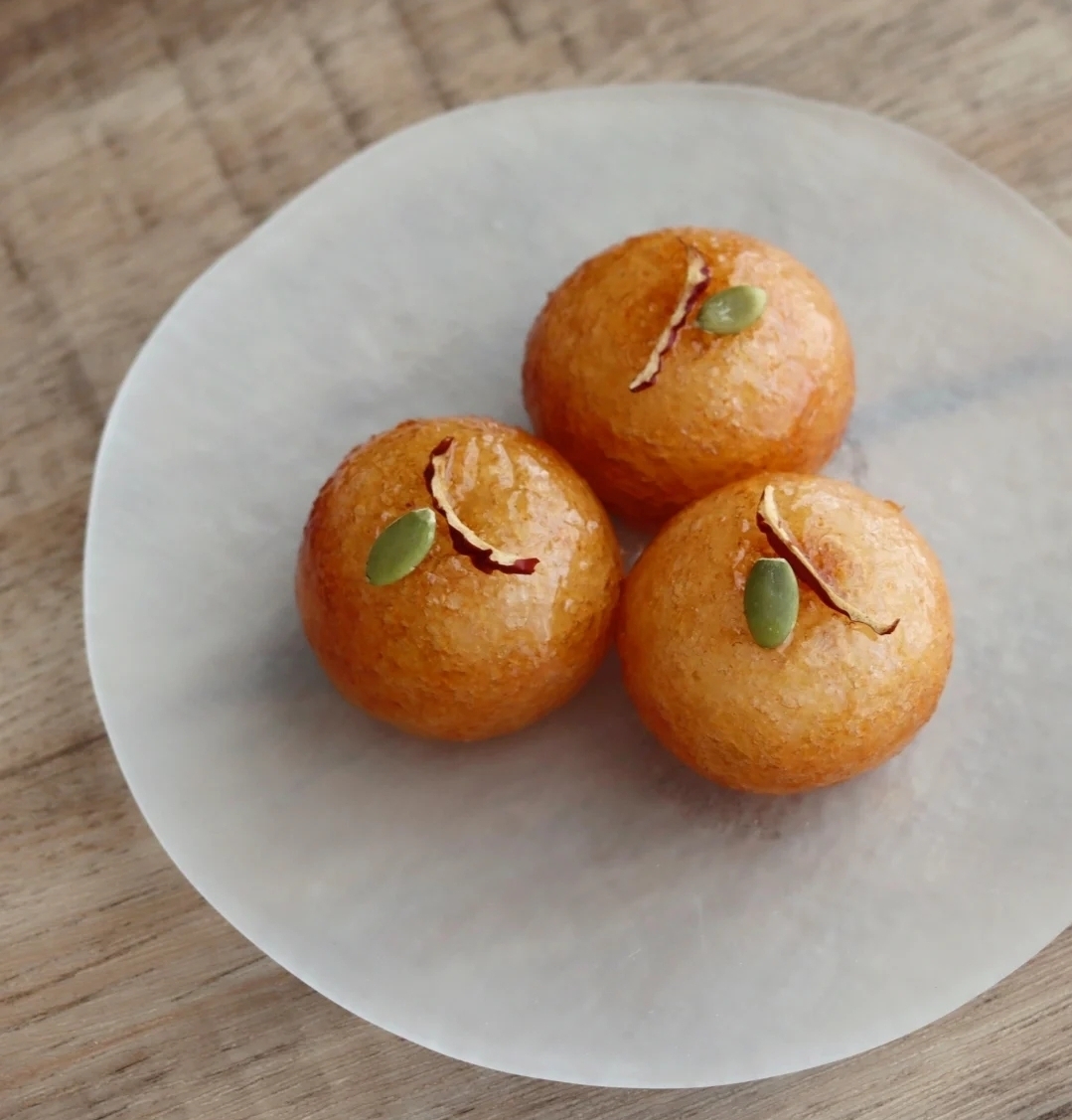
As Park notes, the greatest appeal of Korean tteok lies in its extraordinary variety. The methods of preparation alone span steaming, pounding, pan-frying and boiling. The range of ingredients is equally vast — mugwort, azalea petals, pine needles and black sesame, among many others that would be unfamiliar in most parts of the world. The flavor possibilities are virtually endless.
"The greatest strength of Korean tteok is its sheer scope," she said. "There are many varieties that even Koreans don't know about. And what survives today is already far fewer than what existed during the Joseon Dynasty. The royal court and yangban households drove tteok culture to extraordinary heights, producing an enormous number of varieties. Buddhist ritual culture in the Goryeo period, followed by Confucian ancestral rite traditions and the diversification of cooking techniques, all contributed to an explosion in the types of tteok. There were even varieties unique to individual families."
'I want to change the paradigm of tteok' — the dream of innovator Park Gyeong-mi
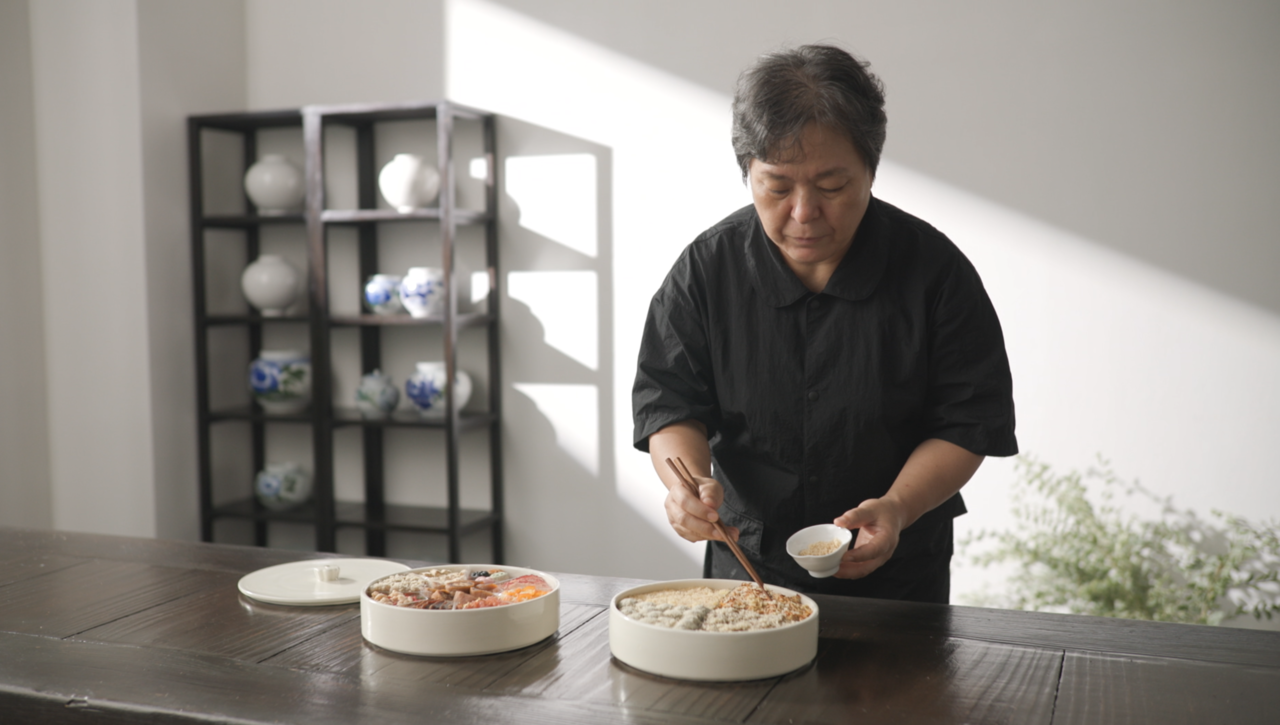
Park Gyeong-mi grew up immersed in food — her father was a chef at the Joseon Hotel — and though she once considered a career in fine arts, she ultimately entered the culinary world. She began studying hansik at Korea House before joining the Institute of Korean Royal Cuisine, where she threw herself into serious research. It was there that she fell in love with tteok. In 1994, she was designated a certified practitioner of Joseon royal court cuisine, a nationally recognized intangible cultural heritage. She later struck out on her own, opening a 2.5-pyeong (about 8.3-square-meter) tteok shop called Dongbyeongsangnyeon near the main gate of Ewha Womans University in 1999. She has carried on the lineage of Korean tteok culture ever since, living the life of a true artisan.
Park is not content to simply preserve tradition. She is an innovator — one who charts the path tteok must travel. She has done groundbreaking work reviving and recreating forgotten varieties from the past, while also pioneering new frontiers for the form. She is credited with developing the first tteok cake, and in 2007 she introduced "butter seolgi," a precursor to the butter tteok that is hugely popular today. Butter seolgi was perhaps ahead of its time and did not find commercial success, but the significance lies in the fact that she never stopped experimenting.
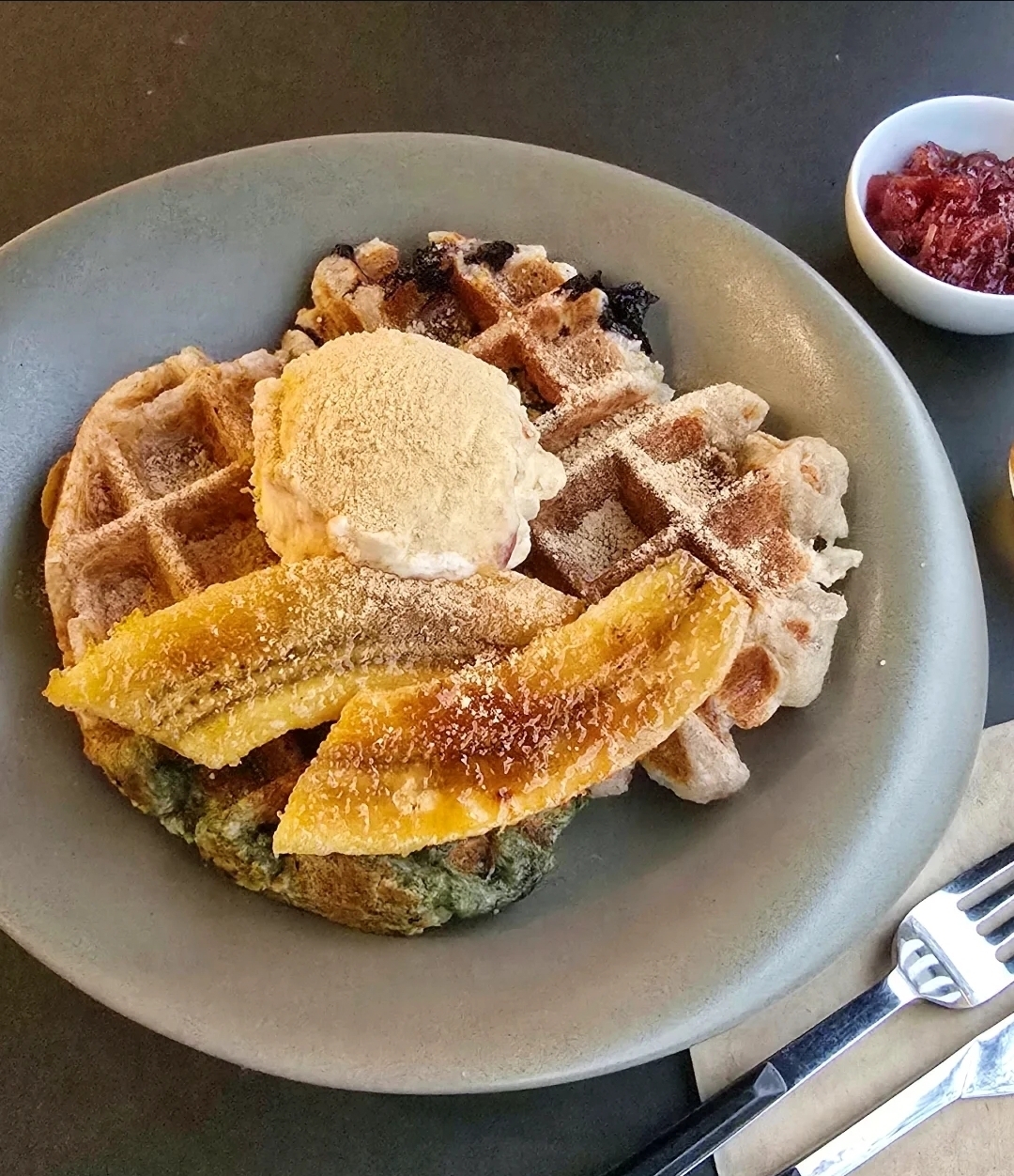
Her latest creation is a salt bread reimagined in tteok form — the result is striking, combining the savory depth of baked rice cake with the distinctive chewiness of tteok and the aroma of butter. She has also experimented with replacing the marshmallow layer in a Dubai Chewy Cookie with tteok, producing a chewier, more textured bite that pairs well with pistachio kadayif.
"I want to shift the paradigm," she said. "Gastronomy is like a river — it never stops flowing. We can't stand still in tradition; we have to move forward. Of course, we must never forget the traditional roots that underpin everything. But we cannot afford to stop. Our ancestors kept developing tteok and pursuing new possibilities. The vast diversity that makes tteok so compelling was itself born from that spirit of constant innovation. I want to keep showing the world everything tteok can be."
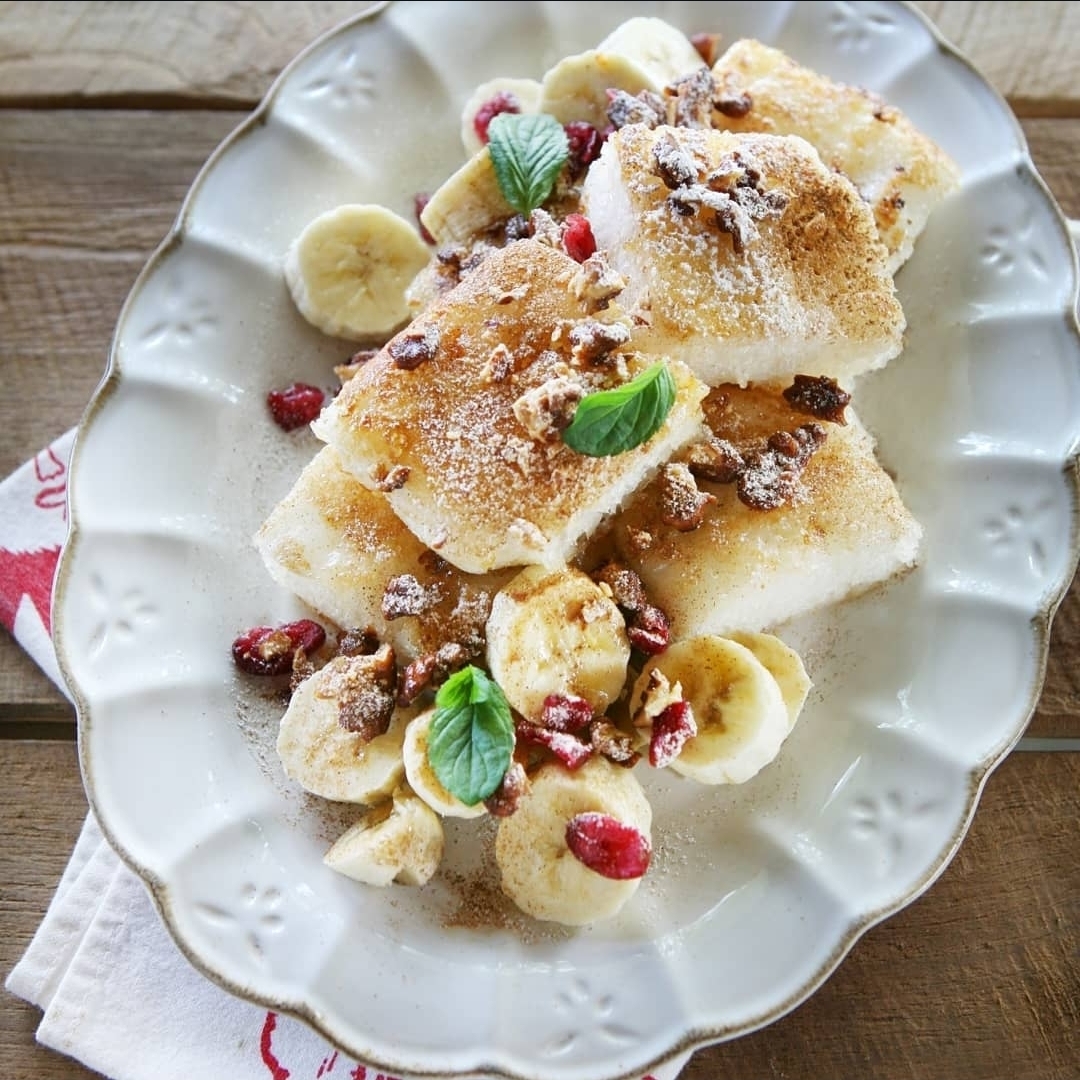
Tteok is no longer a food that belongs only to memory. Reinventing itself with each era, it continues to weave its way into everyday life — and now, from its origins in the warmth of hands shaping rice cake together, it is expanding onto tables around the world as a new kind of culinary experience. What tteok is at its core has not changed: it is food made for someone, meant to be shared. That enduring value is what keeps tteok's future pointed firmly forward.
123@heraldcorp.com




