
Industrial policy report released
Proposals include robot tax, 32-hour workweek
'Incremental fixes no longer enough,' company says
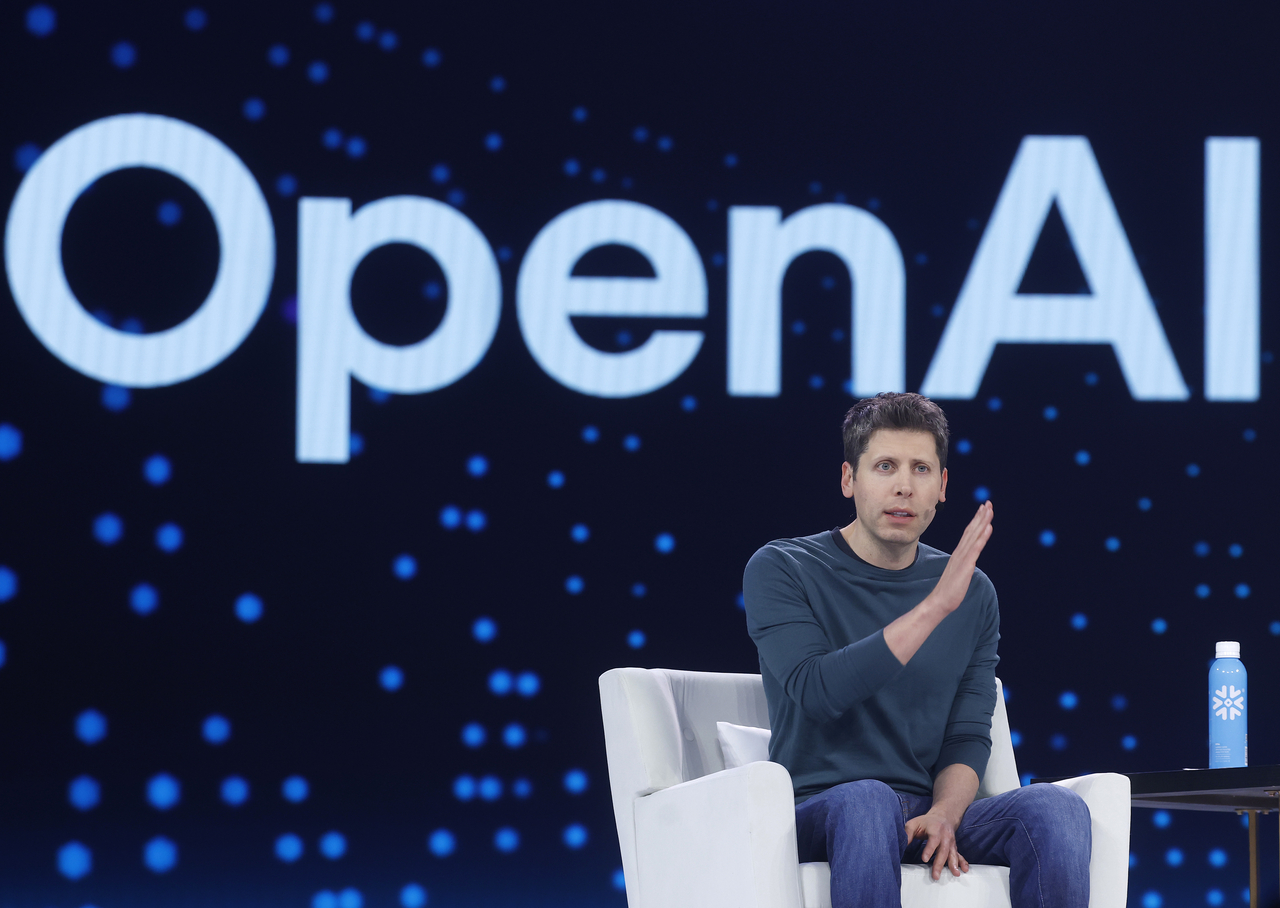
OpenAI, the company behind ChatGPT, has proposed sweeping industrial policy measures ahead of what it calls the superintelligence era — a period when artificial intelligence surpasses human intelligence. The proposals include overhauling the tax system, introducing a 32-hour four-day workweek and establishing a public fund for all citizens.
The company released a policy paper titled "Industrial Policy for the Intelligence Age: Human-Centered Ideas" on Sunday.
"As the superintelligence era approaches, incremental policy adjustments are no longer enough," OpenAI said in explaining the rationale behind the report.
The paper argues that the prosperity generated by AI must be broadly shared, risks must be mitigated and access to AI must be democratized.
As a concrete first step, OpenAI pointed to tax reform. The company warned that while AI boosts corporate profits, it could simultaneously suppress labor income and erode the tax base.
To counter that risk, OpenAI said policymakers should consider raising capital gains taxes, corporate taxes and levies on AI-driven revenues, as well as introducing a tax on "automated labor" — effectively a robot tax on profits derived from replacing human workers with machines.
The paper also called for incentives to help companies retain workers and fund retraining, and proposed piloting a four-day, 32-hour workweek with no pay cuts so that productivity gains from AI translate into worker benefits.
OpenAI further urged the creation of pathways for workers displaced by AI to find jobs in childcare, caregiving and community services. It also proposed establishing a public fund that would give citizens a share of AI-driven economic growth even if they do not invest directly in financial markets.
On AI safety, the paper recommended building safeguards against AI-enabled threats and strengthening oversight bodies such as a proposed Center for AI Safety and Innovation to assess model risks. It also called for AI companies to embed public-interest accountability in their governance structures, mandatory reporting of AI accidents and malfunctions to build a shared data record, and governments to meet safety and transparency standards in their own use of AI. The paper added that AI-related information should be shared internationally.
OpenAI said its proposals are "not fixed answers but a starting point for broader conversation," and announced plans to hold a workshop in Washington next month to continue the discussion. The company added that it would offer a program providing $100,000 in grants and $1 million worth of AI credits to support related policy research.
The Wall Street Journal said the proposals appear designed to strike a balance between the Donald Trump administration and the opposition Democratic Party.
OpenAI has broadly aligned itself with President Donald Trump's push to minimize AI regulation, but the social safety net measures and AI oversight recommendations in the new paper more closely reflect the policy direction of the previous Joe Biden administration, the newspaper said.
yckim6452@heraldcorp.com




