US defense law bars withdrawal without two-thirds Senate approval; experts warn legal constraints may not hold
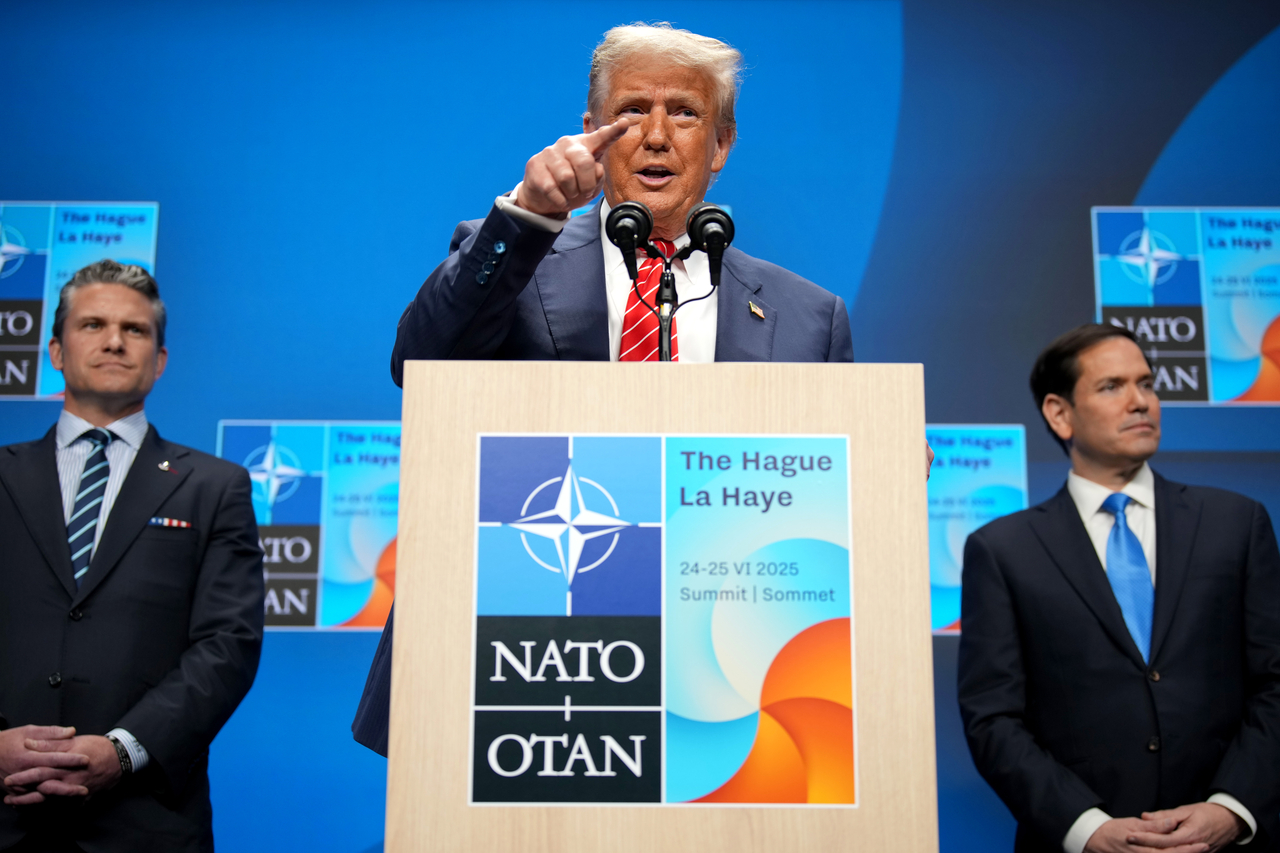
Donald Trump has made no secret of his desire to pull the United States out of NATO after allied nations refused to join military operations responding to the blockade of the Strait of Hormuz following the outbreak of war with Iran.
In an interview with Reuters on April 3, Trump said he was "absolutely" considering withdrawing from the alliance. "When we needed them, they were not friends," he said, adding that the US had never asked much of its allies. "It's a one-way street," he said, criticizing what he called the tepid military support from alliance members.
The previous day, in an interview with the British daily The Telegraph, Trump lashed out at the alliance even more bluntly. "I was never impressed by NATO," he said. "I always knew they were a paper tiger, and Putin knows it too."
NDAA makes NATO exit hard — but experts see ways around it
Despite Trump's confidence, analysts say a unilateral US withdrawal from NATO would not be easy. A 2023 amendment to the National Defense Authorization Act, passed under the Joe Biden administration, bars the United States from leaving NATO without the support of two-thirds of the Senate. The amendment also prohibits the use of any federal funds to facilitate a US withdrawal from the alliance.
Even so, analysts say the possibility that Trump could seek ways around the NDAA amendment and push ahead with withdrawal cannot be ruled out.
During Trump's first term, the Justice Department's Office of Legal Counsel issued an opinion that the president holds exclusive authority to withdraw from treaties without congressional approval — a legal argument that observers say could now be invoked to justify a NATO exit. A February report by the Congressional Research Service also noted that, should the matter go to court, the Trump administration could cite that OLC opinion to argue that the NDAA amendment is unconstitutional.
Ilaria Di Gioia, a US law expert at Birmingham City University, said "the legal constraint posed by the NDAA amendment is far from ironclad" and that "Trump could invoke presidential authority over foreign policy to circumvent the statutory restrictions imposed by Congress — an approach he has previously signaled as a way to sidestep congressional limits on treaty withdrawal."
She added, however, that while Trump could argue that Article II of the Constitution — which designates the president as commander in chief of the armed forces — renders Section 1250A of the NDAA unconstitutional and entitles him to withdraw from NATO by executive action alone, "doing so would require a strong legal argument to back it up."
Experts broadly expect that any attempt by Trump to withdraw from NATO by circumventing the NDAA amendment would trigger prolonged legal battles.
NATO withdrawal threat seen as leverage over allies
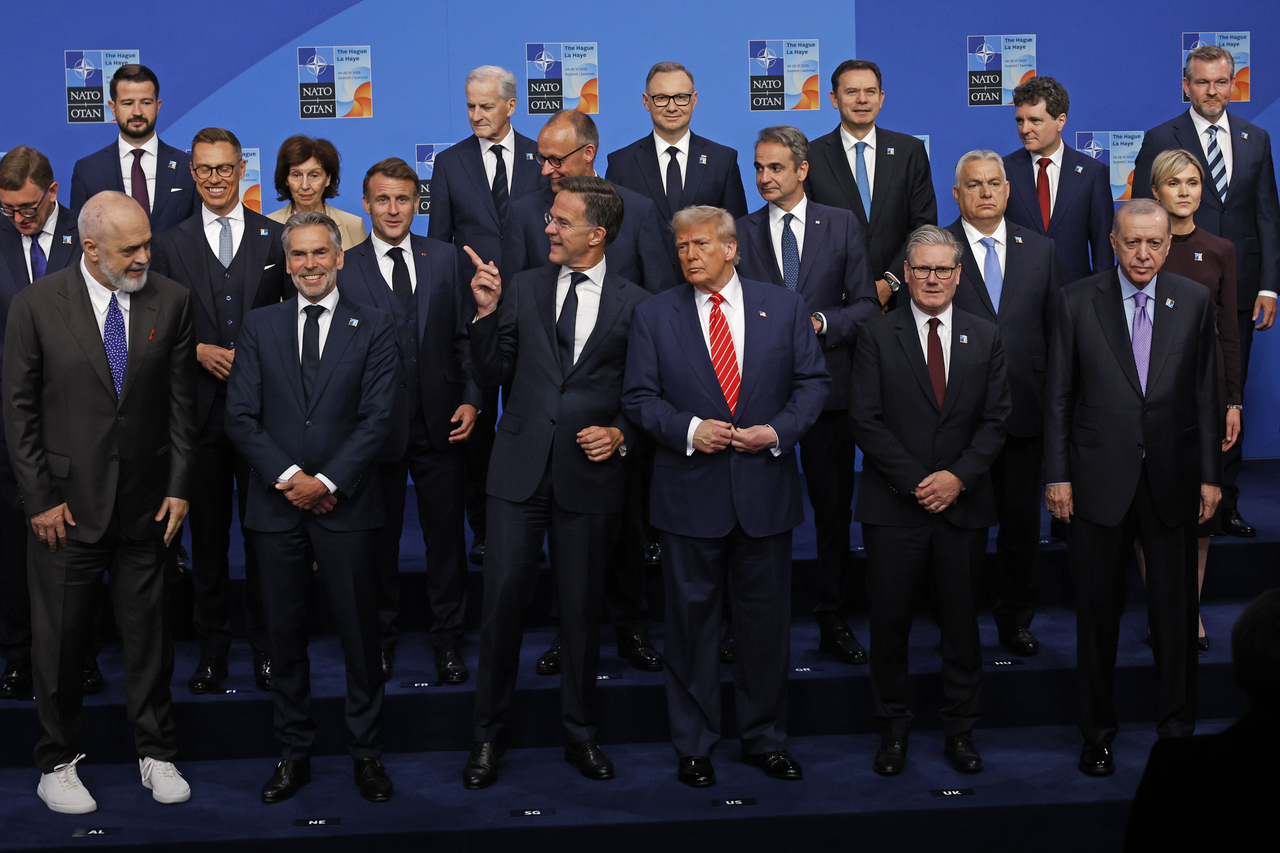
Ultimately, analysts say Trump's repeated invocation of a possible NATO withdrawal is best understood as a high-pressure tool to squeeze European nations rather than a firm policy intention.
Cracks in the Atlantic alliance have deepened since Trump began his second term, widening further after European allies rejected his request to help secure the safe passage of oil shipments through the Strait of Hormuz. Trump has floated the prospect of withdrawal before and has previously succeeded in pressuring NATO members to increase their defense spending.
Di Gioia said "the very idea of a US withdrawal from NATO undermines trust, cohesion and the credibility of collective defense — the mere suggestion causes enormous damage," adding that "Trump's repeated questioning of the alliance weakens deterrence, destabilizes European security planning and emboldens adversaries."
Curtis Bradley, a professor at the University of Chicago Law School, said the far more likely outcome was "continued tension with NATO rather than a formal US withdrawal."
yckim6452@heraldcorp.com