More than 50 households visited for consultations; pharmacists identify dangerous drug combinations and misuse, helping adjust prescriptions
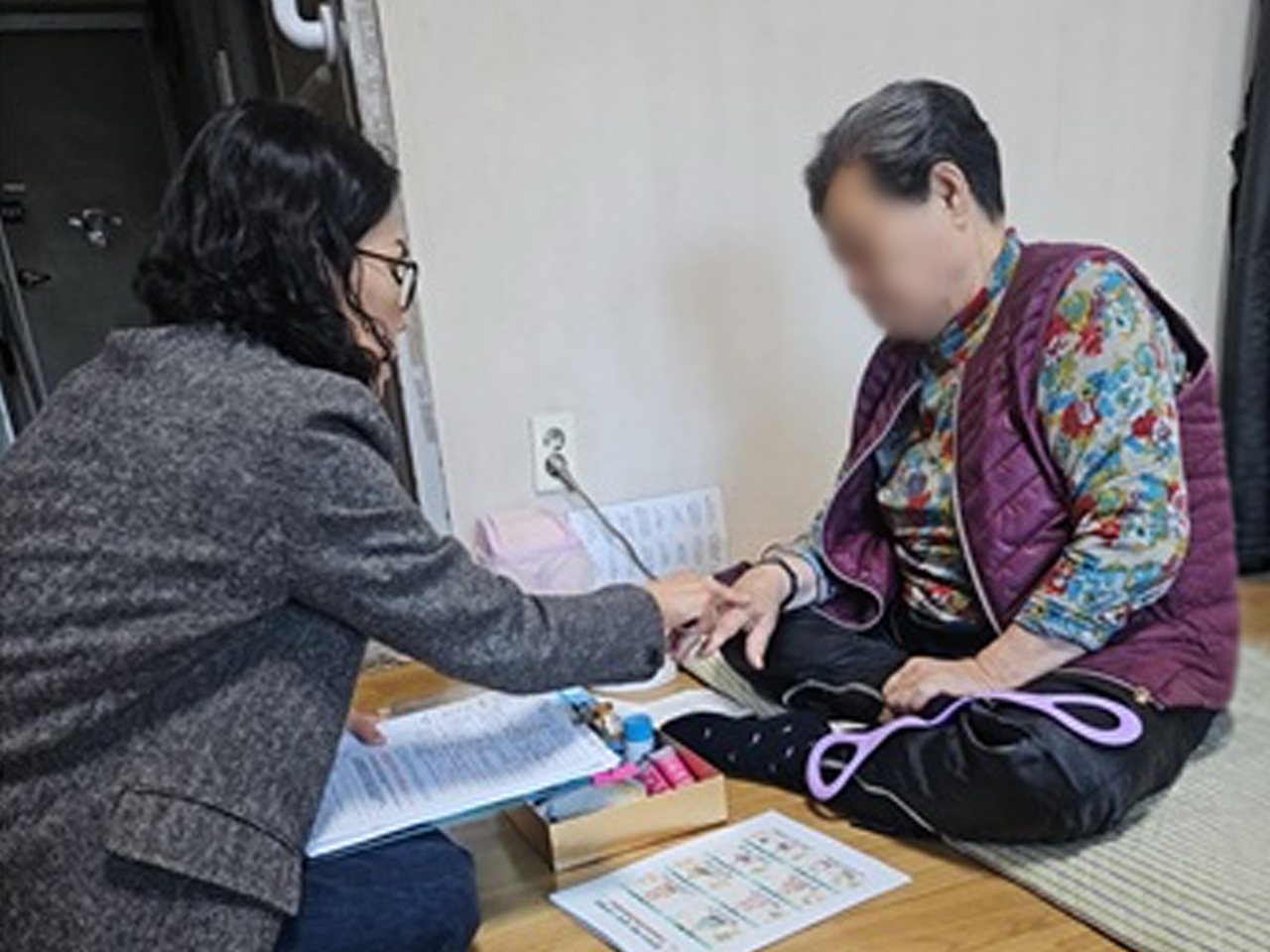
Yangcheon-gu is strengthening community-based integrated care by deploying visiting pharmacists to help vulnerable residents manage their medications, reducing the risk of improper drug use and adverse reactions.
The district said it is working with the Yangcheon Pharmacists Association to run a home-visit medication safety care service that improves elderly residents' medication habits and identifies health risks before they escalate.
Under the program, pharmacists visit the homes of care-vulnerable residents to review their prescription drugs and health supplements, provide personalized medication guidance and dosage calendars, collect unused or expired medicines, and connect residents with health, medical and welfare services.
Yangcheon-gu signed an MOU with the Yangcheon Pharmacists Association in April, establishing a support system that covers identifying eligible residents, conducting specialist pharmacist home visits and providing follow-up care. Since the program launched, pharmacists have visited more than 50 households and helped address health risks that are easy to overlook during routine medication management.
In one case, an 84-year-old resident was taking medication for multiple conditions and was at risk of stopping a heart disease drug after mistaking it for a lung disease medication. A visiting pharmacist reviewed the medication packets and prescription records, explained the drug's actual purpose and the dangers of stopping it without guidance, and provided a time-based dosage calendar to help the resident take it consistently.
In another case involving an 87-year-old resident, a pharmacist found a drug combination prescribed by multiple medical institutions that could impair kidney function. The pharmacist informed the resident and their guardian of the risk of adverse interactions and coordinated with the prescribing institutions to adjust the medication regimen.
At an operational meeting in October, the district incorporated feedback from the field and decided to expand home consultations to a maximum of three visits per resident, depending on their health condition and the complexity of their medication needs. The district also plans to strengthen integrated care training for participating pharmacists and require neighborhood community center staff to share residents' basic health information in advance to improve the overall service framework.
Since April, Yangcheon-gu has been running its integrated care program to help elderly residents and people with disabilities maintain healthy daily lives in their own homes. The district has delivered a total of 2,879 integrated care services to date, including 942 cases under specialized programs — among them a traditional Korean medicine home-doctor service, visiting exercise instruction, an emergency care response service and a home repair service for daily living needs.
"These cases show how important it is to provide attentive care close to residents' everyday lives," Yangcheon-gu District Mayor Lee Gi-jae said. "We will continue to work with various organizations in the community to reach those who have fallen through the cracks, and to build a more robust integrated care system so that elderly residents can live healthy and safe lives in the places they call home."
seouldream01@heraldcorp.com