Greer acknowledges fierce internal debate within administration
Dismisses reports of cabinet clashes as 'Washington drama'
Maintains stance on need for semiconductor export controls on China
Says China is racing to develop its own AI chips; US must protect its technology
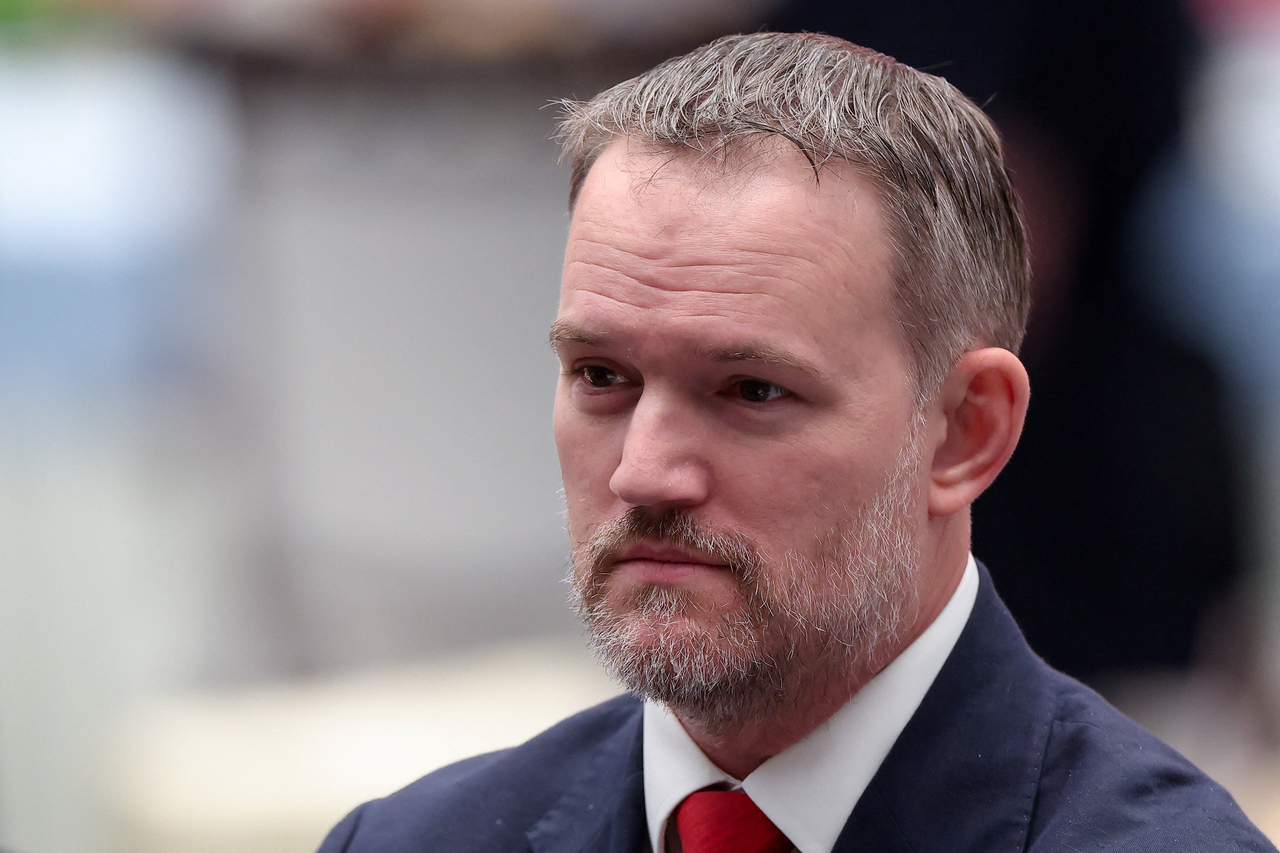
US Trade Representative Jamieson Greer, who was reported to have opposed the return of Nvidia CEO Jensen Huang, has publicly defended President Donald Trump's decision. Greer said the administration engaged in fierce internal debate over Huang's status but that Trump struck a balance between economic interests and national security — while maintaining his position that the United States must protect its advanced technology as China accelerates development of its own AI semiconductors.
Appearing on CNBC on Wednesday (local time), Greer said every cabinet member had presented their views to the president on the Nvidia matter. "We had a vigorous debate," he said.
He drew a line, however, at suggestions that the dispute had escalated into open conflict among Trump's senior advisers. "There was none of the Washington political drama," Greer said. Asked whether anyone had thrown objects at or struck Treasury Secretary Scott Bessent, he said: "No. We're all good people. There were no fisticuffs."
The Trump administration had been sharply divided between hawks and moderates over Nvidia's semiconductor sales to China and the question of Huang's return, according to reports.
Greer has been counted among those taking a harder line on technology exports to China and on Huang's return, alongside Treasury Secretary Bessent, Secretary of State Marco Rubio and Director of National Intelligence Jay Clayton. Commerce Secretary Howard Lutnick, by contrast, has backed expanded sales of US-made semiconductors and supported Huang's return.
"Export controls are a matter of national security," Greer said, adding that the president "is constantly balancing the need for our economy to succeed for American families and workers against national security needs."
He said determining how much trade to expand and how much domestic industry to protect — in the course of defining relationships with allies and adversaries — had always been a matter of balance. He said Trump had carefully weighed those factors before reaching his decision.
Greer also expressed support for the follow-up measures the administration took in exchange for accepting Huang's return, including tighter semiconductor export controls on China.
He said he agreed with the decision to add Megaspeed — a company linked to Alice Huang, Huang's alleged mistress who is suspected of ties to Chinese intelligence — to the export control list, as well as the move to block remote access to data centers using US-made semiconductors.
Greer added that Trump views recent developments surrounding Nvidia and Huang very positively.
He did, however, distance himself from the argument that expanding advanced semiconductor sales to China would help the United States maintain its technological dominance.
Greer said Chinese private companies want US AI semiconductors, but that there are figures within the Chinese government who do not, noting that views within China are divided.
He added that within the US administration as well, there are competing arguments — one holding that selling semiconductors to China would deepen Beijing's dependence on American technology, and another calling for export restrictions to protect advanced technology.
Lutnick and Huang have argued that increasing China's reliance on US-made semiconductors would, over the long term, work in America's favor in maintaining its technological edge.
"My personal view is that China is trying to develop its own AI semiconductors at a rapid pace, and it is up to us to protect those semiconductors appropriately," Greer said.
Huang's return appears to have papered over the internal divisions within the Trump administration for now, but fundamental disagreements over semiconductor export policy toward China persist.
sjy@heraldcorp.com