Park Yang-woo, organizing committee chair of Seoul International Sculpture Festa
In conversation with Kwon Chi-gyu, operating committee chair
Event aims to foster mutual growth between culture and industry through corporate collaboration
Sculpture as a force for urban transformation and tourism revitalization
"Sculpture does not end with the sculpture itself. When it meets architecture, urban development and industry, it can generate an impact as great as any other art form."
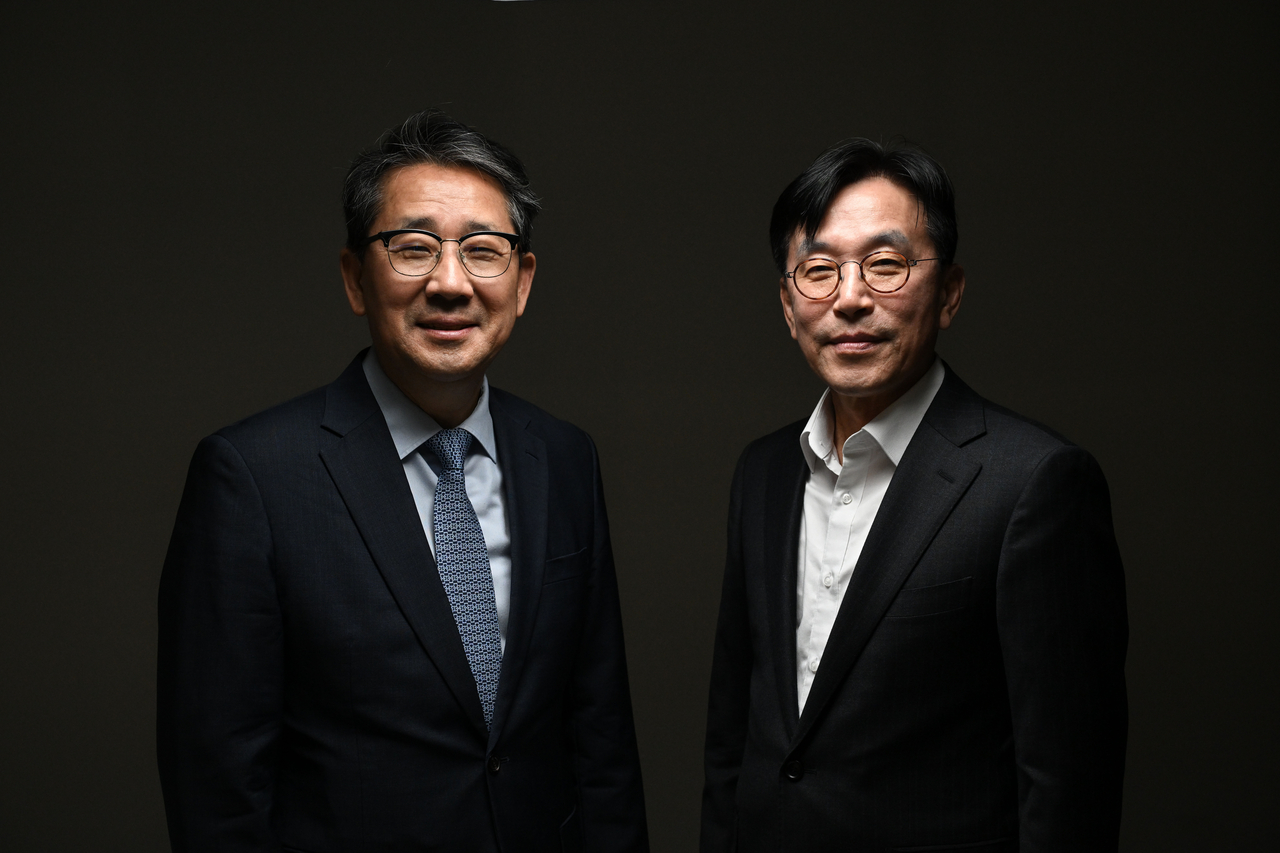
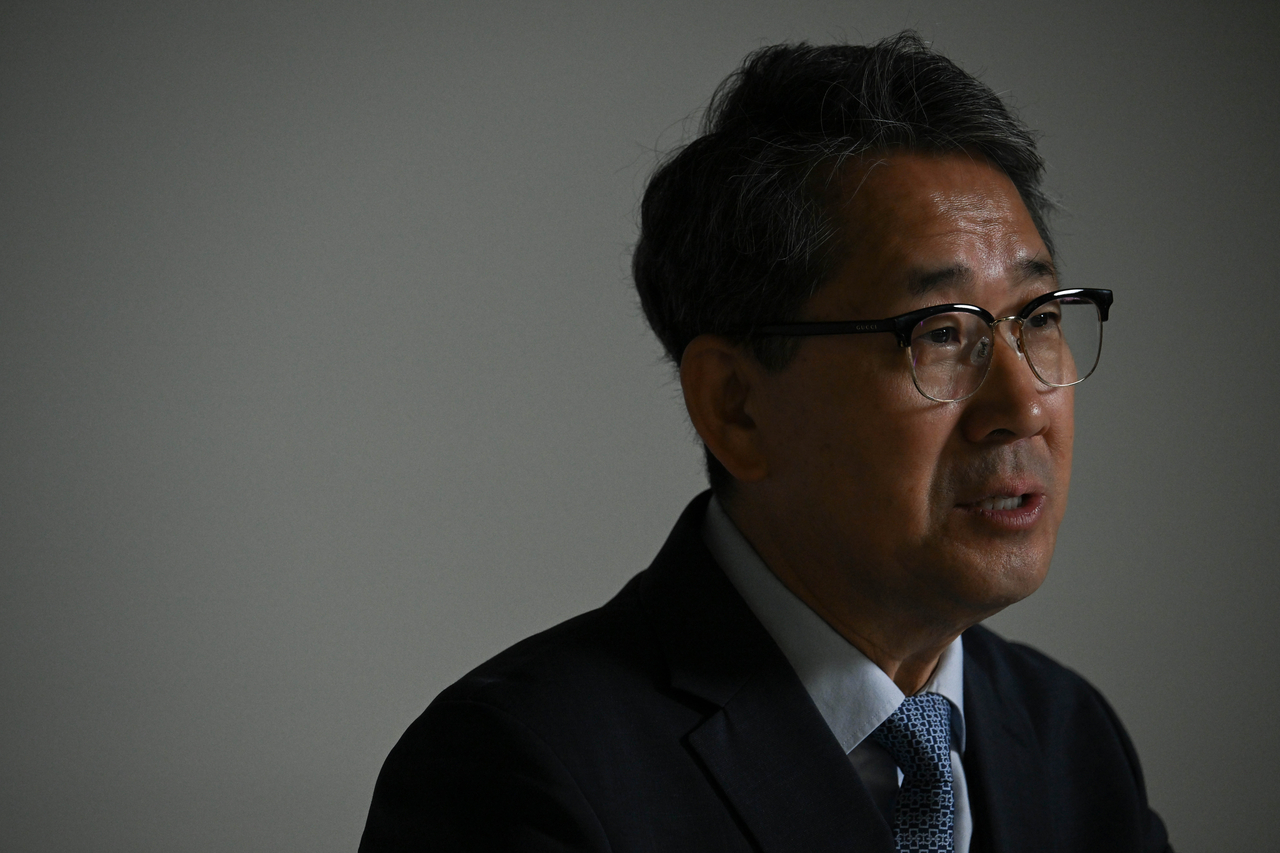
Park Yang-woo, organizing committee chair of Seoul International Sculpture Festa 2027 and a former Minister of Culture, Sports and Tourism, made the case for sculpture's untapped potential in a recent interview at Herald Square in Yongsan-gu, Seoul. Sculpture, he argued, should be seen not merely as something to exhibit and sell, but as an asset capable of reshaping corporate brands and urban spaces.
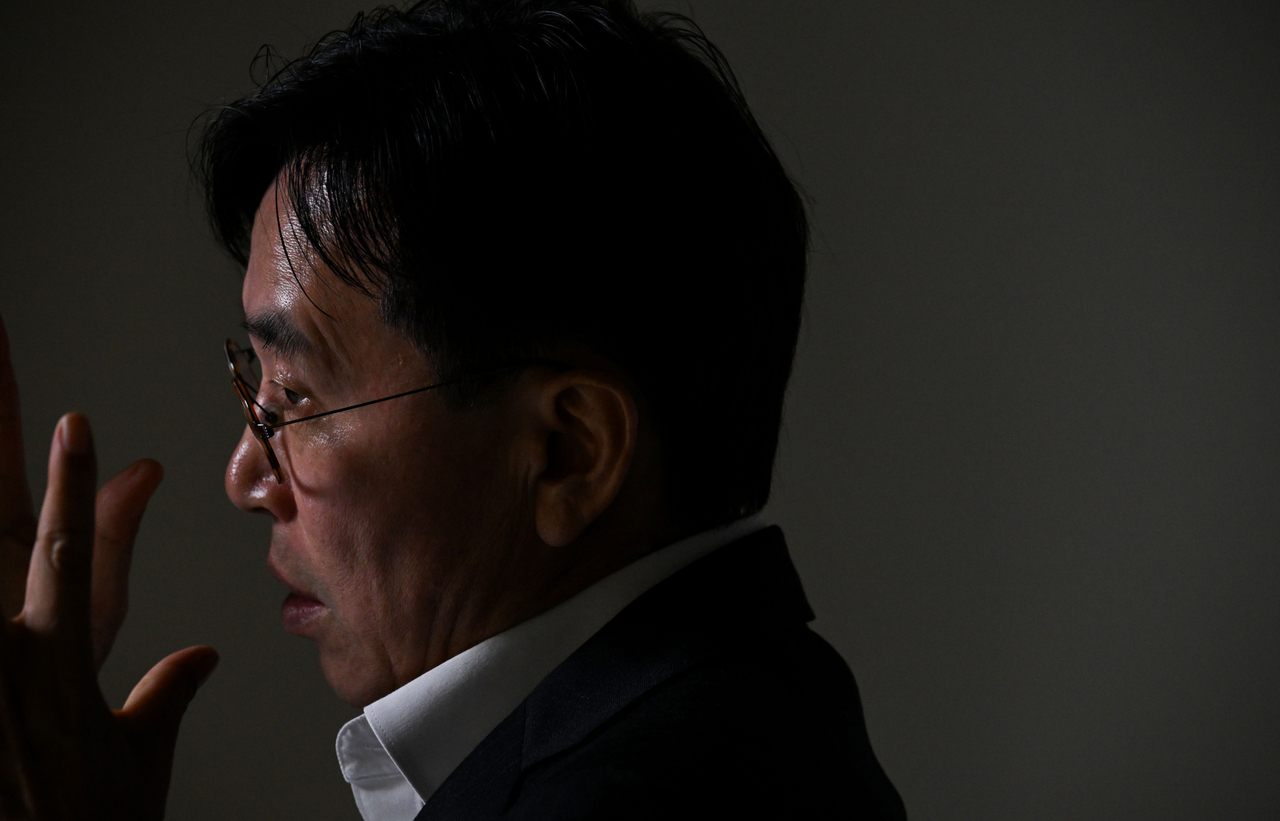
Kwon Chi-gyu, the event's operating committee chair and chairman of the Korea Sculptors Association, said the goal is to move beyond one-sided patronage. "Rather than companies simply supporting artists, we want to build a collaboration model where both sides achieve real, tangible results," he said.
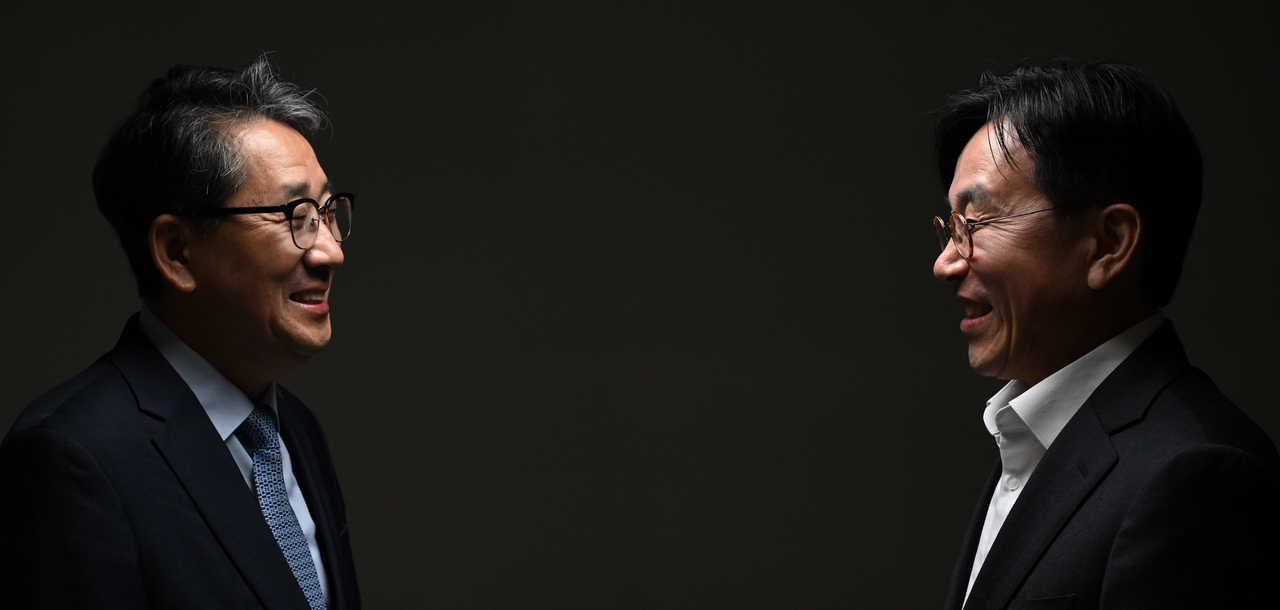
The two are positioning Seoul International Sculpture Festa 2027, set to open next January, as the starting point for that vision. The event's theme is "Beyond Boundaries: Connecting Sculpture, Industry and the City." Park will draw on his experience in cultural policy and international exchange to set the overall direction, while Kwon — an active sculptor himself — will lead efforts to secure corporate partnerships and other support. Their wide-ranging conversation on Nov. 4 covered corporate collaboration, the evolution of public art and how the government funds culture and the arts.
— How did you come to take on this role, Chair Park?
▶ Park Yang-woo (Park): "If you look at the art market, it rests on three pillars — museums, art fairs and biennales. Each has its own character, but painting dominates, and in recent biennales video and media art have been drawing the most attention. Sculpture, by comparison, has been relatively sidelined. Yet sculpture is an art form rooted in space. It can influence architecture, urban planning, tourism, and even the materials and brands of industry. When someone proposed creating a stage where sculptors could work freely and connect with companies, cities and the world, I agreed with that vision and accepted the role of organizing committee chair."
▶ Kwon Chi-gyu (Kwon): "There are limits to a model where sculptors simply hold exhibitions among themselves and call it done. What we need is a design that encompasses cultural arts management, industry and collaboration with local governments — and Chair Park is precisely the expert in that field. He served as Minister of Culture, Sports and Tourism and has taught cultural arts management at university. I believed he could set the broad direction for where this event needs to go."
— Is it possible for artists to approach companies and cities first, rather than the other way around?
▶ Kwon: "Until now, the usual pattern has been for a company or local government to decide on a project, put out a call for proposals, and then have artists apply. I want to reverse that order. Artists would choose a company or a city first and propose: 'This company needs this kind of art project,' or 'This city could have this kind of cultural space.' If a strong idea emerges, the Seoul International Sculpture Festa operating committee would identify it early, refine the concept, and then connect it with the company or local government. Artists focus on creation; the Festa helps with commercialization and making the connections."
▶ Park: "Corporate support for culture and the arts used to be driven mainly by sponsorship or social responsibility. But when an artist's creativity meets a company's technology, materials and brand, something entirely new can be created. If companies respect artists' imagination and commit to long-term collaboration, companies accumulate cultural brand assets and artists gain new creative opportunities and markets. It becomes a structure where culture and industry grow together."
— Why should sculpture and business collaborate?
▶ Park: "Corporate support for culture and the arts has long been framed mainly as sponsorship or social contribution, but it needs to evolve. When an artist's creativity meets a company's technology, materials and brand, entirely new value can emerge. A sculptor can interpret a company's technology from a completely different perspective, and a company can use an artist to communicate the value of its technology and industry in a more human, cultural way. The relationship should move beyond companies simply supporting the arts toward a genuine partnership where companies and artists create value together."
▶ Kwon: "What artists need most is the opportunity to create, and in today's world those opportunities do not exist only within the art market. Companies have materials, technology, spaces and brands; artists have imagination and fresh perspectives. When the two meet, results emerge that could not have existed before. What we are aiming for is not simple corporate sponsorship but a collaboration in which companies and artists build new value together."
— I understand you both have concerns about the state of cities and public spaces.
▶ Park: "Visit a park and you will find the exercise facilities are very well equipped. But ask whether the space itself is beautiful and artistic, and many fall short. Barcelona's Park Güell feels like a sculpture in its entirety, and it has become a tourist destination in its own right. Even more important, though, is that the people who live in that space must feel happy. In our cities and rural areas, the same landscape tends to repeat itself wherever you go. If sculptors went beyond installing a single piece and instead contributed ideas for how an entire village or park could be shaped, the character of our cities could be transformed."
▶ Kwon: "Sculpture can no longer stay confined to museums and exhibition halls. It needs to enter city squares and parks, corporate headquarters and industrial complexes, hotels and tourist destinations, hospitals and schools — the everyday lives of citizens. As a sculptor, I have experienced firsthand how a work can change a space and influence how people behave and feel. At this Festa, a key goal is not simply to show works but to connect artists with companies, cities and society."
— What is the fundamental difference between a conventional art fair and Seoul International Sculpture Festa?
▶ Park: "At an art fair, buying and selling is the core activity. Biennales have their own role too. But a venue that connects artists with companies and cities and sets concrete projects in motion is rare. We are not trying to follow Frieze or Kiaf. We want to build a distinct model that draws on sculpture's unique strengths while bringing cities and companies into active participation. If companies can benefit and cities can develop into cultural cities, a new path will open."
▶ Kwon: "Sculptors must handle every step themselves — fabricating, transporting, installing and then storing works again after the exhibition closes. Production costs are high. That is precisely why a single exhibition cannot be the end. We need a structure where companies met at the Festa go on to start real collaborations, where the results are installed in cities and spaces, and where that process in turn builds an artist's career. The Festa must evolve from a place that shows work into a place where new projects begin."
— How can the vision of making Seoul an international sculpture platform become a reality?
▶ Park: "There are countless art fairs and biennales in the world. We do not need to become just like them. Seoul International Sculpture Festa must have a clear identity: connecting sculpture with public art, architecture, cities, industry and technology. If we bring together artists, art institutions, universities and cities from across Asia in Seoul and then expand that network to Europe and the Americas, we can build a truly independent international platform. The long-term goal is to make Seoul the destination the world comes to in order to see Korean sculpture."
▶ Kwon: "Our sculpture community has more than a decade of experience running this event. Now, instead of always going out to find someone abroad, I want to build a stage where artists and professionals from around the world come to Seoul. We need to connect artists and institutions from major Asian countries with Seoul at the center, then expand that network globally — a structure where artists from around the world come to Seoul, and projects born in Seoul go back out to the world. To make that happen, what matters most is building something that will continue for many years, not just this one edition."
— How will you measure the success of the event?
▶ Kwon: "I do not want this to be a big one-time event that ends there. Artists and companies need to meet and actually start collaborating, and local governments need to carry those ideas forward into urban projects. Companies also need to feel a sense of purpose and see results — not just keep writing checks — or there will be no next step. Only when a structure emerges where everyone benefits can the sculpture ecosystem regain its vitality. Through the 2027 Festa, I want to restore that ecosystem and build a platform that carries its energy all the way to international expansion."
▶ Park: "Visitor numbers and sales figures matter, but I do not want to measure success by those alone. What matters more is whether new collaborations between companies and artists take root, whether new public art projects are launched by local governments, whether young artists gain new opportunities, and whether sustained exchanges with overseas institutions begin. The true power of a platform is that new projects keep emerging even after the event closes. The closing of Seoul International Sculpture Festa should not be the end of collaboration — it should be the beginning of new projects and new creation."
pooh@heraldcorp.com