Seoul Metropolitan Government has run its Local Brand Commercial District program since 2022 / Up to 2.5 billion won over three years for first- through third-cohort districts; up to 1 billion won over two years for fourth- and fifth-cohort districts / "Phased support to foster commercial districts and lay the groundwork for a self-sustaining stage" / About 243,000 visitors to festivals across 10 districts in September–October this year, translating into higher sales
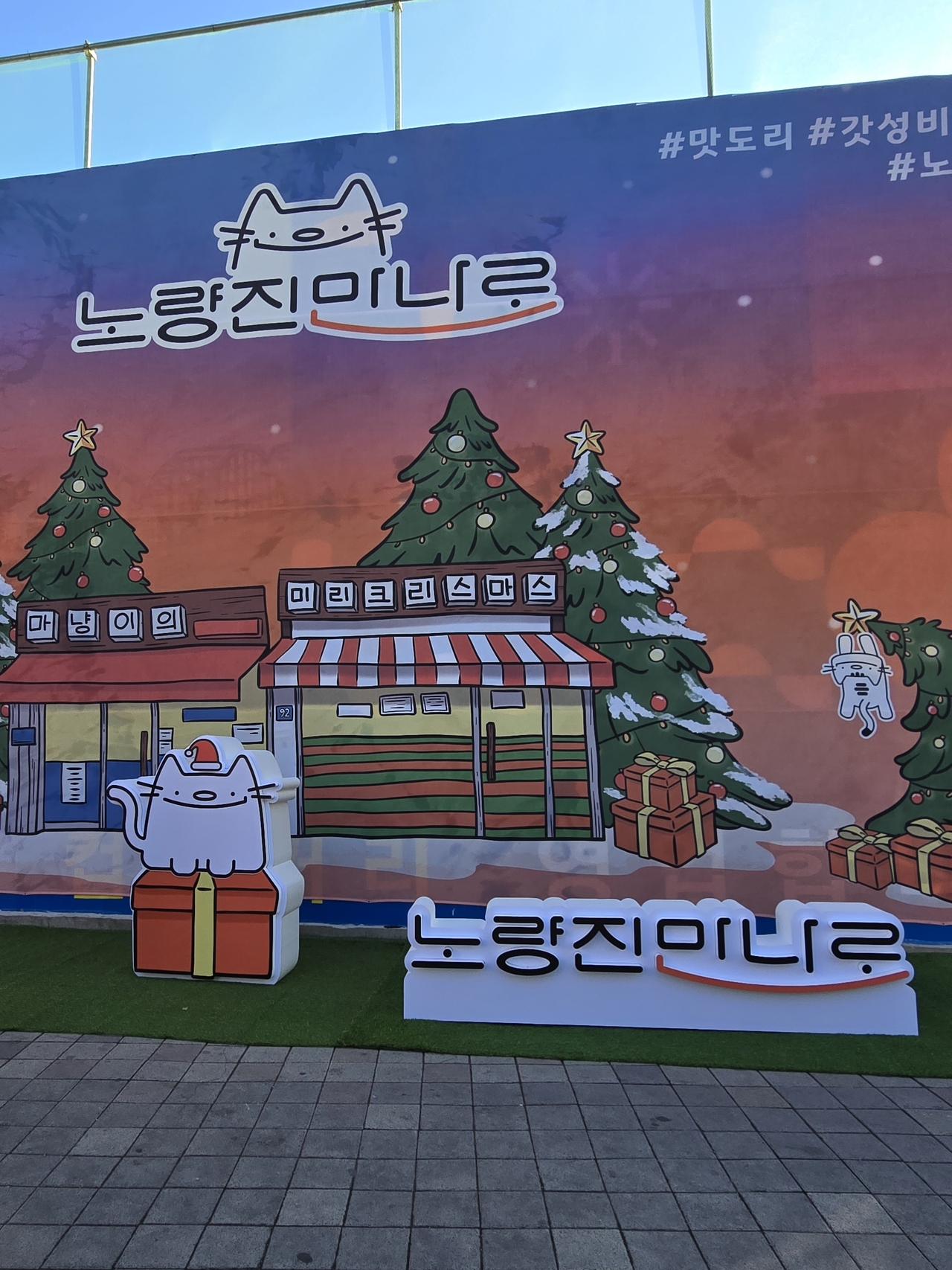
A festival called "2026 Bulkkot Manyang" filled the streets of Noryangjin Mannaro in Noryangjin-dong, Dongjak-gu, Seoul on Sept. 4–5. Incandescent lights were strung along the roadside trees, and a photo wall was set up for visitors. The street's mascot character, "Manyangi," greeted tourists at every turn, and a short-form video challenge contest tied to the mascot ran around the festival period. The videos produced for the contest racked up high view counts across Instagram, YouTube, TikTok and other SNS platforms. The festival was held after the district was selected in January for the Seoul Metropolitan Government's "2026 Local Brand Commercial District Development Project."
Ji Jun-young, chair of the Noryangjin Mannaro Alley-type Shopping Street Merchants' Association, said the festival had been running since 2024 but had previously drawn only local residents. "After we were selected as a Seoul local brand district and actively promoted the area, far more visitors started coming from outside the neighborhood this year," Ji said.
Buoyed by the September festival's success, merchants at Noryangjin Mannaro are holding a second event — "Early Christmas with Manyangi" — from Nov. 27 to Nov. 29. Ji said foot traffic has been rising along with sales. "With merchants participating voluntarily, we plan to build the Noryangjin Mannaro Festival into something that draws even more people next year," Ji said.
The Noryangjin Mannaro story reflects the broader results of the Seoul Metropolitan Government's Local Brand Commercial District Development Project, which was launched to breathe new life into struggling alley shopping areas. As more people have been drawn into these neighborhoods, once-stagnant districts are seeing renewed energy and rising sales.
According to the Seoul Metropolitan Government, the project identifies alley districts with untapped local history, culture and other distinctive content, then develops them into recognizable "brands." The city's goal goes beyond simple facility upgrades or one-off subsidies: it aims to build each alley's own identity, raise its public profile and ultimately transform it into a self-sustaining commercial district that residents and visitors seek out on their own.
The Seoul Metropolitan Government launched the project in 2022. The first cohort included five districts: Jangchungdan-gil in Jung-gu, Hanul-gil in Mapo-gu, Seonyurowun in Yeongdeungpo, Oryubeodeul in Guro-gu and Yangjae-cheon-gil in Seocho-gu. In 2023, the second cohort added Gyeongchun Line Gongneung Forest Trail in Nowon-gu and Yongmaru-gil in Yongsan-gu. In 2024, the third cohort brought in Sharosu-gil in Gwanak-gu and Chemi Street Gangnam Station in Seocho-gu. The city provided each of the nine first- through third-cohort districts with up to 2.5 billion won ($1.88 million) over three years.
Last year's fourth cohort added four districts — Saillo-ro in Gangbuk-gu, Hoegi-rang-gil in Dongdaemun-gu, Sangbong Food Alley in Jungnang-gu and Seongbuk-dong-gil in Seongbuk-gu — and this year's fifth cohort added another four: Noryangjin Mannaro in Dongjak-gu, Magok Art Street in Gangseo-gu, Konkuk Entrance Cheongjun Boulevard in Gwangjin-gu and Gwanghui-dong Central Asia Street in Jung-gu. The eight fourth- and fifth-cohort districts each receive up to 1 billion won over two years.
Working with individual district offices and the Seoul Credit Guarantee Foundation, the city pursues development in three stages. The first stage focuses on building foundations — discovering local brands, establishing merchant networks and developing commercial infrastructure. The second stage cultivates the district's ability to sustain itself through local brand development, cooperative growth initiatives and commercial revitalization programs. The third and final stage is designed to make the district self-sustaining over the long term, through local brand reinforcement, advanced commercial development and the nurturing of locally rooted entrepreneurs.
Lee Nam-ju, chair of the Seongbuk-dong-gil Merchants' Association — selected as a fourth-cohort district last year — said the area's shops had long been tucked away in scattered alleys, making them hard to find and difficult to network. "But after being selected as a local brand development district last year, merchants recognized that change was needed, and this year we have been refining our approach and starting to see results," Lee said.
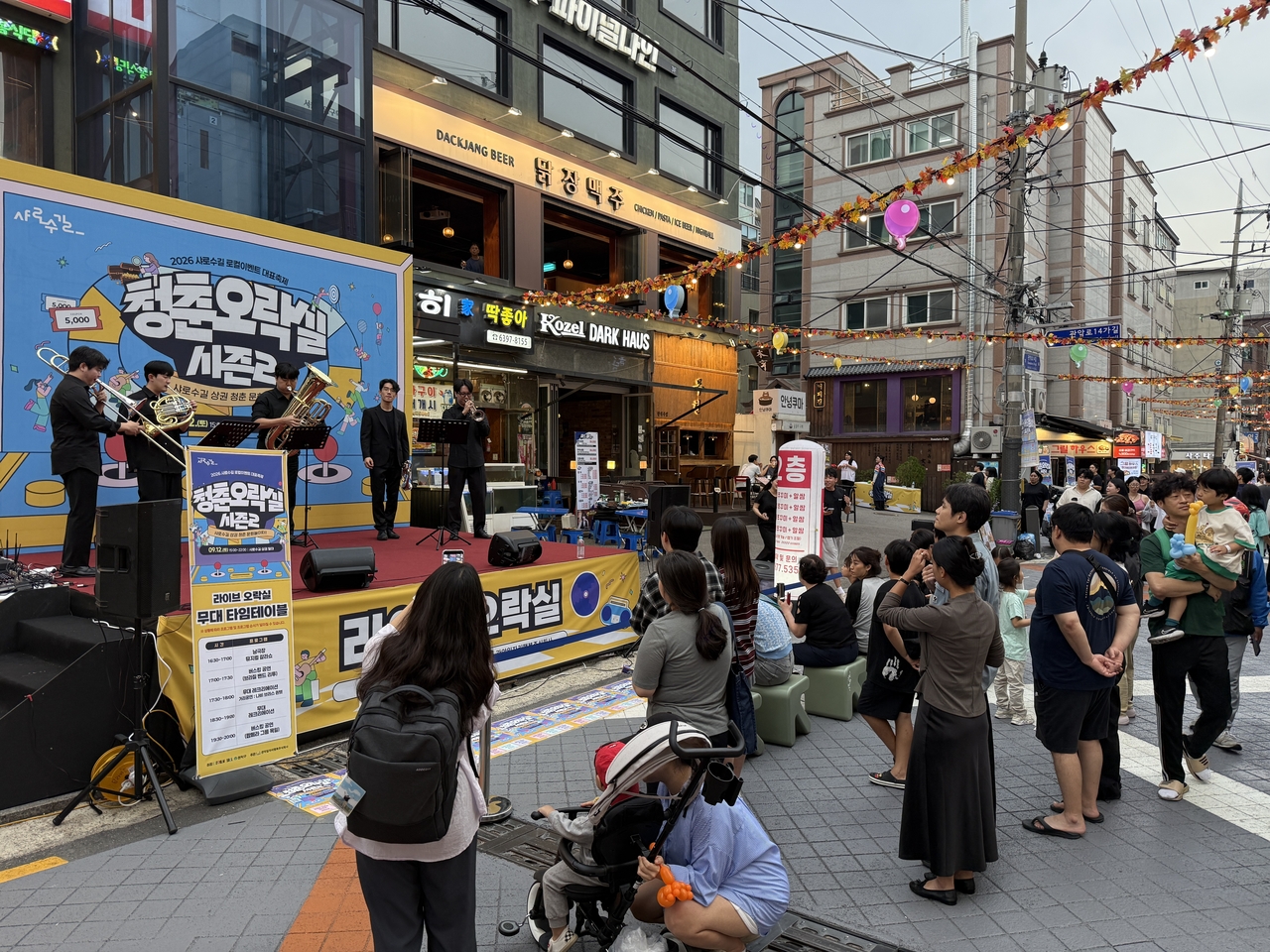
This autumn, all 10 districts held festivals that produced tangible results. Drawing on each neighborhood's distinctive character — outdoor drinking culture in Konkuk and Hoegi, art in Magok, alley travel in Seongbuk-dong and global cuisine in Gwanghui-dong — the festivals offered a range of programs including busking performances, flea markets and discount coupons redeemable at participating shops.
According to the Seoul Metropolitan Government, the 10 districts together drew about 243,100 visitors during the local brand autumn festival period, a 54 percent increase over the normal foot traffic of about 158,200. The "2026 Chemi Street Gangnam Station Festival," held Sept. 5–6, saw attendance surge 116 percent above normal levels, drawing about 24,000 visitors. The second Saillo-ro Local Events Festival on Oct. 31 also attracted about 22,700 visitors.
The higher foot traffic translated directly into stronger sales. The "2026 Konkuk Cheongjun Itgil Local Events Festival," held from Oct. 29 to Nov. 6, generated more than 500 million won in sales. The Chemi Street Gangnam Station Festival produced nearly 300 million won in sales.
A Seoul Metropolitan Government official said each alley district's unique appeal — whether outdoor dining, gastronomy or the arts — had been channeled into a diverse and distinctive program developed together with local merchants. "We will continue to provide unwavering support so that citizens can find charming, 'worth-revisiting' commercial districts right in their own neighborhoods," the official said.
ikson@heraldcorp.com