Road heating cables extended from 12.7 km to 15.7 km, boosting coverage on steep, snow-prone stretches
Main arterial snow-removal routes expanded from 6 to 9, enabling faster initial response
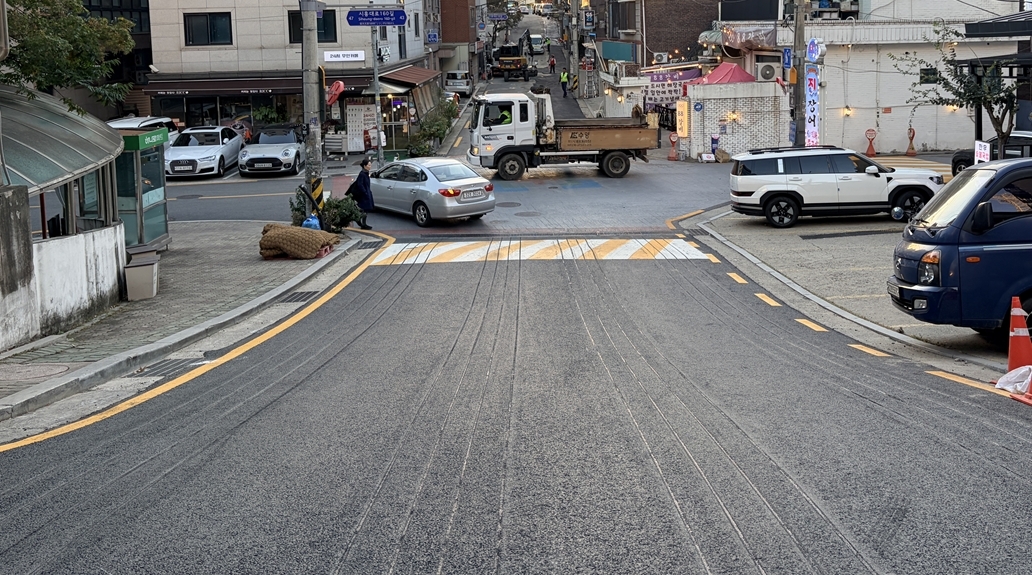
Gwanak-gu is ramping up its snow-removal infrastructure and field response systems ahead of winter, expanding its smart road heating cable network and restructuring snow-clearing routes to get ahead of heavy snowfall and road icing.
The district sits at the foot of Gwanaksan and has many steep roads and stretches that are difficult for snow-removal vehicles to access.
The challenge is particularly acute given that a record 41.2 centimeters of snowfall was recorded in the district in November 2024, making proactive preparation against sudden heavy snow and road icing a priority.
In response, the district designated Nov. 15 through March 15, 2027 as its winter snow-removal preparedness period and has activated its disaster safety response headquarters. The headquarters, led by the district mayor, comprises 13 task units operating a five-level response system based on weather conditions, with a 24-hour disaster safety operations center and CCTV monitoring overseeing all snow-clearing work.
The district has added 3.03 kilometers of smart road heating cables at 14 locations — including steep sections where snow-removal vehicles struggle to operate — bringing the total network from 12.7 kilometers to 15.7 kilometers. The expansion is intended to prevent road icing on vulnerable stretches and improve early-response capability when snow begins to fall.
To respond more quickly to localized snowfall, the district has also broken down and restructured its main arterial snow-removal routes from six to nine. By reducing the length each route covers, the district aims to cut the target completion time for a single snow-clearing pass to one hour, while improving the efficiency of personnel and equipment deployment.
The district has also purchased new equipment to replace aging machinery, including two 15-ton spreaders, five 1-ton spreaders and two snow plow blades. Using the restructured routes and new equipment, the district plans to prioritize clearing major roads — including bus corridors — to minimize disruption for residents.
Gwanak-gu is also strengthening its community-based snow-removal cooperation network. The district will work with local residents, civic groups, volunteers and private snow-removal response teams, and plans to promote the "clear snow in front of your home" campaign through a photo-certification event for participants and by supplying snow-melting agents to apartment complexes.
In addition, the district will use its official SNS channels to provide regular updates on snow-removal progress and guidance on what residents should do, helping the public quickly assess snowfall and traffic conditions and strengthening communication with the community.
Gwanak-gu has won an excellence award for two consecutive years in the Seoul Metropolitan Government's comprehensive snow-removal preparedness evaluation, earning recognition for its winter disaster response capabilities.
The district received particularly high marks for expanding automated snow-removal facilities such as road heating cables on steep slopes and chronic icing zones, taking into account its topographical characteristics, and for building a resident-centered snow-removal cooperation system.
"We have significantly strengthened our snow-removal infrastructure and response systems to prepare for sudden heavy snowfall and road icing this winter," Gwanak-gu District Mayor Park Jun-hee said. "We will focus all of our administrative capacity on thorough advance preparation and rapid on-site response so that residents can travel with peace of mind."
seouldream01@heraldcorp.com