Nvidia maintained 'business relationship' line for 13 months before Huang admitted affair on Nov. 6
Board reversed course after second affair emerged the following day
CEO of 33 years stepped down within 24 hours
Board had expressed full confidence — until the second relationship came to light
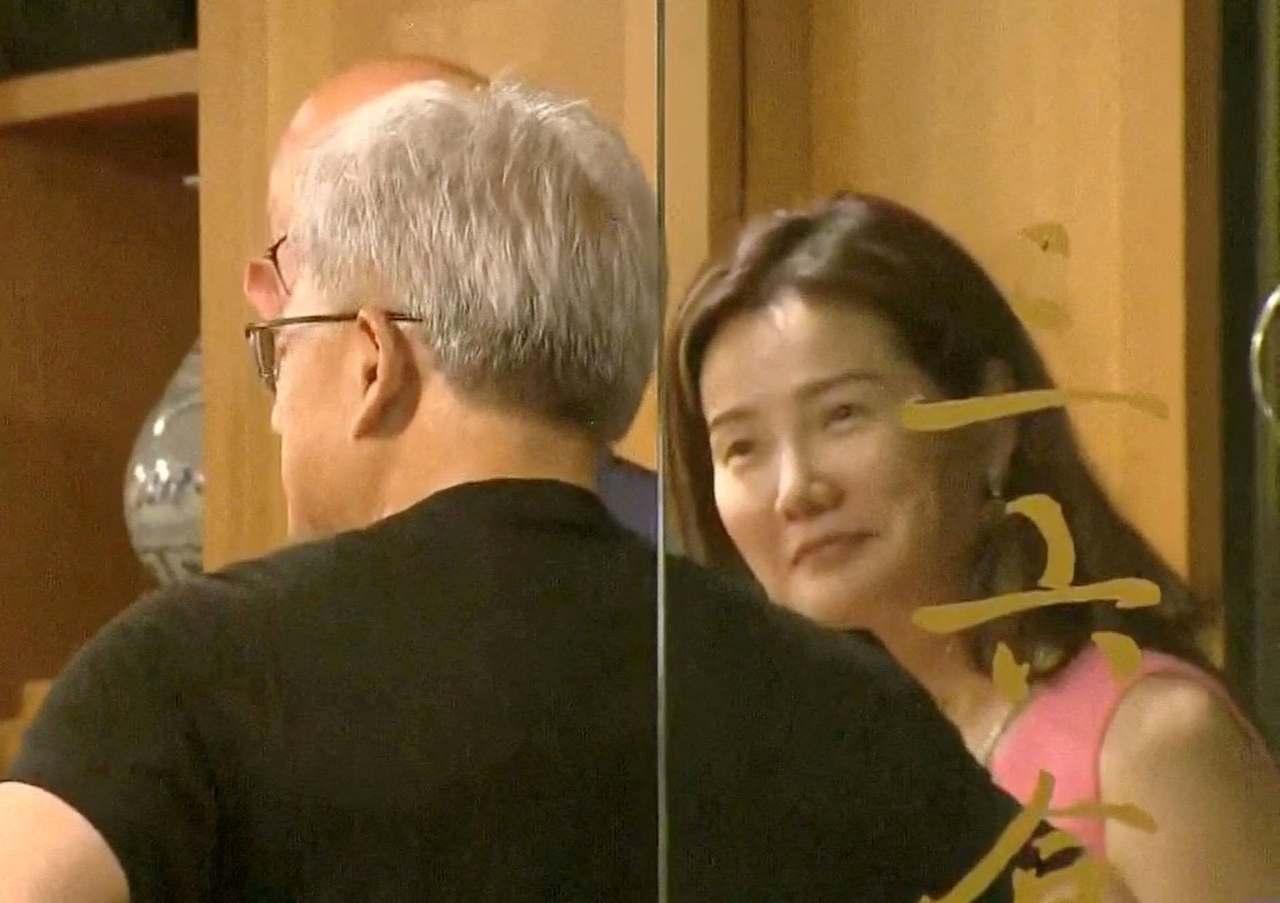
Jensen Huang, 63, the founder who built Nvidia into the world's first company to surpass $5 trillion in market capitalization, has stepped down as CEO after 33 years at the helm. What ultimately brought him down was not the affairs themselves but the repeated lies he told to conceal them. The board initially expressed confidence in Huang even after confirming the first affair, but reversed course and in effect forced him out once a second relationship and his deception came to light.
The story began with his relationship with Alice Huang, a Chinese national and former executive at Megaspeed, a Singapore-based data center company. Megaspeed was among the largest buyers of AI semiconductors in Southeast Asia, purchasing more than $2 billion worth of Nvidia products over a single year. US authorities have long suspected the company of diverting chips to China.
The New York Times first asked Nvidia about the relationship in September last year, but the company — mobilizing crisis communications firm Heller at the direction of Madison Huang, Jensen Huang's daughter and chief of staff — pushed back, calling it "simply a business relationship," the Times reported Sunday (local time). Huang maintained that position for 13 months.
He held the same line even after the Times reported in late October that US intelligence agencies had assessed Alice Huang as an agent working on behalf of Chinese intelligence. Huang expressed displeasure at the allegations and told Bloomberg in an interview that his relationship with her was "a normal business relationship" and that all interactions "were completely normal and nothing special or unusual."

The situation shifted on Nov. 6, when The New York Times and the Financial Times reported that US authorities viewed the two as romantically involved. Shortly after the reports were published, Nvidia's chief legal officer Tim Teter visited Huang's home in Woodside, California, where Huang acknowledged the affair. He told senior company executives, however, that Alice Huang was "the only person" with whom he had been involved outside his marriage.
In response, the board said Nov. 8 it had retained outside counsel to conduct an independent investigation while declaring it had "full confidence in Jensen Huang." Huang also sent a message to employees acknowledging the affair and apologizing. "I was unfaithful to my wife. My actions have hurt her and our children," he wrote. "There is no excuse for what I did. I am truly sorry."
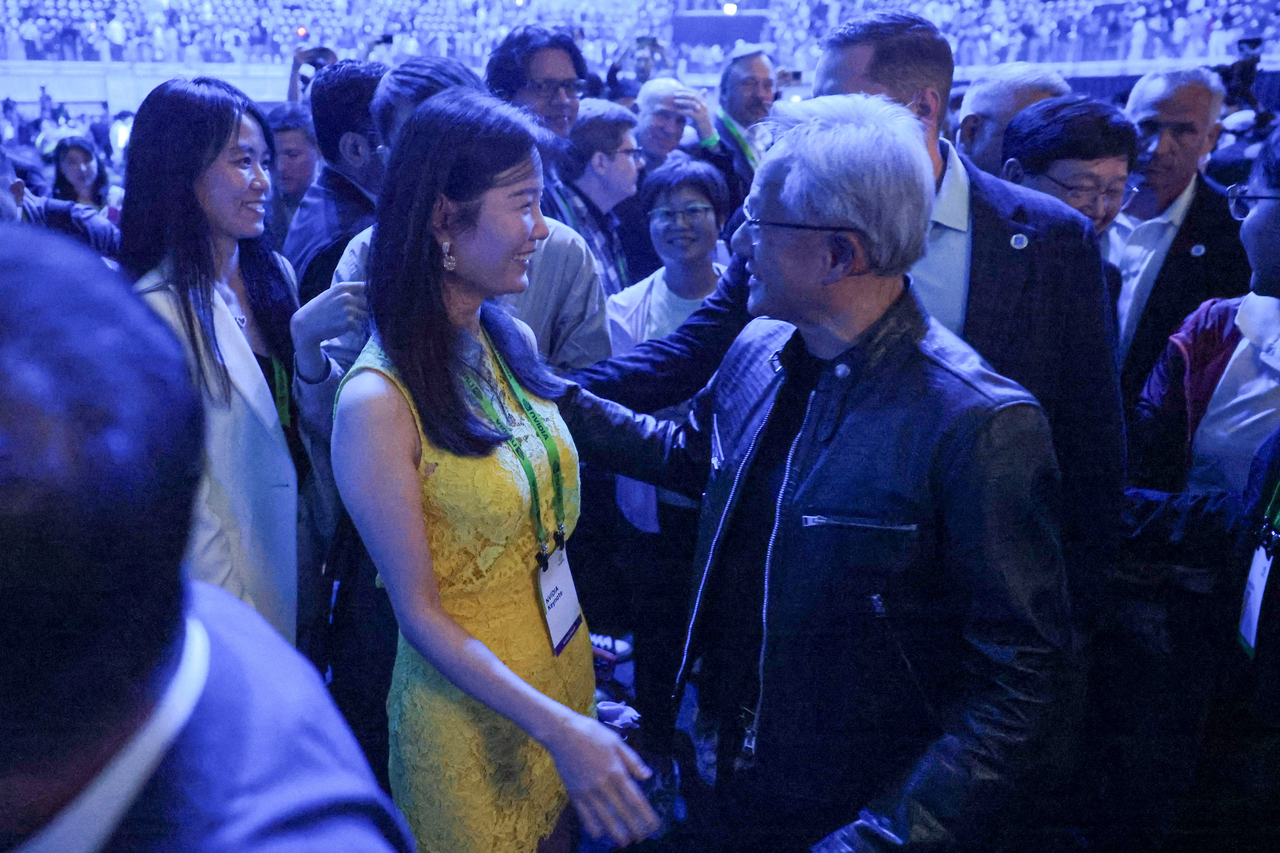
In the immediate aftermath of his admission, Huang received a wave of public support. Elon Musk, CEO of SpaceX, Sam Altman, CEO of OpenAI, and Larry Fink, CEO of BlackRock, all offered words of encouragement. President Donald Trump called Tuesday with a single word: "Fight."
The reversal came the next day. On Wednesday, a Times reporter called Huang to ask about a second extramarital relationship — this one with Kimberly Powell, a direct subordinate and vice president of Nvidia's healthcare division. The Times reported that the two had been captured on camera in an intimate moment at the company's annual conference in San Jose earlier this year.
Nvidia declined to comment. Reached by phone, Huang said, "I don't think it's appropriate for you to contact me directly," and hung up — neither denying nor confirming the allegations, but ending the conversation by objecting to the manner of contact.

The board convened an emergency meeting immediately. All 10 directors except Huang participated remotely from separate locations; four of them were independent directors who had served on the board for roughly 30 years.
The decisive factor was that Huang's earlier assurance — that there had been no other affairs — had proven false. The first relationship involved a customer contact; the second, a direct subordinate. Together, they amounted to a violation of the code of conduct Huang himself had championed. In the world of corporate governance, the gravest offense a CEO can commit is lying — and lying in a moment of crisis is grounds for dismissal. Even longtime board allies withdrew their trust in the face of repeated deception.
According to Bloomberg, Huang was in deep shock Wednesday night and called himself "a piece of garbage." Nvidia announced his resignation Thursday morning, with Chief Financial Officer Colette Kress stepping in as interim CEO. Reuters reported the same day that there were allegations of yet another affair with a different employee.
The fallout is spreading beyond Nvidia. The Trump administration is reviewing AI technology export regulations, and Treasury Secretary Scott Bessent said the Treasury Department had urged the Commerce Department for months to tighten restrictions.
Huang also faces the prospect of a rigorous national security investigation and its consequences. In a statement Thursday, Sen. Elizabeth Warren said Huang's resignation did not "relieve him of accountability for actions that endangered national security or potential violations of the law."
In a Bloomberg TV interview last month, Huang had said of the CEO role that it "should not be easy" and "should not be something you take for granted," adding that he hoped to remain with Nvidia for another 20 years. That hope ultimately collapsed under the weight of a secret kept for more than a year and the lies told to protect it.
mokiya@heraldcorp.com