Presidential fiscal planning aide Ryu Deok-hyeon speaks on SBS Radio
'Fund subject to National Assembly review and approval'
Local allocation tax to rise 10% next year, aide says
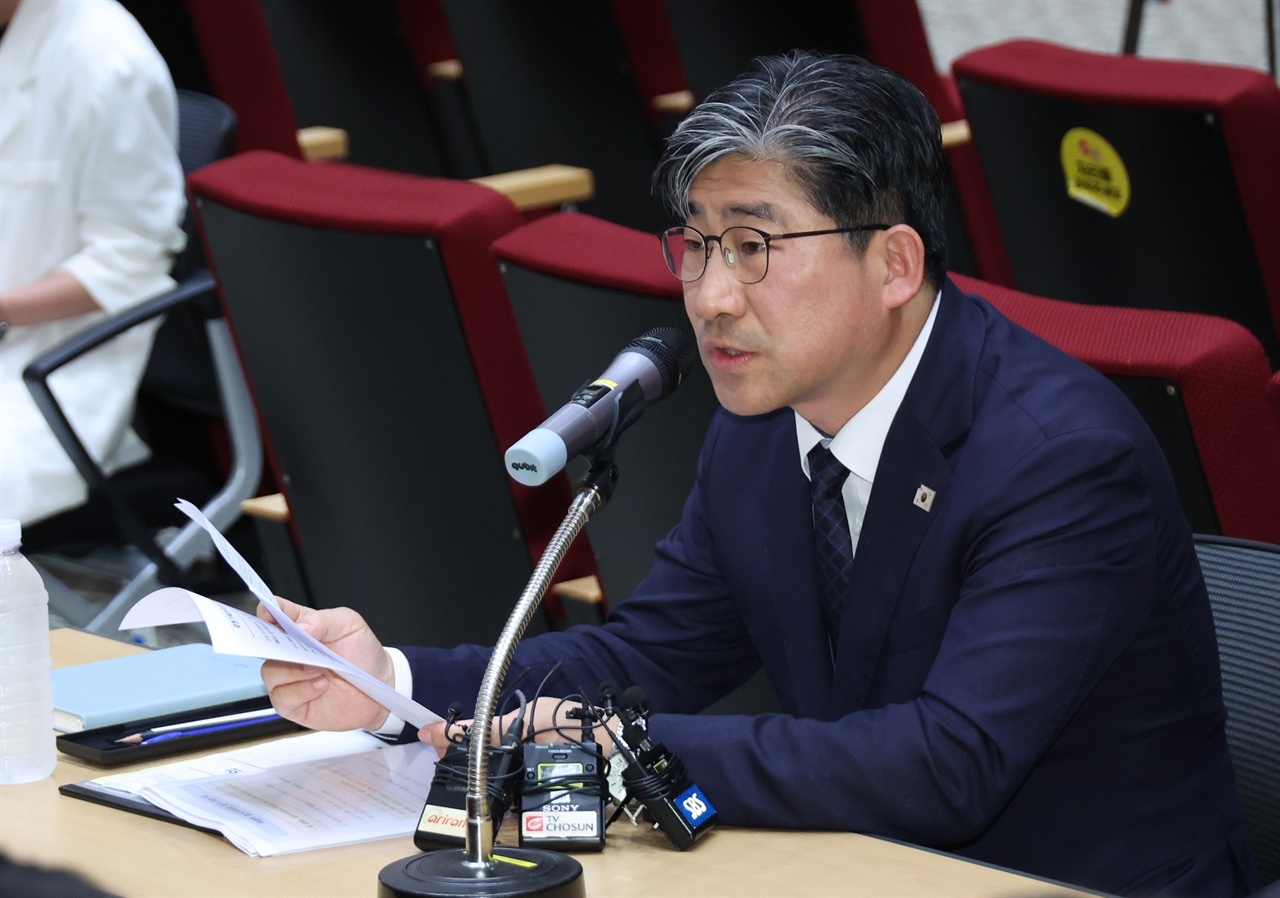
Ryu Deok-hyeon, the Cheong Wa Dae fiscal planning aide, on Friday rebuffed criticism that the government could use the 162 trillion won ($122 billion) "Future Response Fund" — to be built on projected tax revenue growth driven by a semiconductor industry boom — as a personal slush fund, saying the fund falls squarely under National Assembly oversight.
Appearing on SBS Radio that day, Ryu shrugged off the opposition-led criticism as "completely impossible," saying the Future Response Fund "is within the scope of the government budget and cannot avoid going through National Assembly deliberation and budget approval."
On concerns that lawmakers could tap the fund for constituency projects, Ryu said projects consistent with the fund's stated purposes could be accommodated through normal budget procedures. He noted the fund carries four accounts — covering future preparedness, youth, regional development and education — and said needs could "be reflected if necessary through the normal budget deliberation process in the National Assembly." He drew a line, however, at the prospect of the fund being diluted by pork-barrel "note budgets," saying flatly: "That will not happen."
The Future Response Fund was established to prepare for future fiscal demands on the back of projected tax revenue growth tied to the semiconductor industry boom.
Ryu also flagged the possibility of swings in the semiconductor cycle, saying "the global economy does not sustain its cycles indefinitely — a big cycle comes, and there can be a downturn afterward." He said the fund's accumulation structure would remain stable for roughly the next three years, but added that sustainability beyond that point would be secured through investment returns on the fund, other revenue sources and expenditure restructuring.
He said the Future Response Fund is not simply a vehicle for stockpiling surplus tax revenue, but a fiscal innovation platform designed to break free from what he called "rain-fed fiscal management" — a system in which spending fluctuates with tax receipts.
Ryu also pushed back on concerns that the fund would reduce local allocation tax transfers to regional governments, calling such fears unfounded. "A roughly 10 percent increase in local allocation tax next year is already reflected in the budget," he said. The increase is intended to expand fiscal support for locally driven growth. He added that the government and the National Assembly are working together on measures to "specially reinforce local finances" and that "there are plans to reinforce far more than people might expect."
Ryu also cited a plan to channel 2 trillion won from the Future Response Fund toward fire department finances as part of the broader effort to strengthen local fiscal capacity. "There is nationwide attention and concern about fire safety," he said, adding that routing fire service personnel costs through the Future Response Fund "will free up room in other areas."
sang@heraldcorp.com