Sekihara Sho rushed to hospital after TKO loss at RIZIN 55
Fighter had survived subdural hematoma four years ago before returning to cage
Still unconscious after two surgeries; father says 'he is still fighting'
Korean boxers Kim Duk-koo, Choi Yo-sam also died from in-fight brain hemorrhages
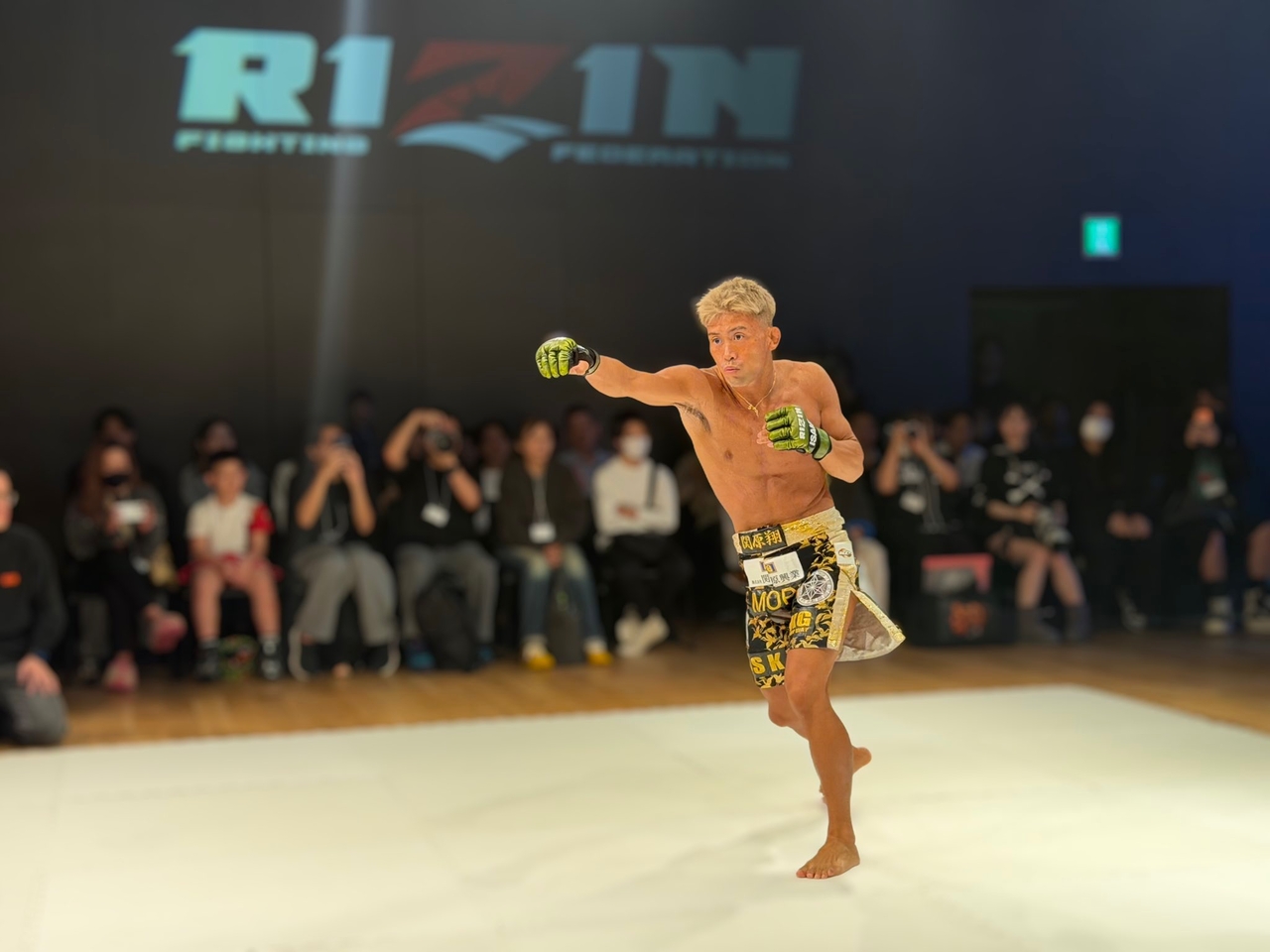
A Japanese mixed martial arts fighter who had survived a life-threatening brain hemorrhage four years ago and returned to competition is again fighting for his life after suffering a severe head injury during a bout.
Japanese MMA promotion RIZIN announced Thursday that Sekihara Sho, 33, had undergone two emergency surgeries for acute subdural hematoma but remained in critical condition.
Sekihara suffered a TKO loss to Hamada Takumi, 31, at the 4-minute, 56-second mark of the third round in the second bout of RIZIN 55, held Sunday at LaLa Arena Tokyo Bay in Chiba Prefecture, Japan. He absorbed heavy strikes throughout the fight, staggering badly and bleeding from the nose after taking a right hook from Hamada in the second round, yet continued to compete.
Near the end of the third round, Hamada lifted Sekihara and slammed him to the mat, causing the back of his head to strike the canvas hard. Hamada then followed up with ground-and-pound strikes, and the referee stopped the fight with four seconds remaining. Sekihara could not rise on his own afterward. Medical staff carried him out of the arena on a stretcher, and he was rushed to the Chiba General Emergency Medical Center nearby.
RIZIN CEO Sakakibara Nobuyuki initially told reporters at a post-event press conference that Sekihara's condition was not life-threatening. Sekihara then lost consciousness from acute subdural hematoma and required emergency surgery. He narrowly survived the first operation, but his condition deteriorated sharply the following morning, requiring a second surgery. Four days later, on Thursday, RIZIN said his prognosis remained uncertain and that he was still in a serious condition.
Subdural hematoma is a condition in which bleeding occurs beneath the dura mater — the membrane surrounding the brain — causing blood to pool. In severe cases, the accumulated blood compresses the brain, leading to loss of consciousness and life-threatening complications.
This is not the first time Sekihara has faced such a crisis. In May 2022, he suffered a subdural hematoma while competing in a bout for Japanese MMA organization DEEP, bringing him to the brink of death. The injuries were severe enough to cast doubt on whether he could ever fight again, but after a lengthy course of treatment and rehabilitation he prepared for a comeback. Returning to the cage in May 2024, he won three consecutive bouts to prove his competitive edge, and in August last year he defeated former Pancrase champion Kitakata Daichi by decision.
Now, four years after his first brain hemorrhage, Sekihara faces a fight not just for his career but for his life. MMA media outlet MMA Mania raised questions about the medical safety of allowing a fighter with a history of severe brain injury to return to competition.
Sekihara's father, Sekihara Masamichi, conveyed a message through RIZIN asking for support for his son's recovery. "My son is still fighting, even now that the bout is over," he said. "I keep telling him, 'You're not the kind of man who gives up.' Please pray that he regains consciousness as soon as possible."
South Korean boxing has also seen tragedies in which fighters lost their lives to brain hemorrhages sustained in the ring. Kim Duk-koo collapsed from a brain hemorrhage after suffering a 14th-round KO loss to Ray Mancini in a WBA lightweight title fight in Las Vegas in 1982 and died four days later. Choi Yo-sam won a decision in a WBO Intercontinental flyweight title defense in December 2007, but collapsed after taking a punch just before the final bell. He underwent surgery for acute subdural hemorrhage but never regained consciousness and died in January 2008.
yjc@heraldcorp.com