Board announces abrupt departure; Colette Kress named interim CEO as formal search begins
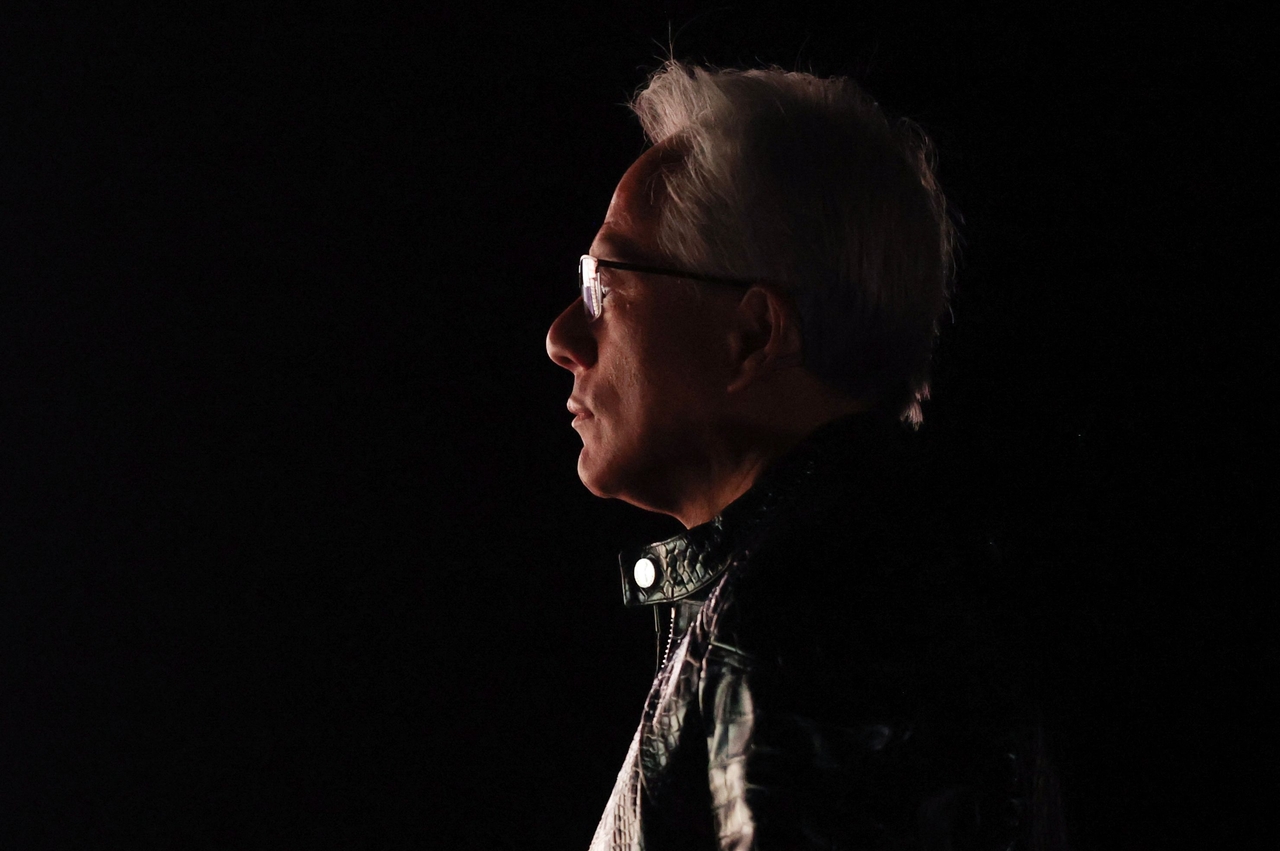
Nvidia CEO Jensen Huang stepped down Thursday after a cascade of scandals, including allegations that he had ties to a suspected Chinese spy, ending a 33-year run atop the AI chipmaker he co-founded.
The Nvidia board announced in a statement that Huang had resigned immediately from his roles as president, CEO and board director.
While the board used the word "resigned," the move is widely seen as an effective dismissal. The Wall Street Journal, Bloomberg and other major financial outlets reported that Huang had been ousted.
The board convened Thursday to discuss Huang's future at the company. It expressed gratitude for his "immeasurable contributions to the company and the industry" but did not disclose the specific reasons for his departure or say what role, if any, he would play going forward.

The board named Colette Kress, Nvidia's CFO and executive vice president, as interim CEO and said it had begun a formal search for a permanent successor, considering both internal and external candidates.
Kress joined Nvidia in September 2013 and has overseen its finances since. Before that, she spent about 25 years in finance roles at major technology companies including Cisco and Microsoft.
"Together with our leadership team, I will build on the exceptional foundation Jensen established over 33 years," Kress said, adding that she would continue advancing the work that made Nvidia a leader in accelerated computing and AI.
Alongside the leadership transition, the board appointed Harvey C. Jones as the company's first-ever board chair. Jones, who previously served as CEO of chip design software firm Synopsys, joined Nvidia's board when the company was founded in 1993.
Nvidia had operated without a dedicated board chair since its founding. The creation of the position, coinciding with the departure of founder Huang, signals a broader shift in the company's governance structure.
"The board has full confidence in Colette and the management team," Jones said. "We expect the company's operations, commitments to customers and product development plans to continue without interruption."
Huang, 63, co-founded Nvidia in 1993 and led it for 33 years, transforming it into the world's dominant AI chipmaker. Known for his signature black leather jacket and commanding stage presence at major technology events worldwide, he had become one of the most recognizable CEO figures in the global tech industry.

The scandals began when it emerged that Huang had been in a romantic relationship with Alice Huang, a former executive at Singapore-based Megaspeed whom US intelligence agencies suspected of being a Chinese spy.
US authorities are investigating Megaspeed over allegations that it circumvented American export controls to ship Nvidia's advanced AI chips to China. The case has drawn scrutiny on Capitol Hill as well, with lawmakers pushing to examine Huang's alleged involvement and the Trump administration's response to the export control violations.
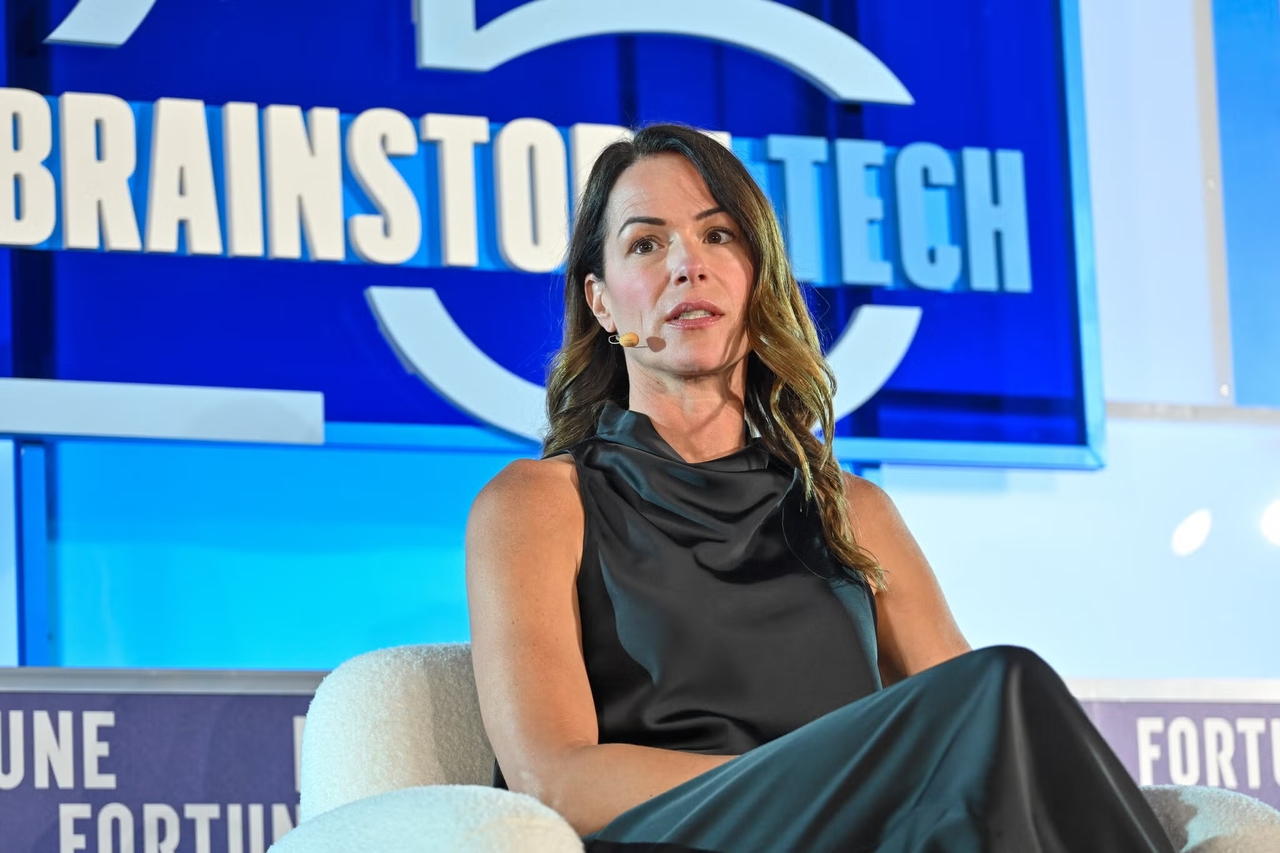
The controversy deepened when reports emerged that Huang had also carried on an extramarital affair with Kimberly Powell, Nvidia's vice president of healthcare, who reported directly to him. Huang ultimately stepped down just four days after acknowledging his relationship with Alice Huang and issuing a public apology on Sunday.
The New York Times described Huang's fall as "the rapid and shocking downfall of one of the most influential figures of the AI boom."
The Washington Post noted that many had been skeptical his position would be threatened even after the Alice Huang relationship came to light, but that the additional reports of an affair with a direct subordinate shifted the mood around his future at the company.
Nvidia now faces the formidable challenge of filling the void left by Huang, who had become virtually synonymous with the company over 33 years. Attention is also turning to the broader implications his sudden exit could have for the global AI chip industry.
Nvidia's share price tumbled more than 10 percent in early trading on the news. The tech-heavy Nasdaq Composite also opened down about 1.5 percent in the wake of the announcement.
Nvidia said it plans to report its fiscal third-quarter 2027 earnings and hold an investor call as scheduled on Tuesday.
yckim6452@heraldcorp.com