LH to sell 7 units in Gwangyo and Yongin Suji from Nov. 23 to 24
Soaring Gwangyo prices push some complexes past loan regulation threshold
Experts warn similar cases likely to multiply in future public-sector sales
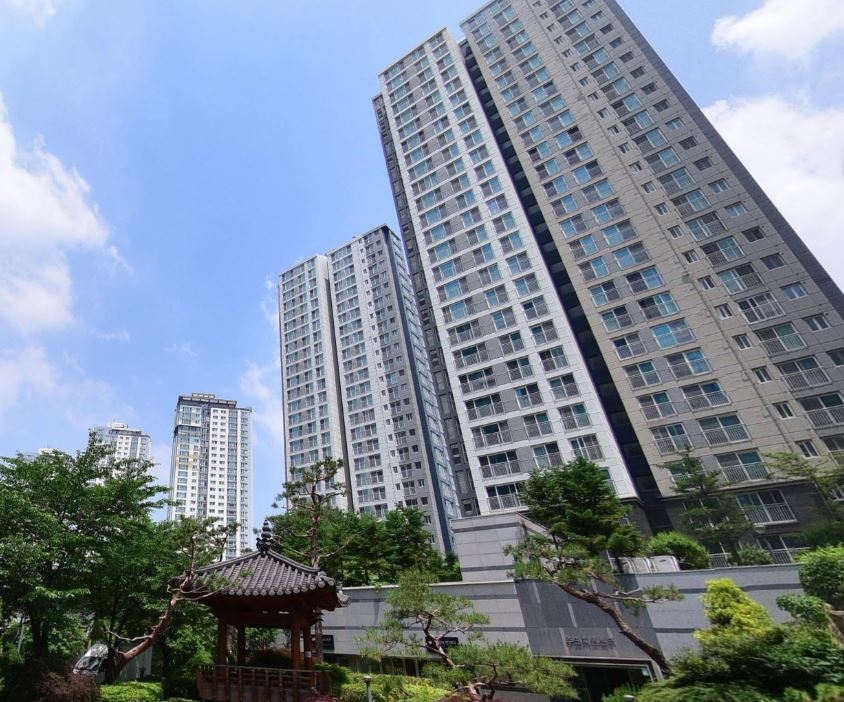
Vacant units held by the Korea Land and Housing Corporation in Gwangyo have hit the market at prices nearly 200 million won below prevailing rates, but industry observers say the opportunity is only half an opening for buyers who rely on mortgage financing — loan caps in the regulated zone make the units effectively out of reach for many end-users. Concerns are growing that even in public-sector apartment sales, surging home prices and tightened lending rules will increasingly shut out ordinary buyers.
LH will conduct open sales of seven units across three complexes from Nov. 23 to 24: two 84-square-meter units at Gwangyo Complex 62 The Reeve in Suwon in the 1.4 billion won range, four units ranging from 84 to 120 square meters at Gwangyo Complex 40 The Forest in Suwon in the 900 million won range, and one 101-square-meter unit at Gwangyo Complex 45 The Hill in Yongin at around 1.4 billion won. LH's open sales of vacant units involve homes originally supplied under a "10-year rental followed by conversion to ownership" scheme that were returned to the corporation after existing tenants chose to vacate. Because no housing subscription account is required to apply and homeowners may also be eligible depending on the unit, these sales are regarded as a niche opportunity for genuine end-users.
The complex generating the most industry interest is The Reeve, which offers the strongest price appeal among the listed units. An 84-square-meter unit at Gwangyo Complex 62 The Reeve last changed hands Nov. 5 at 1.65 billion won ($1.23 million) on the 10th floor, while the sale price for the same floor plan has been set at a maximum of 1.45 billion won — more than 200 million won less.
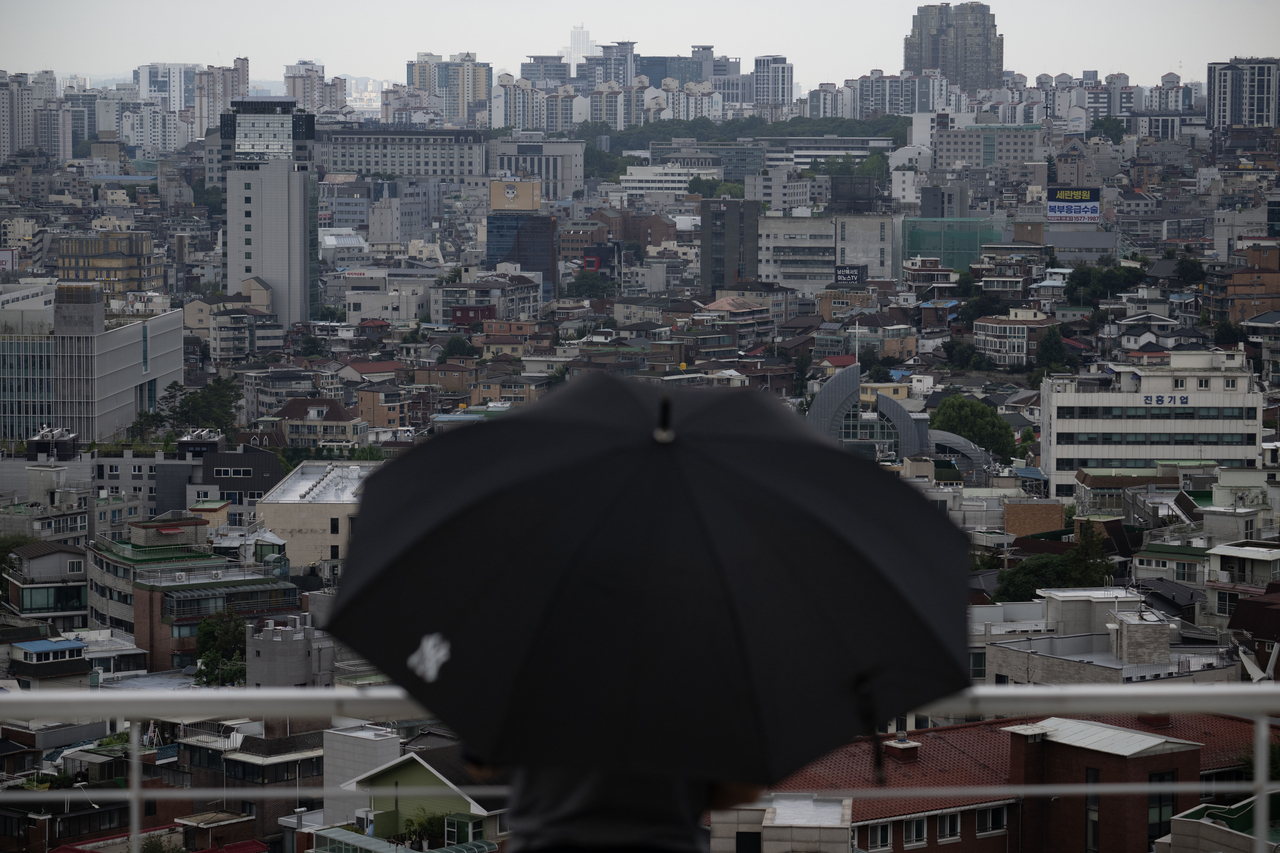
The catch is that lending regulations may still block buyers who depend on mortgages, even at below-market prices. Because vacant-unit sales involve existing homes rather than new pre-sale units, buyers must generally rely on bank mortgage loans. In Suwon's Yeongtong-gu, a regulated zone, the mortgage cap drops from 600 million won for homes priced at or below 1.5 billion won to 400 million won once the price exceeds that threshold. Industry insiders note that even if the sale price stays under 1.5 billion won, buyers could need close to 1 billion won in cash if the bank's assessed market value at the time of loan calculation exceeds that figure.
For the unit in question — based on the 21st-floor listing — the purchase price breaks down into a down payment of 145 million won and a remaining balance of 1.305 billion won. Successful applicants must submit documents by early December, and once a land transaction permit is issued, they must sign the contract within 10 days and pay the full balance in a lump sum within 90 days of signing.
LH flagged the issue in its public notice, stating that "individual loan amounts may be restricted, so applicants must confirm their housing financing arrangements in advance," and that "any penalties arising from late payment or contract cancellation will be borne by the applicant."
Gwangyo home prices have been climbing steeply as the area draws attention as part of the semiconductor belt. According to the Korea Real Estate Board, the cumulative apartment sale price increase this year in Suwon's Yeongtong-gu — which includes Gwangyo new town — stood at 17.97 percent as of Tuesday, more than double the 7.8 percent rate for central Seoul districts. KB's market price index, widely used by banks to set mortgage limits, put the standard average price of an 84-square-meter unit at Gwangyo Complex 62 The Reeve at 1.545 billion won as of Friday — above the 1.5 billion won threshold at which mortgage caps are reduced.
Experts warn that even in public-sector apartment sales by LH and similar bodies, opportunities may increasingly favor those with greater cash reserves. Yoon Su-min, a senior real estate specialist at NH NongHyup Bank, said that as home prices rise, sales transactions where the supplier is a public entity are also being affected, making it harder for end-users who rely heavily on loans to apply. Yoon added that as similar cases are likely to increase, it is time to examine whether the effects and criteria of lending regulations are keeping pace with reality.
Industry insiders expect demand for the listings to concentrate among those who can meet the owner-occupancy requirement and mobilize cash. Park Ji-min, head of the Wolyong Apartment Subscription Research Institute, said the units carry a price advantage of more than 10 percent relative to the sale price, making them open to applicants from the greater Seoul area, but predicted that interest would center on jeonse tenants in Gwangyo new town or semiconductor industry workers who can arrange cash financing.
hope@heraldcorp.com