Urea peaked in April, stabilized by September
Diammonium phosphate still climbing in September
Strait of Hormuz disruptions rattle supply chains
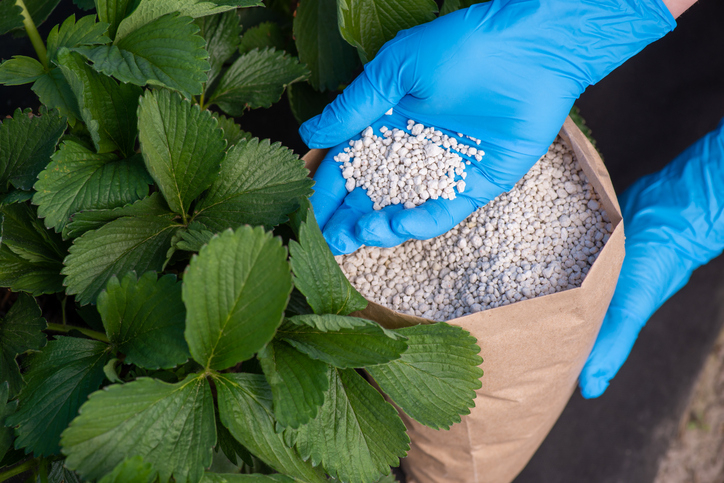
Fertilizer raw material prices are sending mixed signals. While urea prices that soared amid Middle East tensions have returned to pre-conflict levels within five months, the price of diammonium phosphate — a key ingredient in phosphate fertilizers — has climbed more than 29%. The diverging trends are drawing attention to the potential impact on South Korea's agricultural sector.
According to the Korea Rural Economic Institute's report on agricultural and livestock import-export trends for the third quarter of 2026, released Saturday, international urea prices surged from $415.4 per metric ton in January to $856.9 in April — more than doubling in just three months.
Prices then fell sharply. By September, urea had dropped to $407.5 per metric ton, down 52.4% from the April peak. That figure is also 1.9% below the January level, before the Middle East conflict escalated — meaning urea has effectively returned to where it started within five months.
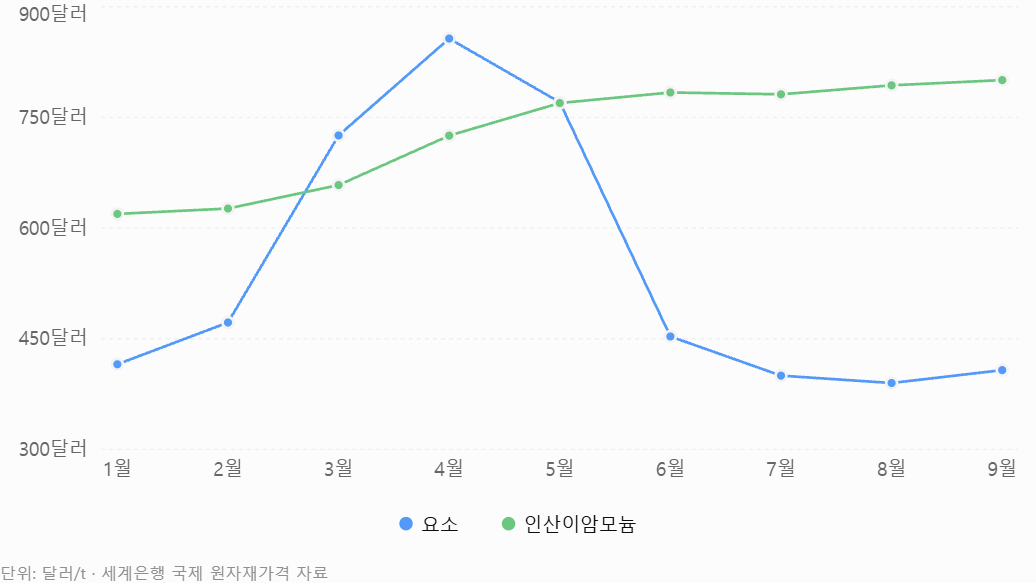
Diammonium phosphate, the raw material for phosphate fertilizers, has moved in the opposite direction. Its price rose from $619.2 per metric ton in January to $769.5 in May, then climbed further to $800.6 in September — a 29.3% increase from the start of the year. Unlike urea, which stabilized after its spike, diammonium phosphate has continued its upward trend.
Both urea and diammonium phosphate are essential raw materials for crop fertilizers. Urea supplies the nitrogen crops need to grow, while diammonium phosphate delivers both nitrogen and phosphorus. Despite their shared importance to agriculture, the two commodities have followed sharply different price trajectories on international markets.
Behind the turbulence in global fertilizer markets lies the Strait of Hormuz, a critical maritime corridor in the Middle East. The strait is a major shipping route not only for crude oil and LNG but also for fertilizer raw materials such as urea and ammonia.
The Middle East accounts for a significant share of global fertilizer supply. According to the World Trade Organization, the Gulf region represented 24.8% of global nitrogenous fertilizer export value and 11.4% of phosphate fertilizer export value in 2024 — meaning roughly one in four dollars of nitrogenous fertilizer exports worldwide originates from the region.
As the Middle East conflict spread from February onward, fertilizer-related shipments through the Strait of Hormuz dropped sharply. A WTO analysis of Automatic Identification System data showed that an index of fertilizer export shipments fell significantly after the conflict began.
However, those figures are based only on vessels whose AIS signals were detected. Ships that switched off their transponders were not counted, meaning actual shipment volumes may be higher than the data suggest.
The key question is how shifts in international fertilizer raw material prices will affect South Korean agriculture. Urea has stabilized, but diammonium phosphate remains elevated. If higher international input costs feed through to domestic fertilizer manufacturing costs and farm-gate prices, they could add to the production cost burden on South Korean farmers.
The report, however, focused on analyzing international fertilizer prices and Middle East logistics disruptions — it did not quantify how much domestic fertilizer prices or farm production costs have actually changed. How far the rise in international raw material prices has been passed through to domestic fertilizer prices remains to be seen.
adastra@heraldcorp.com