City to roll out gap year program, AI interview support and expanded housing aid as part of the mayor's campaign pledges; job links to future industries to be strengthened next year
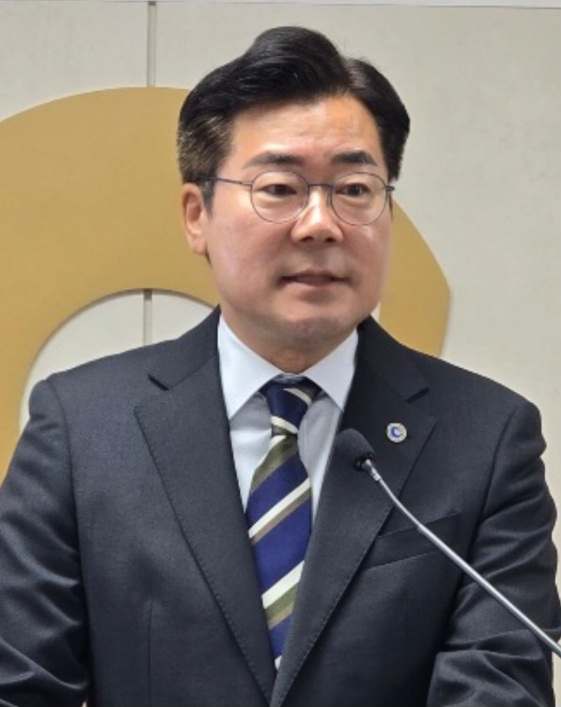
Incheon is expanding its youth policy to help young residents put down roots in the city, with a package spanning career exploration, employment, asset building and housing support.
The city has set the achievement of an average annual salary of 50 million won ($36,900) — a core campaign pledge of Mayor Park Chan-dae — as its policy target, and will focus administrative resources on connecting young people to the city's emerging industries.
The city announced Tuesday it had drawn up a youth policy action plan that introduces new programs from 2027 to help young people enter the workforce while expanding existing employment and livelihood support measures.
A notable feature of the plan is its broadened scope: the existing support framework, which focused primarily on job seekers, has been extended to include young people who have yet to settle on a career direction.
The city will launch a pilot gap year program — an Incheon-style initiative called the "Incheon Youth Future-Finding Pilot Project" — targeting 50 young people who have not decided on a career path or have stopped looking for work. Participants will take part in self-understanding and career-exploration programs and receive support for self-directed projects they plan and carry out themselves.
A further 240 young people who have given up on job hunting or are preparing to live independently will receive in-depth counseling, tailored programs and participation allowances through the Youth Challenge Support Project.
The city will also introduce AI interview support in response to changes in the hiring environment. A dedicated AI mock-interview space will be set up at the Yuyu Giji youth center, offering interview consulting and practical training programs to 300 job-seeking young people to sharpen their ability to handle AI-driven recruitment processes.
Youth employment policy will be linked to the ABC+E future industries the city is cultivating. The flagship "Incheon Youth Launchpad" program will provide 80 unemployed young people with three months of job-skills training tailored to employer demand, followed by a three-month corporate internship placement.
Employment support through the University Job Plus Centers at four universities — Inha University, Incheon National University, Jaeneung University and Inha Technical College — will continue, offering career counseling, skills development, job placement and follow-up services to current students, graduates and local youth, with an annual participation target of 50,000.
To ease the financial burden of job hunting, 360 unemployed young people will receive a monthly job-search allowance of 500,000 won for up to six months via the Dream Check Card, while 5,000 young people will receive up to 100,000 won per year toward language test and certification exam fees. A free interview-attire rental service called Dream Narae will operate at a scale of 5,200 cases per year.
A new program will also provide up to 500,000 won per person in driver's license training costs to 100 young people from basic livelihood recipient households and near-poverty households, to help the most vulnerable build a foundation for employment.
Policies to support economic independence and housing stability after employment will also be strengthened. The "Dream For Youth Savings Account," which helps employed young people build assets, will recruit 300 new participants in 2027. If a participant saves 100,000 won a month for three years — totaling 3.6 million won — the city will match the amount, enabling them to accumulate a lump sum of 7.2 million won.
Monthly rent support will continue as well. Young people aged 18 to 39 who do not own a home and live separately from their parents will receive up to 200,000 won per month for up to 24 months, with those aged 35 to 39 eligible through the Incheon-specific youth monthly rent support program.
Young single-person households who move to Incheon from other regions will receive a welcome kit worth 50,000 won to help them settle into the community, with 1,000 kits to be distributed.
The city will also strengthen youth participation in policymaking by forming an Incheon Youth Policy Network of about 80 members operating across five policy subcommittees, giving young people a channel to identify everyday problems and propose policy solutions.
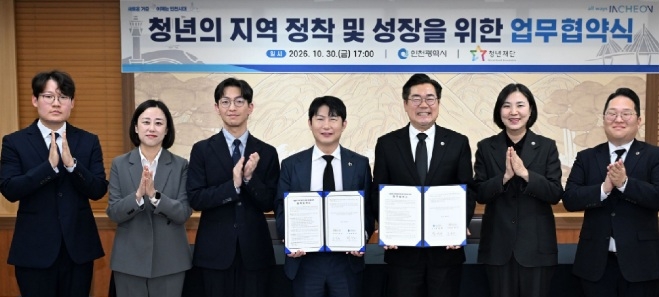
Administrative procedures for establishing the Incheon Youth Foundation in 2027 will proceed alongside reviews of youth fund creation, financing and management plans. The city plans to complete a preliminary consultation with the Ministry of Interior and Safety in the first half of next year, followed by a feasibility review, a youth fund management plan and related ordinance legislation in the second half.
The city also plans to enhance its youth policy subscription service and personalized policy search function so young people can more easily find and apply for the support programs they need.
"The goal of an average annual salary of 50 million won is a commitment to ensure that citizens working in Incheon can enjoy better income and greater opportunities in life," Park said. "We will build a tight-knit support system covering everything from quality job creation to economic independence and stable settlement in the region."
gilbert@heraldcorp.com