"I have several pieces in my own closet … "
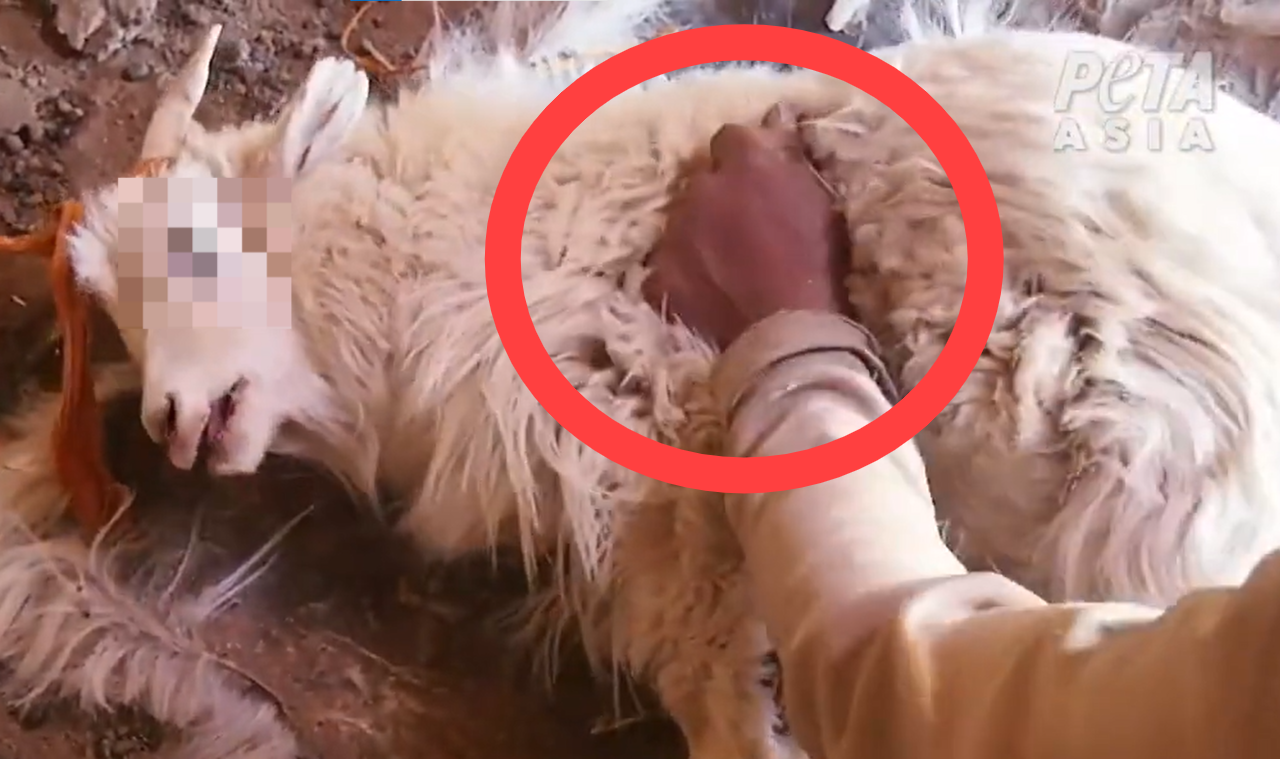
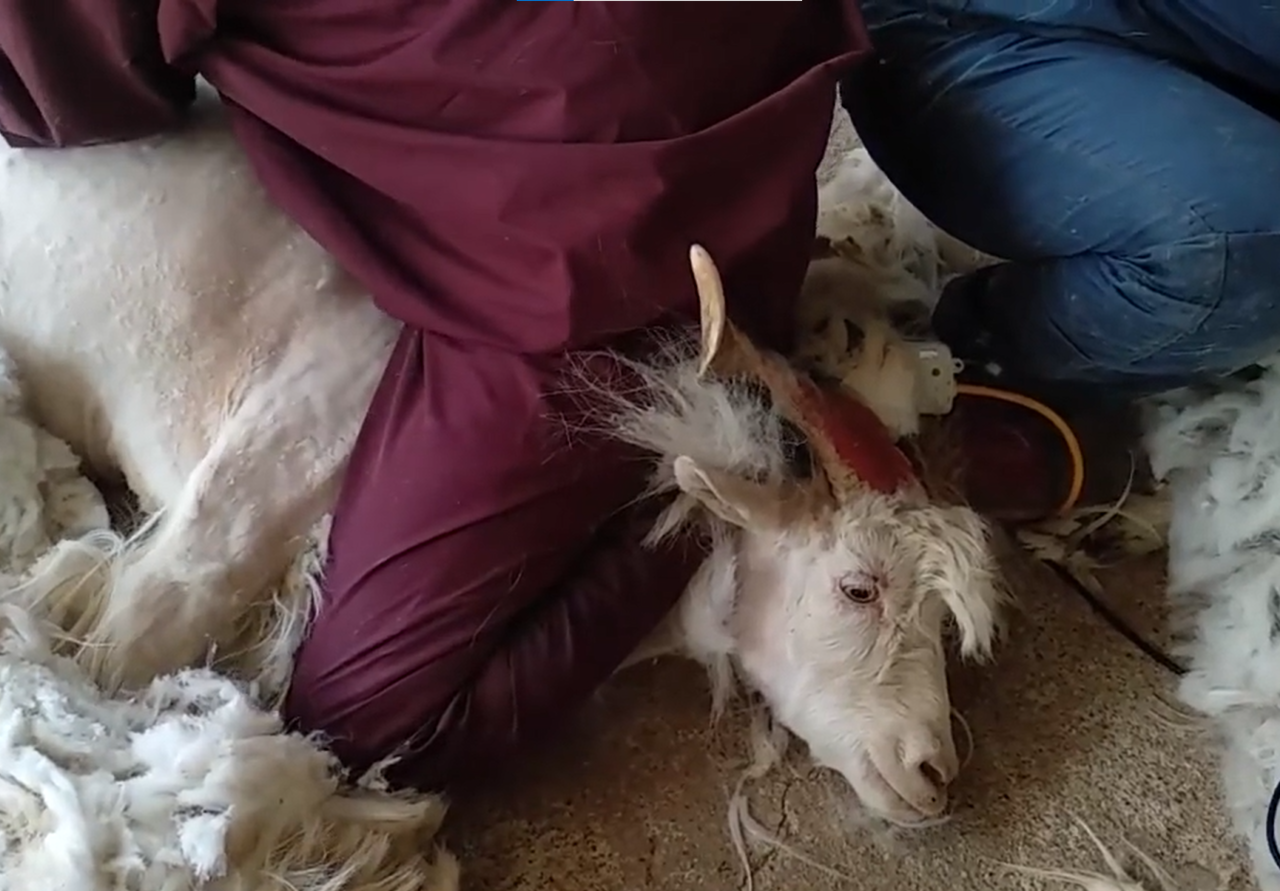
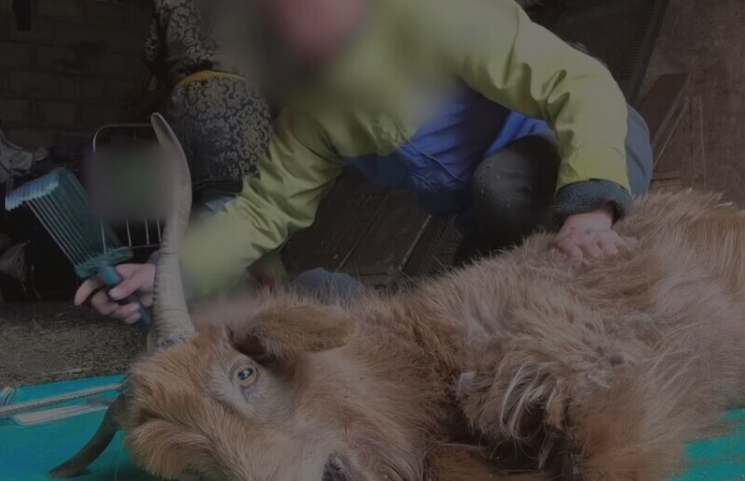
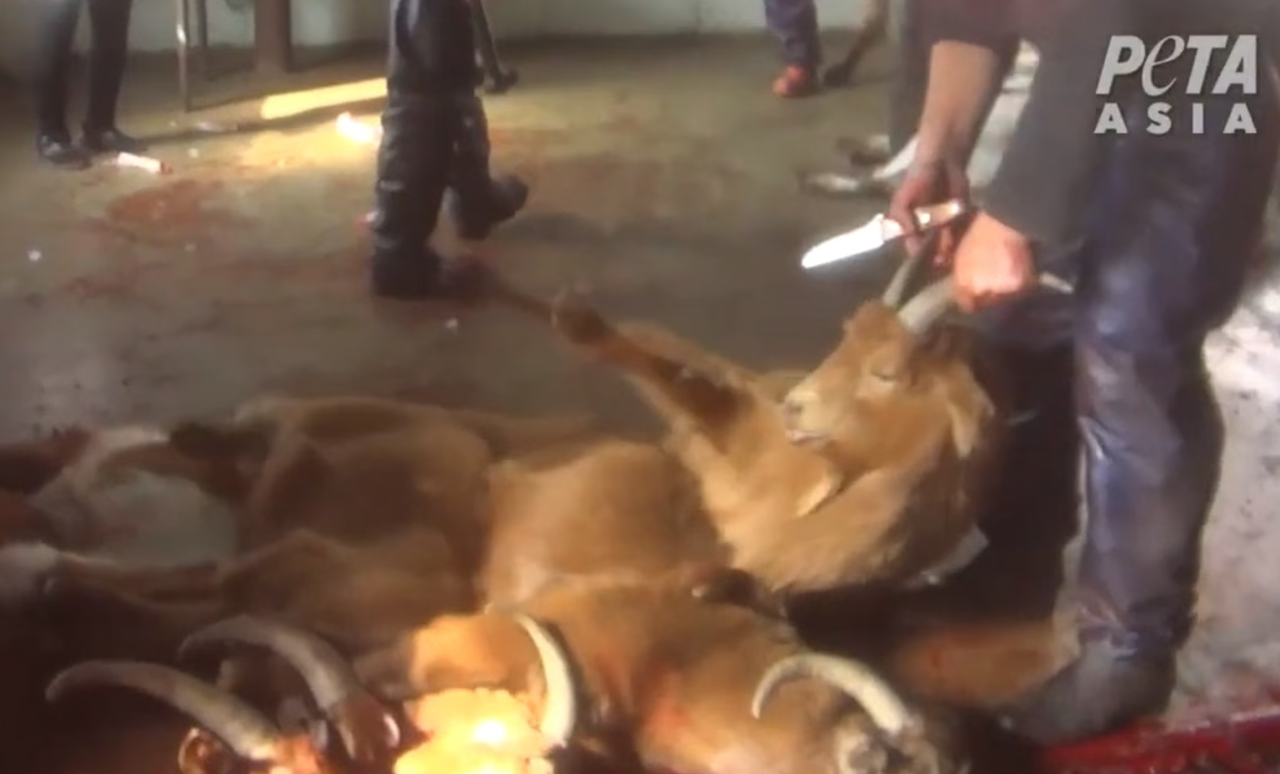
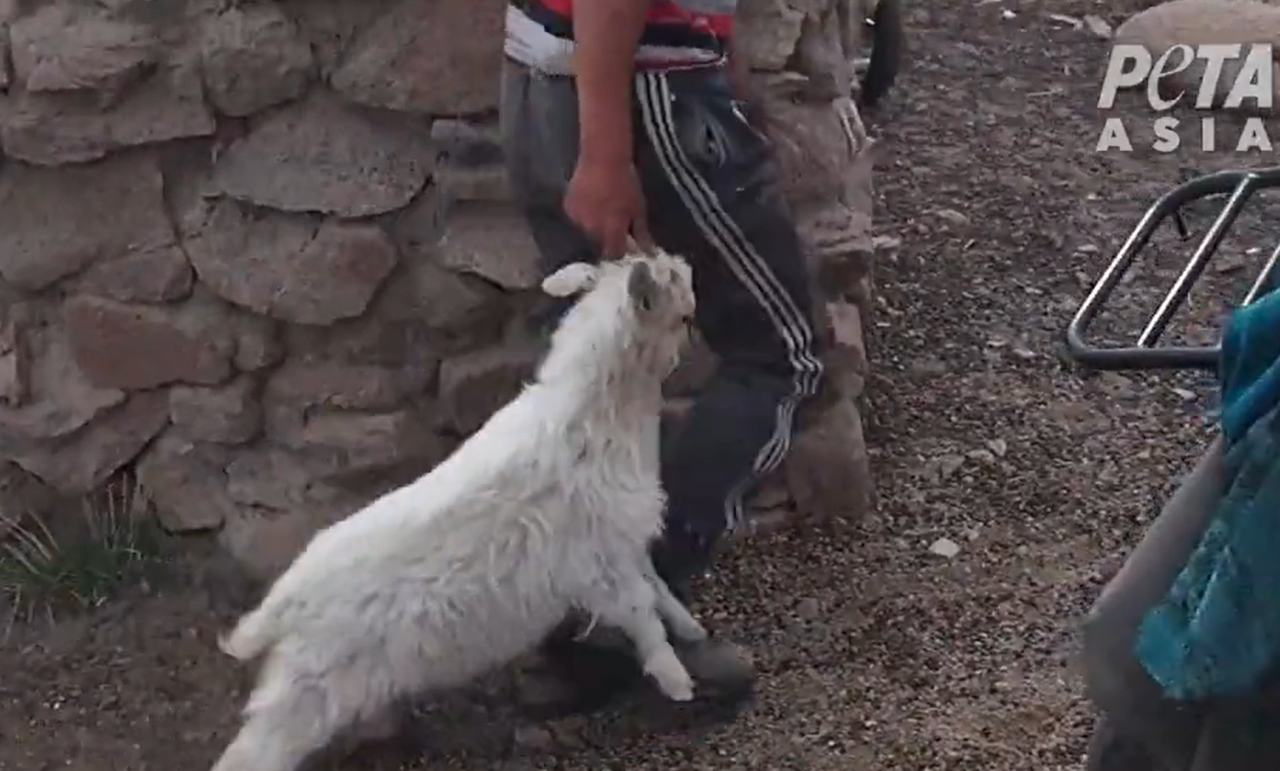
Workers pin a goat to the ground, gripping its legs and horns. Then, using sharp metal combs, they begin ripping out its fiber.
The goat writhes in pain, but the work does not stop. Many goats bleed as skin is torn away along with the fiber.
The scenes are almost too brutal to watch — and what makes them all the more startling is that the fiber collected this way goes into the winter clothes so many of us wear every year.
That fabric is cashmere — the byword for soft, warm, luxury textiles, used in everything from knit sweaters to winter coats.
Output per animal is extremely limited, which means producing a single cashmere sweater can require the fiber of up to eight goats.
The problem does not end with animal cruelty. A growing body of research now shows that cashmere production contributes significantly to climate change and environmental degradation.

Cashmere is a fiber made from the fine, soft undercoat that grows on goats. The main producing countries are China and Mongolia. During the spring molting season, the undercoat is harvested, washed, stripped of coarser hairs and spun into yarn — the raw material for winter garments such as sweaters and coats.
The core problem is how little fiber a single goat yields. The annual harvest from one animal typically falls well below 200 grams, meaning many goats must be involved to produce even a single garment.
In a 2024 report, the UN Convention to Combat Desertification said making one cashmere sweater requires the fiber of an average of four to eight goats — a reflection of just how many animals must be raised to keep production going.

The industry is also growing fast. Data from Mongolia's national statistics office show that raw cashmere output rose about 36 percent, from 6,516 tons in 2010 to 8,836 tons last year. Over the same period, the goat population climbed 67 percent, from about 13.88 million to about 23.17 million.
How is fiber collected from so many animals? Naturally, a goat's undercoat sheds on its own during the spring molt. But at some cashmere production sites, workers forcibly rip the fiber out instead.
An investigation by PETA Asia, conducted from April 2022 to February 2023 at cashmere production sites in Mongolia, documented what that looks like in practice.
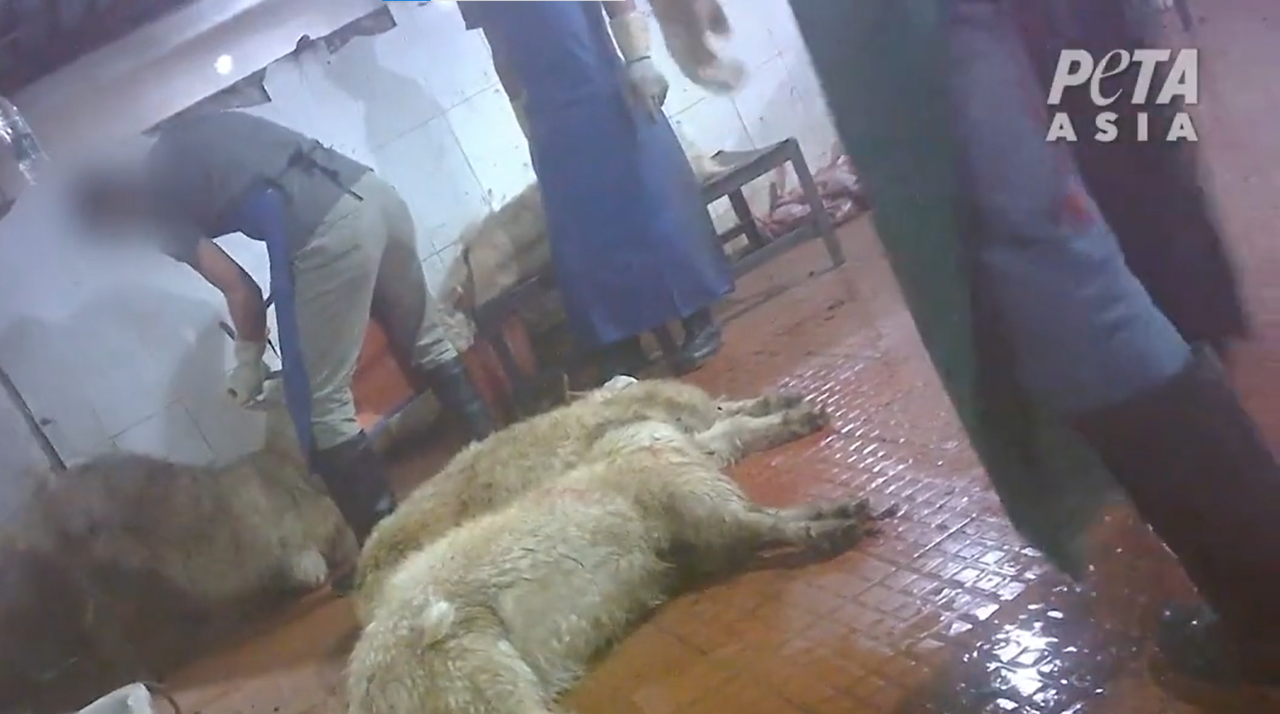
Investigators found workers immobilizing goats and tearing out their fiber with sharp metal combs. The animals screamed in pain and fear, and some bled from torn skin.
The process typically lasts about an hour per animal. Investigators also found goats with wounds that had received no veterinary treatment.
A further danger emerges after shearing: a goat's survival odds can drop sharply once its coat is gone. Because goats carry almost no body fat, their fiber is their primary defense against the cold. Stripped of it, many cannot survive extreme temperatures and die.
The abuse did not end with fiber collection. Investigators documented young goats being castrated without anesthesia, and at slaughterhouses, goats were struck on the head with hammers before their throats were cut.
As awareness of these conditions has grown, calls for more humane production methods have emerged. But PETA said abuse was found even at two suppliers certified by the Sustainable Fibre Alliance, an organization that promotes animal welfare and sustainability.
"The Sustainable Fibre Alliance must be stopped from deceiving consumers with misleading labels," PETA said. "If consumers knew how much goats suffer before they are slaughtered, they would not go near cashmere."
The damage extends beyond animal welfare. Cashmere may be warm for the wearer, but it places a heavy burden on the environment — particularly through greenhouse gas emissions.
An analysis of Mongolia's cashmere industry published in 2024 with EU support estimated that producing and delivering one kilogram of cashmere garments generates approximately 905 kilograms of carbon dioxide equivalent in greenhouse gas emissions.
Put simply, the production process generates more than 900 times the garment's own weight in greenhouse gases. Researchers assessed that emission level as significantly higher than that of other textile products.
The reason lies in how many animals are needed to produce the same weight of fabric. A separate analysis published last year by the animal and environmental advocacy group Collective Fashion Justice estimated that cashmere generates about 14 times more methane per kilogram than conventional wool.
The larger problem is that raising goats for cashmere can degrade the natural environment itself. In Mongolia in particular, overgrazing by livestock has been identified as one of the main drivers of grassland degradation.
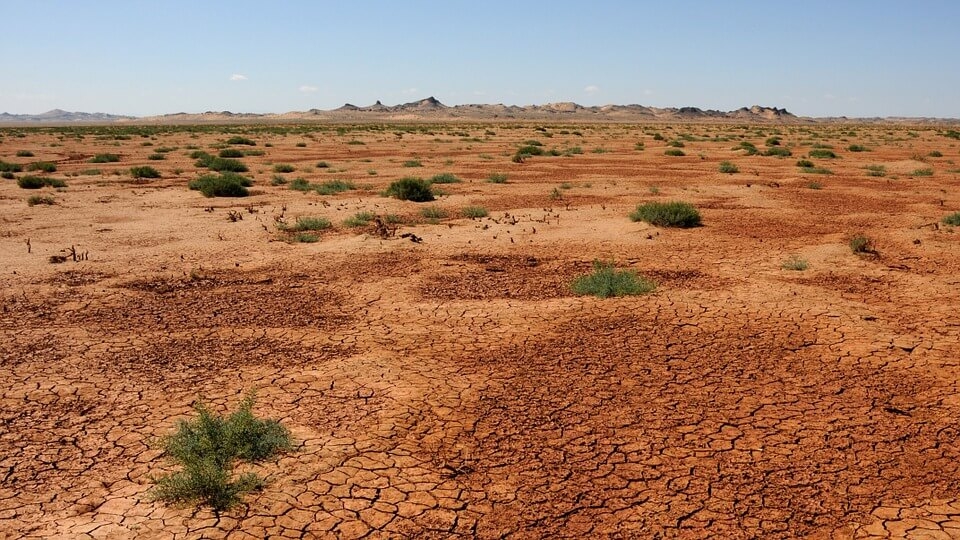
As goats graze, they place stress on grassland vegetation. When grazing repeatedly exceeds what the land can sustain, soil and plant life deteriorate and the risk of desertification grows. The UN Economic Commission for Europe, in a report published in August, assessed that about 70 percent of Mongolia's grasslands have been degraded.
Against this backdrop, some voices are calling for regulation of the cashmere industry itself. Animal protection groups in particular argue that improving production methods or expanding certification schemes is not enough to end animal abuse, and are urging consumers to stop buying cashmere products altogether.
"The best thing you can do to help goats is to refuse to buy or wear cashmere," PETA said. "Check the label when you shop and choose alternative fibers that are not animal-derived."

woo@heraldcorp.com