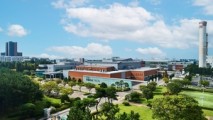
Ministry of Employment and Labor, Korea Social Enterprise Promotion Agency host international forum in Seoul on Tuesday
Eight domestic and international cases shared on resident-led care and use of public assets
Residents running a solar power plant together and sharing the proceeds. Idle public facilities converted into rental housing for young people.
Amid growing concerns over care and housing in communities hit by aging populations and population decline, domestic and international cases of residents and social enterprises using public and private resources to build essential local services came together at a single forum Tuesday.
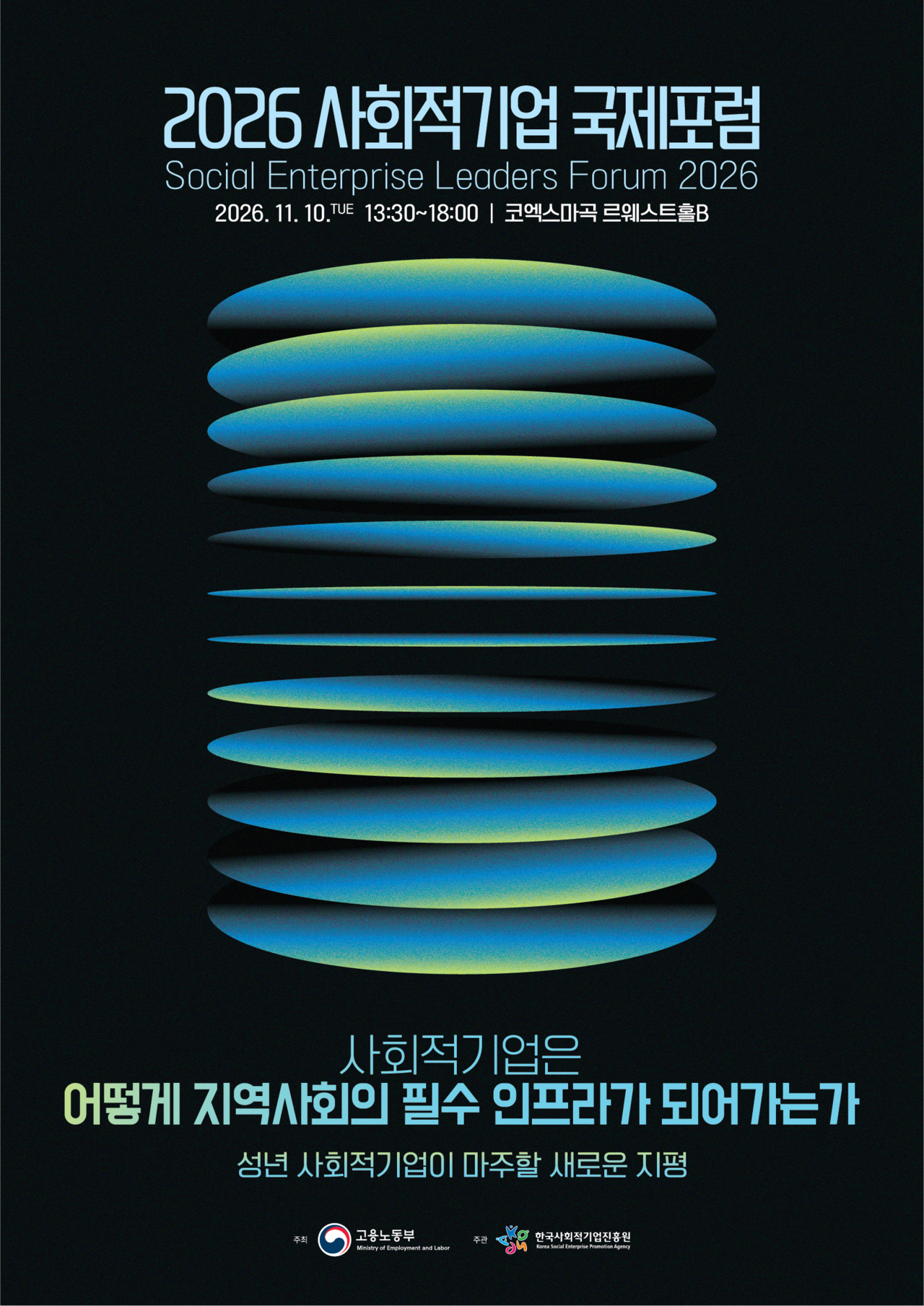
The Ministry of Employment and Labor and the Korea Social Enterprise Promotion Agency held the 2026 Social Enterprise International Forum at the COEX Magok Convention Center in Gangseo-gu, Seoul. Marking 19 years since the Social Enterprise Promotion Act took effect in 2007, the forum examined how social enterprises have developed services in areas including healthcare, care, housing and energy.
In a video keynote address, Amal Choubrou, head of the OECD's Social Economy and Innovation Unit, said the social solidarity economy can play a vital role in helping communities recover from crises. Choubrou said that for South Korea — facing aging, population decline and regional depopulation — realizing that potential would require collaboration across multiple stakeholders.
Among the domestic cases presented, Salim Medical Welfare Social Cooperative introduced a model in which residents invest in the cooperative and use its healthcare and care services while also participating in caring for their neighbors. Kkumgorae Social Cooperative shared its experience building community-based support for people with developmental disabilities and their families. The Guyanri Village Association presented a case in which a resident-operated solar power plant generates income for the community, while the North Gyeongsang Province Citizens Foundation described how it has kept local funds and jobs circulating within the region to counter youth outmigration.
Cases of public-private collaboration were also presented. Nine Floor Co-living of Taiwan has converted idle public assets into rental housing for young people, while Humanitas Deventer of the Netherlands operates a residential facility where university students and elderly residents live together. The Project Futurers of Hong Kong has worked with restaurants and medical professionals to create dining environments accessible to elderly people with swallowing difficulties. Domestic company Koiro shared its experience developing and marketing railway souvenir products in partnership with public institutions and local small manufacturers.
"Social enterprises connect people and resources in essential areas of life such as healthcare and care, and are growing into a core foundation that sustains local communities," said Ministry of Employment and Labor Minister Kim Young-hoon. "The government will actively support social enterprises so they can take deep root in their communities and continue to grow."
fact0514@heraldcorp.com