Working-level talks set for Tuesday, full negotiations Wednesday
Union resumes refusal of overtime and holiday work
Emphasis on parallel negotiations over immediate production-line strike
Dispute intensity to be adjusted based on shop-floor feedback and bargaining progress
Union vows 'utmost effort' to reach second tentative agreement
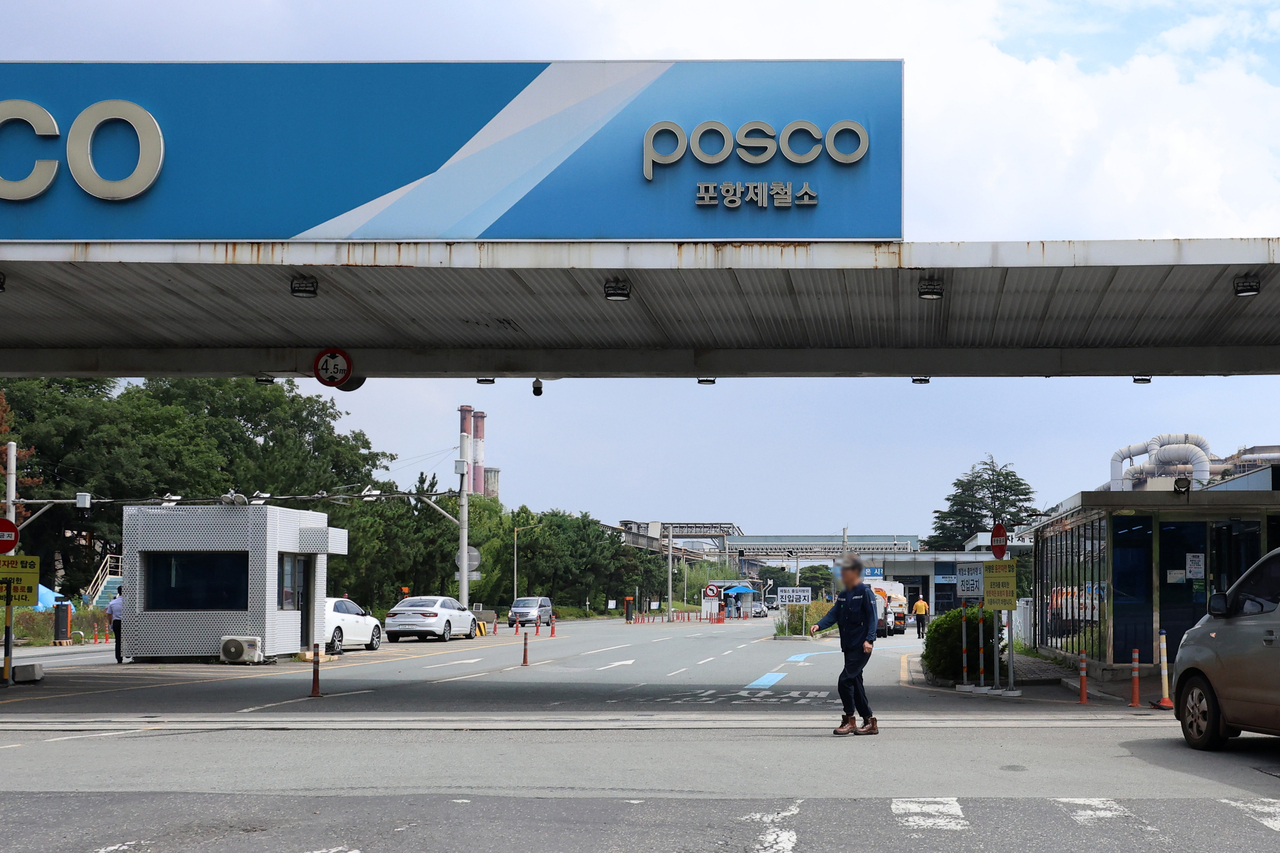
Posco's labor and management will return to the bargaining table just three days after workers voted down a tentative wage agreement. The union has simultaneously resumed industrial action, including refusals of overtime and holiday work, though it plans to calibrate the intensity of its dispute activities based on bargaining progress and rank-and-file opinion rather than immediately halting production lines through a partial strike.
The Posco labor union, affiliated with the Federation of Korean Trade Unions' metal workers' federation, will hold working-level talks with management Tuesday, followed by full negotiations Wednesday. The sessions will mark the first official bargaining since the tentative agreement was rejected in a membership vote Saturday.
The union's goal in the resumed talks is to produce a second tentative agreement that can win majority support from its members. "We take the members' verdict seriously and will move swiftly to reopen negotiations," the union said. "We will bargain in a way that ensures the shop floor's demands are meaningfully reflected in any agreement."
Given how closely the vote was split, the union has also decided to place greater weight on gathering member opinion. In Saturday's ballot, 4,433 members voted in favor (48.31 percent) and 4,744 voted against (51.69 percent), rejecting the deal by a margin of just 311 votes. Of the 9,424 eligible voters, 9,177 cast ballots, putting turnout above 97 percent.
The union plans to review the range of views expressed at briefing sessions held to explain the tentative agreement, and to separately collect shop-floor opinion through delegates and other representatives on the direction and form of future dispute activities. It intends to use that input to develop a bargaining and dispute strategy that a broader share of members can support.
Industrial action has already resumed. The Posco union's dispute response committee has instructed all members to restart dispute activities.
Starting Tuesday, eligible members will refuse substitute shifts, overtime and holiday work. They were also directed to reject any unilateral changes to shift patterns or working hours ordered by management, and to maintain existing work arrangements. Refusals extend to unscheduled tasks and emergency service calls.
The directive covers major production departments across both plants. At the Pohang steelworks, it applies to the hot-rolling, wire rod, electrical steel sheet, heavy plate, cold-rolling and stainless steel rolling divisions, among others. At the Gwangyang steelworks, it covers the hot-rolling, cold-rolling, plating and electrical steel sheet divisions. However, some essential personnel — including those operating and maintaining heating furnaces — are exempt.
The union also resumed existing forms of protest, such as wearing union vests. Officials, delegates, advisers, labor-management council worker representatives and industrial safety and health committee members were instructed to wear both vests and headbands.
The union's decision to lead with overtime and holiday work refusals — rather than a third partial production-line strike — is seen as an effort to keep the door open for renewed negotiations while maintaining pressure on management.
Should the renegotiations again run into difficulty, an escalation in strike action cannot be ruled out. The union staged its first-ever production-line partial strike in September, a 48-hour work stoppage, followed by a second partial strike lasting 120 hours. It had also announced a third partial strike before the tentative agreement was reached.
Earlier, labor and management reached the tentative agreement on Oct. 30 after roughly 140 days of negotiations. The deal included a 2.6 percent base pay increase, a one-time payment of 6 million won ($4,430) and a special promotion of three pay grades. It also covered expanded holiday bonuses and various allowances, as well as improved medical expense support for spouses and children.
Management now faces growing pressure to put new concessions on the table. Over roughly four and a half months, it made six successive proposals, gradually raising the base pay increase and lump-sum payment before the two sides reached the tentative agreement. With even that hard-won deal now rejected, the central question for the next round of talks will be how far management is willing to improve on its previous offer.
"We will bargain in a way that ensures the shop floor's demands are meaningfully reflected in any agreement," the union said. "We will do our utmost to produce a second tentative agreement — one that a greater number of members can support — based on the will expressed by members through the vote and the briefing sessions."
kwater@heraldcorp.com