Lancet letter analyzes shifts and limits of North Korea's 'health revolution'; researchers call for gender- and settlement-tailored care
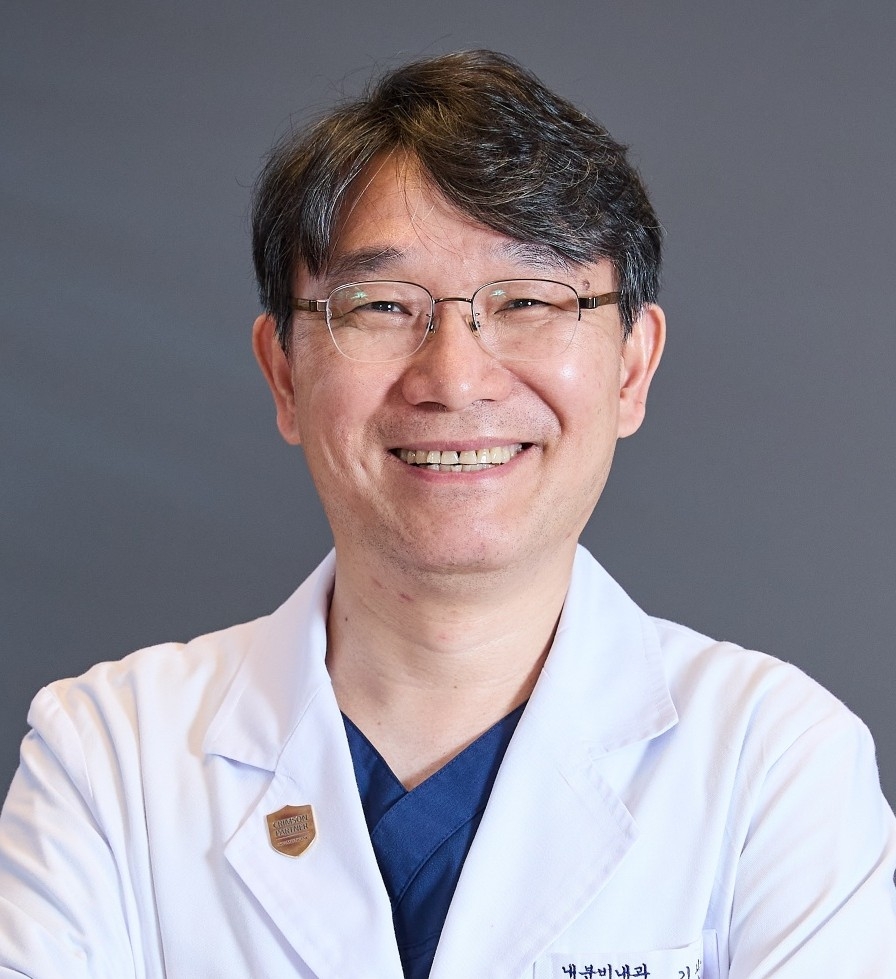
A research team led by Kim Shin-gon, a professor of endocrinology at Korea University Anam Hospital, has published a series of studies examining changes in North Korea's health care system and the long-term health of North Korean defectors, building an evidence base for reducing health disparities on the Korean Peninsula and guiding future inter-Korean medical cooperation. The team published a letter in The Lancet on North Korea's "health revolution" and shifts in its medical system, and a separate nationwide study in the International Journal for Equity in Health comparing long-term mortality risks between defectors and South Korean residents.
Earlier, in the August 2026 issue of the Journal of Internal Medicine, the team reported that North Korean defectors face a roughly 13% higher cancer risk than South Koreans overall — and about 31% higher among men. That study highlighted the need for tailored cancer prevention and management that accounts for both the pre-migration environment and lifestyle changes after resettlement.
The Lancet letter, titled "North Korea's health revolution in its 2026 medical journals," involved researchers Lee Yo-han, Choi Hyun-gyu, Kim Young-hoon and Kim Shin-gon. The team analyzed editorials from the second 2026 issues of nine North Korean medical journals, examining the policy direction and structural limitations of the "health revolution" Pyongyang is pursuing.
Kim Shin-gon and colleagues had previously published a letter in The Lancet in 2016 — "A peek into the Galapagos of the medical research field" — drawing attention to the isolation and methodological limitations of North Korean medical research. The new letter revisits that decade-old concern, looking again for signs of change within North Korea's health care ecosystem even as its insularity persists.
Alongside this research, the team operates NKmedline, a platform that monitors North Korean health policy and medical research in real time. NKmedline (https://nkmedline.kr) continuously tracks trends in North Korean health policy and medical research, building an information base to understand changes and limitations in the North's medical system and to prepare for future exchange and cooperation.
According to the analysis, North Korean medical journals repeatedly emphasized digital health management systems, telemedicine, emergency medical networks, health information systems for women and children, and AI-assisted clinical decision support in traditional Korean medicine. These priorities were linked to the "Local Development 20×10 Policy" — a plan to improve facilities and living conditions in 20 cities and counties each year — as well as the construction and modernization of city and county hospitals. The researchers interpreted this as a signal that North Korea is pursuing selective modernization and informatization despite its prolonged isolation.
However, policy emphasis does not prove actual improvement in medical services. The researchers said that compared with the top-down push focused on hospital construction and facility modernization, structural reinforcement of community-level primary care and the traditional household doctor system was not sufficiently evident. They also said the strong emphasis on pharmaceutical self-sufficiency and the development of homegrown traditional remedies suggests that drug supply instability may be a chronic constraint rather than a temporary problem.
North Korean medical journals have limitations as sources for verifying epidemiological data or health outcomes, but they can serve as an important window into policy priorities and on-the-ground implementation constraints. The researchers said the field should track both change and vulnerability rather than focusing solely on North Korea's modernization ambitions or assuming persistent backwardness. Future cooperation, they added, should be prepared with an eye toward the conditions under which the health system actually functions — including primary care and drug supply — rather than concentrating only on hospital construction and equipment provision.
The team is also continuing research that compares the health of defectors — already members of South Korean society — with that of South Korean residents. A study published in the International Journal for Equity in Health, titled "Sex-specific long-term mortality inequities among North Korean refugees resettled in South Korea: a nationwide matched cohort study," analyzed differences in long-term mortality risk by sex and length of settlement. The study was supported by the Inter-Korean Health and Medical Education Foundation and the Patient-Centered Outcomes Research for Optimal Health Care (PACEN) program.
The team linked National Health Insurance Service data from 2002 to 2022 with national death records, comparing 26,123 adult North Korean defectors with 1,300,144 South Korean residents matched by sex, birth year and study entry year. The median follow-up period was 10 years.
After adjusting for comorbidities and medication use, male defectors faced an overall mortality risk 68% higher than South Korean men — a gap that did not narrow appreciably over the follow-up period. By cause of death, the risk of infection-related mortality was 2.97 times higher, injury- and trauma-related mortality 2.04 times higher, cancer mortality 1.45 times higher, and cardiovascular disease mortality 1.39 times higher.
Women showed a different pattern. In the first six years after resettlement, female defectors had an overall mortality risk 19% lower than South Korean women, but that early advantage weakened over time. Across the full follow-up period, the overall mortality risk for female defectors was not statistically significantly different from that of South Korean women. Infection-related and injury- and trauma-related mortality risks remained elevated among women as well, at 1.70 times and 1.44 times higher, respectively.
The research team said that integration into a national health insurance system alone may not be enough to close long-term health gaps. Pre-migration malnutrition and limited access to medical care, experiences during the escape and transit through third countries, and socioeconomic conditions after resettlement all need to be considered together. The team noted, however, that as an observational study, the research cannot establish causal relationships for individual factors, and did not fully assess the effects of lifestyle, mental health, housing and employment.
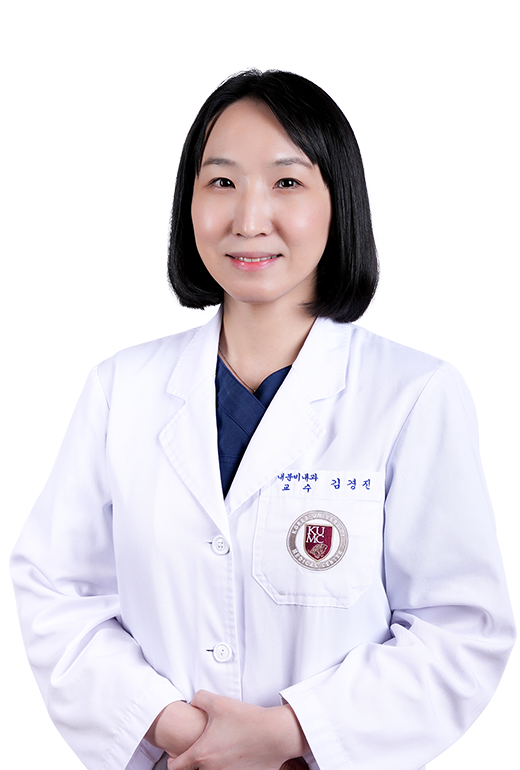
Kim Kyung-jin, the study's lead author, said health support for North Korean defectors must extend beyond post-arrival screenings and early resettlement assistance to encompass long-term health management. "For men, given their consistently elevated mortality risk, early detection and management of chronic diseases should be strengthened," Kim said. "For women, the lower mortality risk in the early settlement period should not be a reason for complacency — long-term changes need to be monitored."
Kim added that because infection- and injury-related mortality risks were elevated in both men and women, care must be continuous from prevention through treatment. "An integrated approach that addresses their social vulnerabilities alongside medical support is needed," Kim said.
The two lines of research the team is pursuing — tracking changes in North Korea's health care system and monitoring the health of defectors already living in South Korea — are meant to work in tandem. By reading policy direction and implementation limits through North Korean medical journals, and by analyzing the health burdens accumulated under different conditions and the changes that follow resettlement through long-term defector health data, the team aims to lay the groundwork simultaneously for future inter-Korean health cooperation and domestic health equity policy.
Kim Shin-gon said that while inter-Korean relations are at an extreme low, the value of respecting life — the starting point of health care — cannot change. "Consistently monitoring the health of North Koreans and North Korean defectors is both a humanitarian obligation and a task that must continue from the perspective of health security — protecting the health of all of us," Kim said.
Kim added that defectors are already members of South Korean society and "precious neighbors who prompt us to think about the health challenges of both Koreas from within our own community." Examining how people with similar genetic backgrounds develop different patterns of health and disease after living in different environments is important medical work, Kim said. "It can be a paradox that transforms the national pain of division into medical value for disease prevention and the protection of life."
Kim also said that even if the door to exchange is closed because of the political situation, research and preparation must not stop. "We will continue monitoring North Korean health trends through NKmedline and tracking the long-term health of North Korean defectors, building the evidence needed for effective health care cooperation and a health policy that leaves no one behind," Kim said.
kty@heraldcorp.com