Fair Trade Commission referred Mercedes-Benz Korea to prosecutors in March
Revised criminal procedure law's fact-verification process deployed
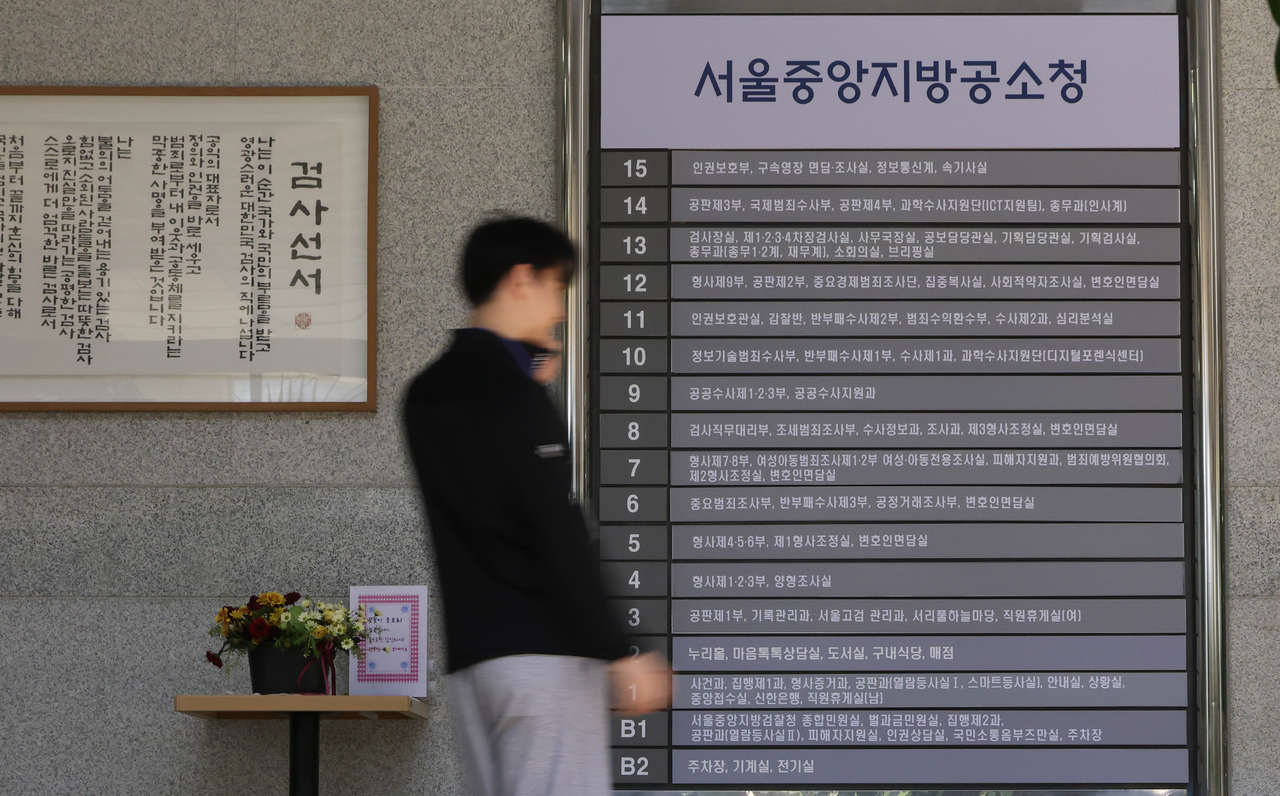
The Seoul Central District Prosecution Office has set separate deadlines for Mercedes-Benz Korea and the Korea Fair Trade Commission to submit additional materials in a case involving alleged concealment of battery information in certain electric vehicle models, according to sources familiar with the matter. The development comes as the prosecution office began operating under a new framework on Oct. 2, when prosecutors lost their investigative powers and a "fact-verification" procedure was introduced under a revised criminal procedure law. The office appears to be exercising heightened caution in deciding whether to bring charges.
The Seoul Central District Prosecution Office's Major Crimes Indictment Division 4 — formerly the Seoul Central District Prosecutors' Office's Fair Trade Investigation Division, headed by Na Hee-seok — recently notified Mercedes-Benz Korea and the Fair Trade Commission that they may submit additional materials by this week if they wish to do so, invoking the fact-verification procedure.
The case stems from a fire that broke out in August 2024 in the underground parking garage of an apartment complex in Cheongna, Incheon, involving a Mercedes-Benz EQE electric vehicle. The incident triggered controversy over whether Mercedes-Benz Korea had omitted or concealed battery information for its electric vehicles. Some vehicle owners filed civil suits against the company seeking damages.
In March, the Fair Trade Commission found that Mercedes-Benz Korea had equipped a significant number of EQE and EQS electric vehicle models with battery cells made by Chinese manufacturer Farasis Energy, while creating sales guidelines that described all its electric vehicles as using products from CATL — the world's top battery cell maker — without disclosing the Farasis components. The commission said the guidelines were distributed to dealers for use in sales pitches, deceiving consumers. It issued a corrective order, levied a fine of 11.24 billion won ($8.29 million), and referred Mercedes-Benz Korea and its parent company to prosecutors.
The Monopoly Regulation and Fair Trade Act prohibits businesses from engaging in acts that could undermine fair trade — including inducing competitors' customers to deal with them through improper means — or from causing affiliated companies or other businesses to do the same.
The case marks the first time the Fair Trade Commission has sanctioned an automaker for deceiving consumers by omitting or concealing the identity of an electric vehicle's battery cell manufacturer. In response to the commission's action, Mercedes-Benz Korea said it had "cooperated faithfully with the relevant authorities from the earliest stages of the investigation," adding that while it respected the full commission's decision, it did not agree with the panel's conclusions. The company also said it had "provided accurate and correct information to the media and customers."
The Fair Trade Commission's referral passed through the Supreme Prosecutors' Office — now the prosecution office — before being assigned to the Seoul Central District Prosecutors' Office's Fair Trade Investigation Division. Acting under the fact-verification provisions newly added to the revised Code of Criminal Procedure, which took effect Oct. 2, the prosecution office recently summoned representatives from Mercedes-Benz and the Fair Trade Commission to hear their accounts. Once both sides submit additional materials, the office is expected to weigh those submissions alongside the statements already gathered before making a final decision on whether to indict.
Under the revised Code of Criminal Procedure, prosecutors may verify facts by hearing opinions from suspects, persons related to a case, experts or judicial police officers, or by receiving written opinions and other relevant materials, when necessary to decide whether to bring charges, whether to request a reinvestigation, or to sustain a prosecution. However, statements and materials obtained through this process cannot be used as evidence at trial.
With investigative powers stripped from prosecutors, they must now decide whether to indict based solely on case records forwarded by the Serious Crimes Investigation Agency and police. Inside and outside the prosecution office, observers expect the fact-verification procedure to be used more frequently as a minimum means of establishing the facts of a case. However, because statements and materials gathered this way cannot be admitted as trial evidence and must instead be directed to investigative agencies for formal submission, the process is expected to prolong case handling times considerably.
bell@heraldcorp.com