Trump says 'probably — not necessarily' when asked whether he'll back Vance
President visibly displeased after Vance blamed Iran war for midterm losses
Trump calls Rubio 'great,' leaves door open for other Senate contenders
A single word from Donald Trump can shake global markets and economies. If keeping up with the flood of Trump news feels overwhelming, this daily briefing is for you. The Herald Business international desk — on the move from 5 a.m. — delivers a fast digest covering everything from the US market close to the Trump headlines most likely to move global assets, all in under a minute. Whether you're commuting, eating alone, or winding down for the night — just one minute a day. Subscribe at https://1day1trump.stibee.com/
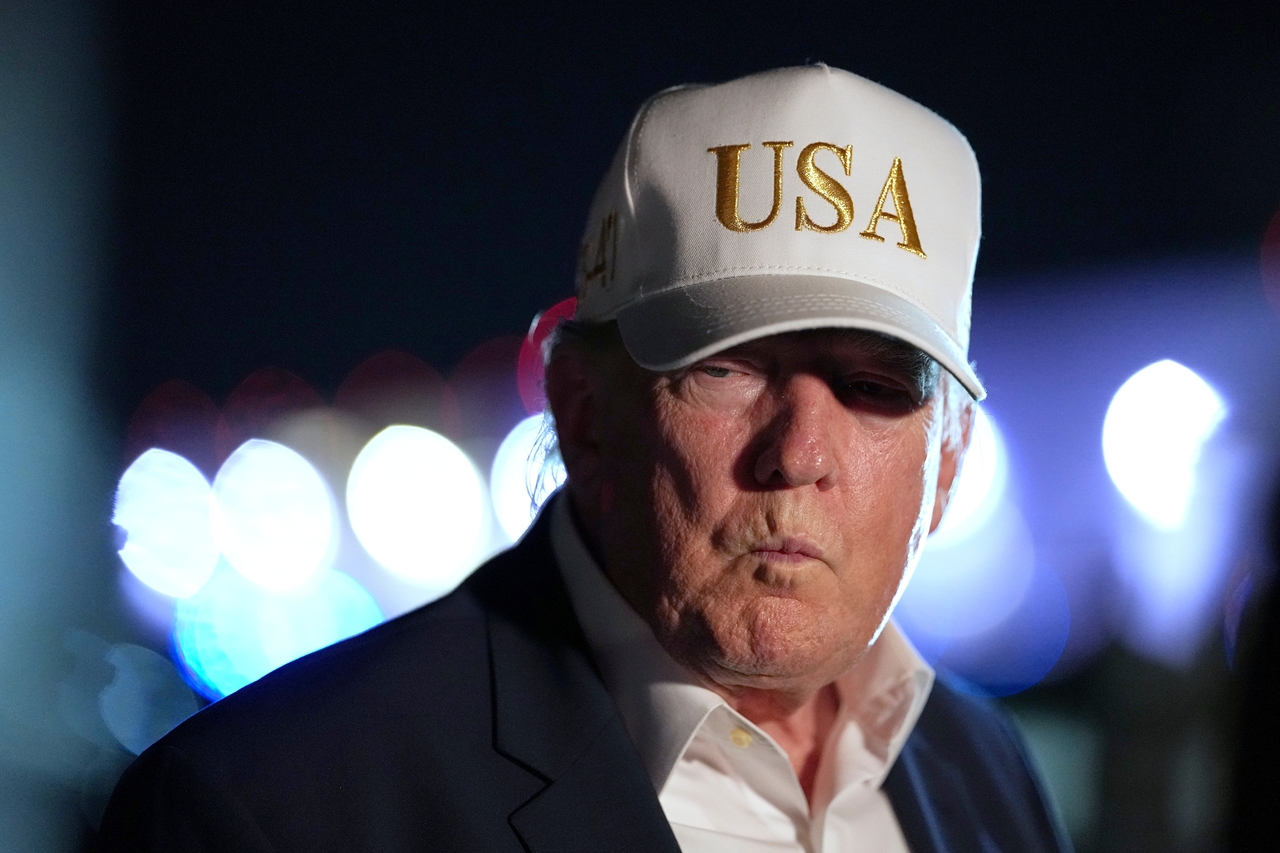
President Donald Trump has withheld his endorsement of Vice President JD Vance as his political successor, drawing fresh attention to the Republican Party's next presidential race. Trump signaled displeasure with Vance after the vice president blamed the Iran war for the party's midterm losses, while publicly praising Secretary of State Marco Rubio — adding a new variable to the contest to succeed him.
According to CBS, Trump said in a "60 Minutes" interview that aired Sunday that when asked whether he would endorse the Republican presidential candidate, he replied, "Probably. Not necessarily."
"We have tremendous talent," Trump said. "There are a lot of people that I have a very good relationship with."
Trump had previously pointed to Vance as his most likely political heir, at one point calling Vance and Rubio a "dream team" and suggesting the two sounded like a presidential and vice-presidential ticket.
In the CBS interview, however, he stopped short of anointing Vance and left open the possibility of other contenders.
Some analysts say Trump's stance is not unrelated to Vance's recent social media post blaming the Iran war for the Republican midterm defeat.
Vance posted his analysis of the election loss on social media Wednesday, shortly after the Republicans' midterm defeat. He identified the Iran war as the primary cause and in effect questioned the Trump administration's military decisions.
"If you want to argue the Iran war was worth it, go ahead and argue that losing the Senate for the next six years was worth it," Vance wrote.
The post was widely interpreted as a departure from Trump's own position — that the Iran war was necessary even at the cost of an election loss.
Some in political circles said Vance appeared to be distancing himself from Trump with an eye on the next presidential election. Others went further, characterizing the move as a political betrayal of Trump.
Trump made no effort to hide his irritation with Vance's remarks.
Speaking with reporters Monday, he said, "A lot of people don't like his statement."
He added that Vance "is right except for one thing — he should have mentioned one more thing," saying Vance should have answered "yes" when asked whether he would order another military strike on Iran if given the chance.
In doing so, Trump publicly rebutted Vance's reading of the election results while reaffirming his own judgment on the Iran war.
Trump also revealed in the CBS interview that Vance had discussed the post with him before publishing it.
He said Vance asked him, "What do you think?" and that he replied, "Write what you're going to write."
Trump added that he also asked Vance, "But what are you going to write?"
The exchange suggests Vance gave Trump a general sense of what he intended to say, but that Trump did not know the specifics before the post went up.
Trump was far more generous toward Rubio.
Asked who else might be on the list of potential presidential candidates beyond Vance, Trump said, "I think Marco is great."
"He clearly loves the job and is doing very well," Trump added, praising Rubio's performance as secretary of state.
Rubio kept his distance from the midterm campaign trail, which some observers say may insulate him from political fallout over the party's poor showing.
Trump also made clear that the field of potential successors extends beyond just two names.
"There are also some very good senators," he said, leaving the door open for other candidates to enter the race.
Speculation has centered on Texas Sen. Ted Cruz as one of the senators Trump may have had in mind. Florida Gov. Ron DeSantis has also been mentioned as a potential Republican presidential contender.
Trump also addressed the influence his eventual endorsement could carry in the next race.
"Maybe it's better that I don't get involved," he said, before adding, "But if I do get involved, I'll play a big role — because my endorsement has been very powerful."
The remarks were widely read as a signal that Trump intends to watch the Republican succession contest unfold before deploying his political influence, rather than rushing to back any single candidate.
Reports have also emerged recently that Vance has been advised by close associates against running for president.
With Republicans reeling from their midterm losses and the rift between Trump and Vance over the Iran war now out in the open, the picture of who will lead the party next looks increasingly complicated.
Trump's decision to withhold his backing from Vance while publicly naming Rubio and others raises the prospect that the Republican presidential primary could heat up sooner than expected.
sjy@heraldcorp.com