'Tokyo also moves to strengthen ties with US Democratic Party'
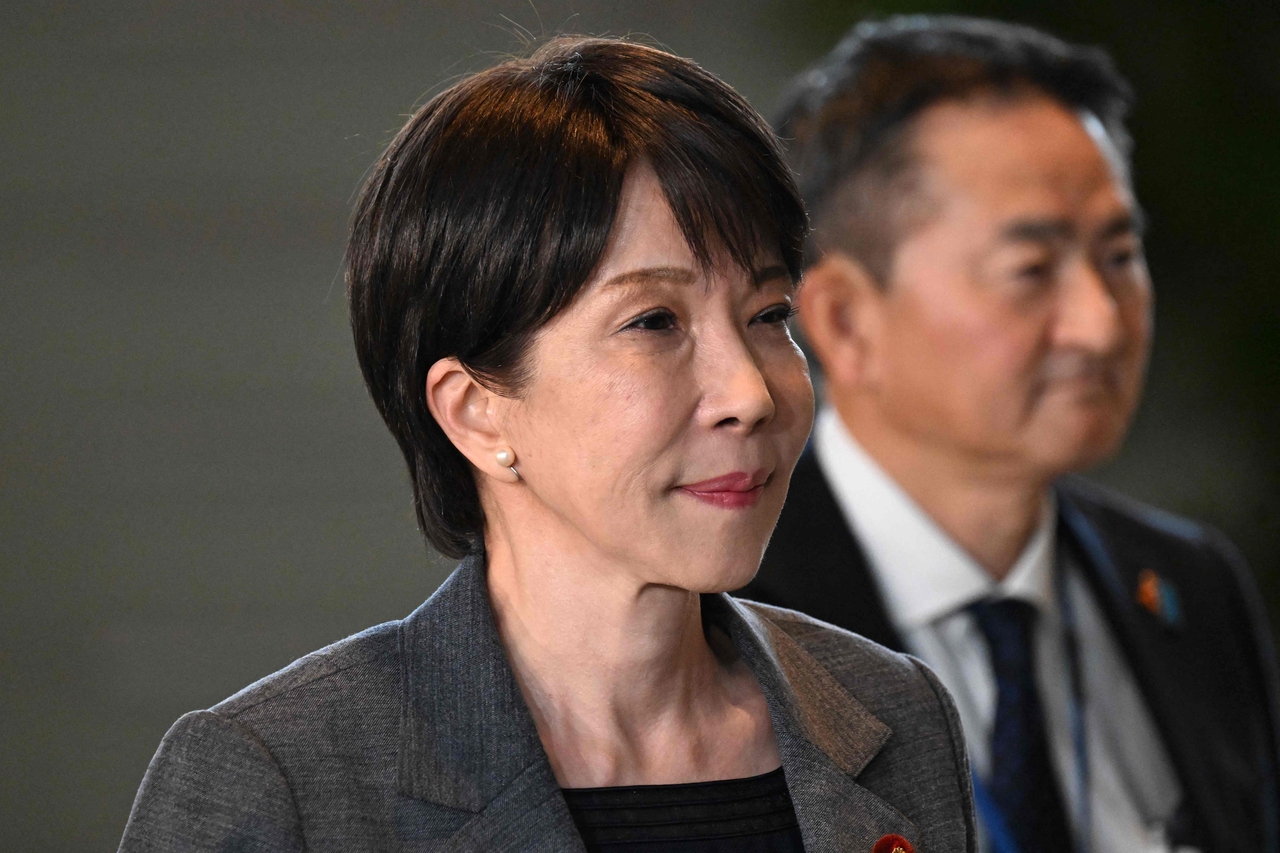
The Japanese government is closely watching for potential shifts in US diplomatic policy toward Asia and their impact on Japan, following the Republican Party's heavy defeat in the midterm elections.
Jiji Press and other outlets reported Thursday that Prime Minister Takaichi Sanae is seeking an early summit with Donald Trump to reaffirm the bond between the two countries in the wake of the Republican defeat.
A Japanese government spokesperson said at a press conference on Wednesday that "a solid Japan-US alliance is essential both for maximizing our national interests and for peace and stability in the international community," adding that Tokyo would "work closely at all levels, including between heads of state and foreign ministers."
Within the Japanese government, there are concerns that Trump may move quickly to pursue diplomatic achievements — approaching North Korea, China and Russia — in a bid to secure a foreign policy legacy. Particular attention has been paid to the possibility that Trump could act to formally end the Korean War, which remains in a state of truce, with an eye on winning the Nobel Peace Prize.
A Japanese government official told Jiji Press that "if US forces are withdrawn from South Korea or if the nuclear and missile issues are set aside, Japan's security environment will change completely."
The Japanese government is also concerned about increased pressure on its allies. A senior official at the prime minister's office said Tokyo may be asked "to accelerate the timeline for increasing investment in and loans to the United States" — a commitment already agreed upon in tariff negotiations between the two countries.
The Nikkei reported that a Foreign Ministry official said the mood within the Japanese government reflected similar anxieties. "We cannot rule out the possibility that Trump will claim he lost the election because Japan's economic investment was insufficient," the official said. "We need to prepare on all fronts."
Japan is also on alert for growing US pressure over defense spending. With revisions to three key national security documents and negotiations over the cost of hosting US forces in Japan both heading into their final stretch by year's end, the prospect of demands for a greater defense burden has come to the fore.
However, a senior Defense Ministry official told the Nikkei that "the US Congress, across party lines, places great importance on the relationship with Japan," and predicted that "the direction of US diplomatic and security policy will not change because of the election results."
Agriculture is another potential flashpoint. The United States has been pressing Japan to lift its ban on imports of fresh American potatoes, and trade pressure on that front could intensify.
Japanese producers, however, have pushed back against lifting the ban, citing concerns over the introduction of pests and plant diseases.
The Nikkei also reported that Japan's Foreign Ministry is moving to strengthen its communication channels with the Democratic Party — centered on the Japanese Embassy in Washington — by drawing on personal networks built during the administrations of Barack Obama and Joe Biden.
The outlet added that Tokyo is also considering inviting Democratic members of the US Congress to visit Japan.
yckim6452@heraldcorp.com