South Chungcheong Province becomes the first in the country to forge a broad cooperation agreement with solidarity economy actors to advance community interests and social values
South Chungcheong Province has become the first in the country to enter into a broad cooperation framework with solidarity economy actors, committing to joint project development, market expansion, growth support and financial assistance to advance community interests and social values.
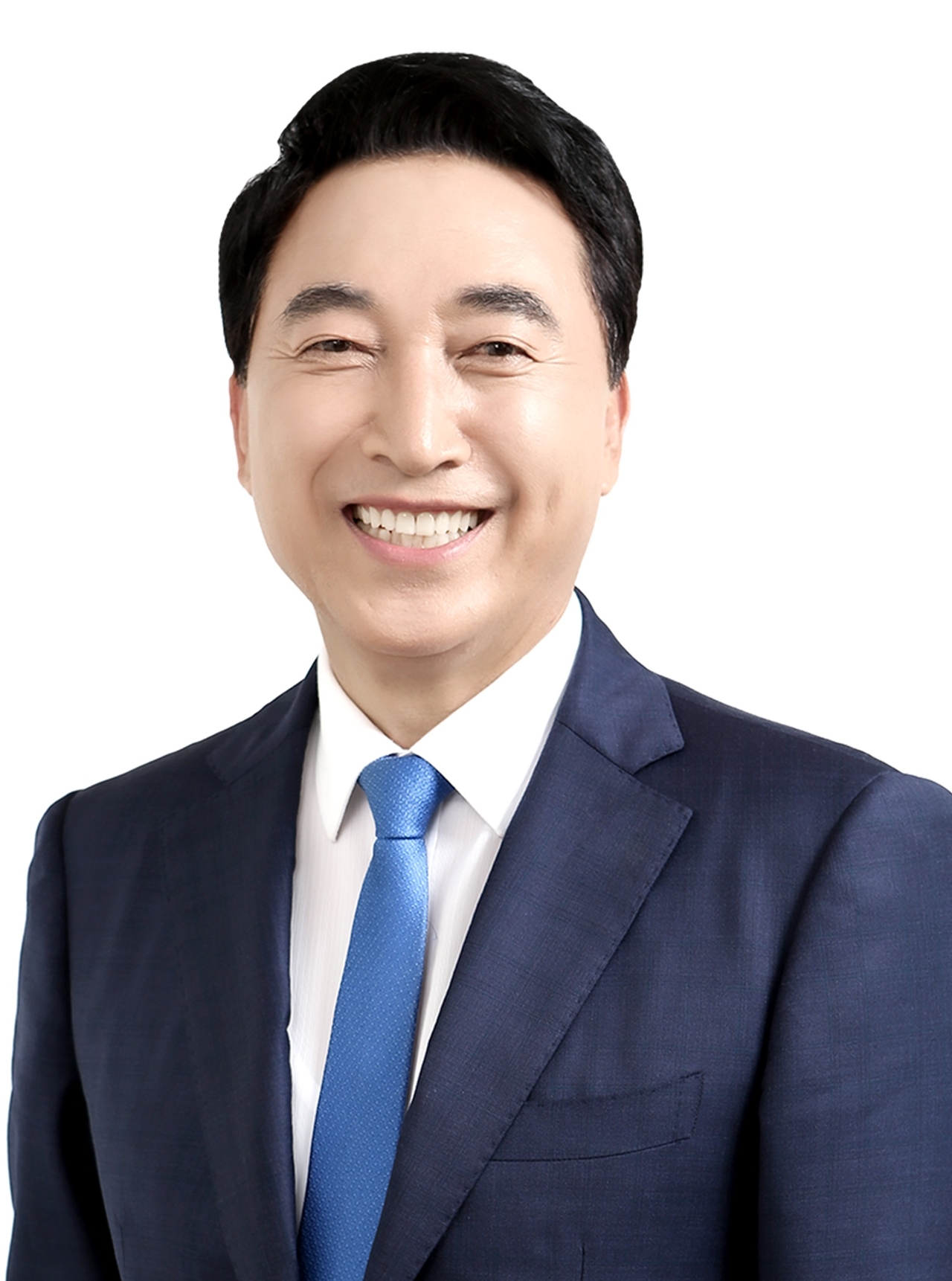
Governor Park Soo-hyun signed the "Agreement on Solidarity and Cooperation for the Revitalization of the Social Solidarity Economy and Sustainable Regional Development in South Chungcheong Province" on Thursday at the South Chungcheong Social Economy Innovation Town in Cheongyang, together with 13 solidarity economy bodies and three civic movement organizations.
The 13 bodies are the South Chungcheong Social Enterprise Council, the South Chungcheong Community Enterprise Council, the South Chungcheong-Sejong Self-Reliance Enterprise Association, the South Chungcheong Dasum Social Cooperative Federation, the South Chungcheong Venture Association, the Korea Federation of SMEs South Chungcheong Regional Headquarters, the Poolmu Consumer Cooperative, the National Agricultural Cooperative Federation South Chungcheong-Sejong Headquarters, the National Federation of Fisheries Cooperatives Chungcheong Headquarters, the National Credit Union Federation Daejeon-South Chungcheong Regional Headquarters, the National Forestry Cooperative Federation Daejeon-Sejong-South Chungcheong Regional Headquarters, the Saemaul Geumgo Central Association Daejeon-Sejong-South Chungcheong Regional Headquarters, and the South Chungcheong Leaf Tobacco Production Cooperative.
The three civic movement organizations are the South Chungcheong Province Saemaul Association, the Right-Living Movement South Chungcheong Province Council, and the Korea Freedom Federation South Chungcheong Province Chapter.
The solidarity economy is an economic model that prioritizes people and community values, pursues economic activity through cooperation and solidarity, and shares its outcomes with members of society — serving as a complement to the limitations of the market economy.
The agreement was drawn up to support the sustainable growth of the solidarity economy, promote balanced regional development, strengthen solidarity and cooperation among the signatories, identify and advance joint projects, and address local challenges.
Under the agreement, the province and the participating councils and regional headquarters will cooperate on developing and advancing solidarity economy activation policies and joint projects; sharing information, data and policy outcomes related to the solidarity economy; expanding market access for solidarity economy organizations and supporting their sustainable growth; and identifying and pursuing joint projects to address community challenges.
The parties will also work together on jointly advancing capacity-building initiatives in education, public outreach and consulting; strengthening cooperation to improve financial access and link financial support; connecting with businesses and public institutions on mutual-growth cooperation and social contribution projects; and building and operating networks to foster a solidarity economy ecosystem.
The province and the participating bodies plan to establish ongoing communication and cooperation channels between organizations, designate liaison officers at each institution, and form working-level councils to give concrete shape to the agreement's commitments and translate them into joint projects.
The province expects the agreement to serve as a starting point for pooling the resources and capabilities of each party to jointly address the diverse challenges facing local communities.
"South Chungcheong aims to move beyond a large-conglomerate-driven trickle-down economy and build a fountain economy — one where the capabilities of residents and businesses rise from the ground up — to solve community problems and realize community interests and social values," Park said.
Park added that South Chungcheong is home to a wide range of organizations and actors that have long sustained their communities, and that the experience and capabilities they have accumulated are a precious regional asset. "When these assets connect and cooperate with one another within the new current of the solidarity economy, a differentiated cooperation model unique to South Chungcheong will emerge," Park said.
Following the signing ceremony, a forum was held to explore the direction of the solidarity economy's development in South Chungcheong and to channel voices from the field into policy.
The forum opened with presentations by Kwon Young-woo, director of the Social Solidarity Economy System Division at the Ministry of Interior and Safety, and Yun Deok-hee, director of the province's Social Solidarity Economy Policy Division, who outlined the government's policy direction and the province's plans to promote the solidarity economy, respectively.
In the discussion that followed, Park and participants shared the roles and achievements of the solidarity economy in local communities and explored a range of approaches to tackling pressing challenges, including population decline, regional extinction, gaps in care services, declining vitality in rural and fishing communities, and growing polarization.
A community festival held after the forum included a commendation ceremony for meritorious contributors and a three-session forum covering a social solidarity economy impact forum, strategies and challenges for local businesses responding to regional extinction, and the potential of local cultural arts communities.
At the event, Park urged participants to go beyond their own domains in solidarity and cooperation. "For the solidarity economy to take genuine root in South Chungcheong and bear fruit, the experience and wisdom of those who have forged the path on the ground are absolutely essential," Park said.
Park also pledged to pursue the enactment of a basic ordinance on the solidarity economy and the establishment of a medium- to long-term plan, while expanding the participation of solidarity economy organizations and public-private cooperation in key policy areas — including care, residential, energy, and rural and fishing communities — to continuously identify projects grounded in local needs.
kwonhl@heraldcorp.com