Relocation of about 3,000 households to run from Monday through March 8 next year; district resolves long-running dispute over dual-unit pre-sale conditions
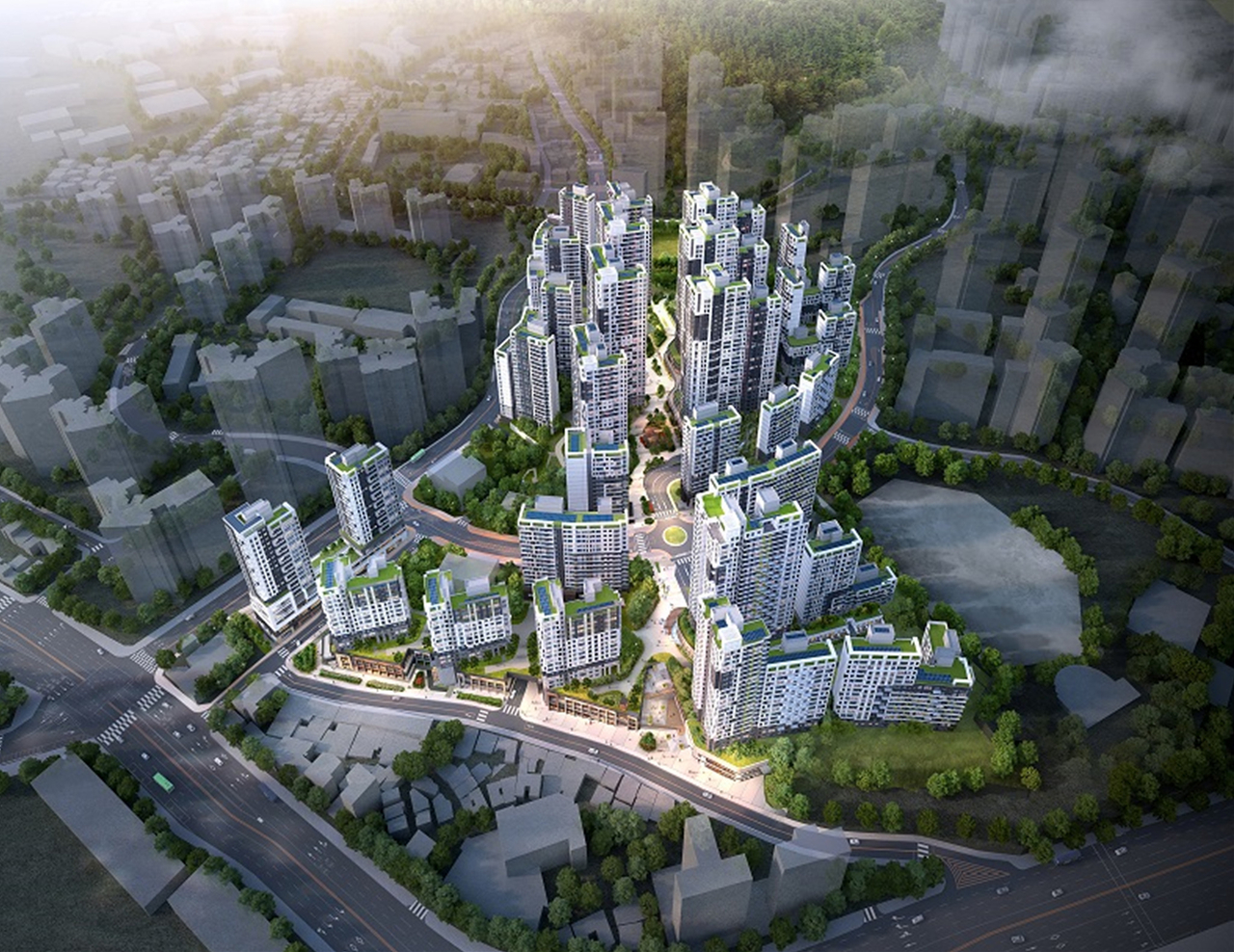
A redevelopment project in Seoul's Bukahyeon Zone 2 in Seodaemun-gu is finally entering its relocation phase, 18 years after the area was designated a maintenance zone in 2008.
The long-stalled project is expected to gain momentum after a dispute over dual-unit pre-sale conditions — one of the main obstacles to progress — was resolved.
Seodaemun-gu said the relocation of roughly 3,000 households will run from Monday through March 8 next year, a period of four months.
The project calls for building apartment complexes of up to 29 stories with a total of 2,320 units in the Bukahyeon-dong area of Seodaemun-gu. Since the zone designation in 2008, the project has been repeatedly delayed by a series of disputes and complications.
The most recent hurdle — a dispute over dual-unit pre-sale conditions attached to the management and disposal plan approval — was cleared after the district reviewed the legality and validity of those conditions against relevant laws and court precedents. On Oct. 19, Seodaemun-gu invoked Article 18, Paragraph 1 of the Administrative Basic Act to cancel the conditions by administrative authority.
The cancellation relieved the redevelopment association of its obligation to fulfill the dual-unit pre-sale conditions and resolved the key outstanding issue blocking the project.
Ahead of the relocation, the association has begun accepting applications for compensation, including residential relocation allowances and moving expenses for tenants.
Seodaemun-gu said it will focus its administrative resources on minimizing inconvenience, safety incidents and disputes among residents during the large-scale relocation. The district plans to work with the association to ensure that compensation procedures — including residential relocation allowances and moving expenses for tenants — comply with relevant laws and standards, and to continuously monitor matters directly affecting residents' daily lives, such as the payment of relocation loans to association members.
The district also plans to actively address complaints and resident feedback arising during the relocation process, and to work with relevant agencies to create a safe relocation environment.
"This relocation is an important starting point toward a new residential environment, but it is also a major upheaval for residents who must leave their homes," Seodaemun-gu District Mayor Park Un-gi said. "What matters just as much as the pace of redevelopment is attending to the difficulties and inconveniences each resident faces along the way. We will put safety and residential stability first and look after every step of the relocation process with care."
Seodaemun-gu said it will continue to monitor progress throughout the relocation period and provide on-the-ground administrative support, including resident safety management, handling of compensation-related complaints and conflict prevention.
seouldream01@heraldcorp.com