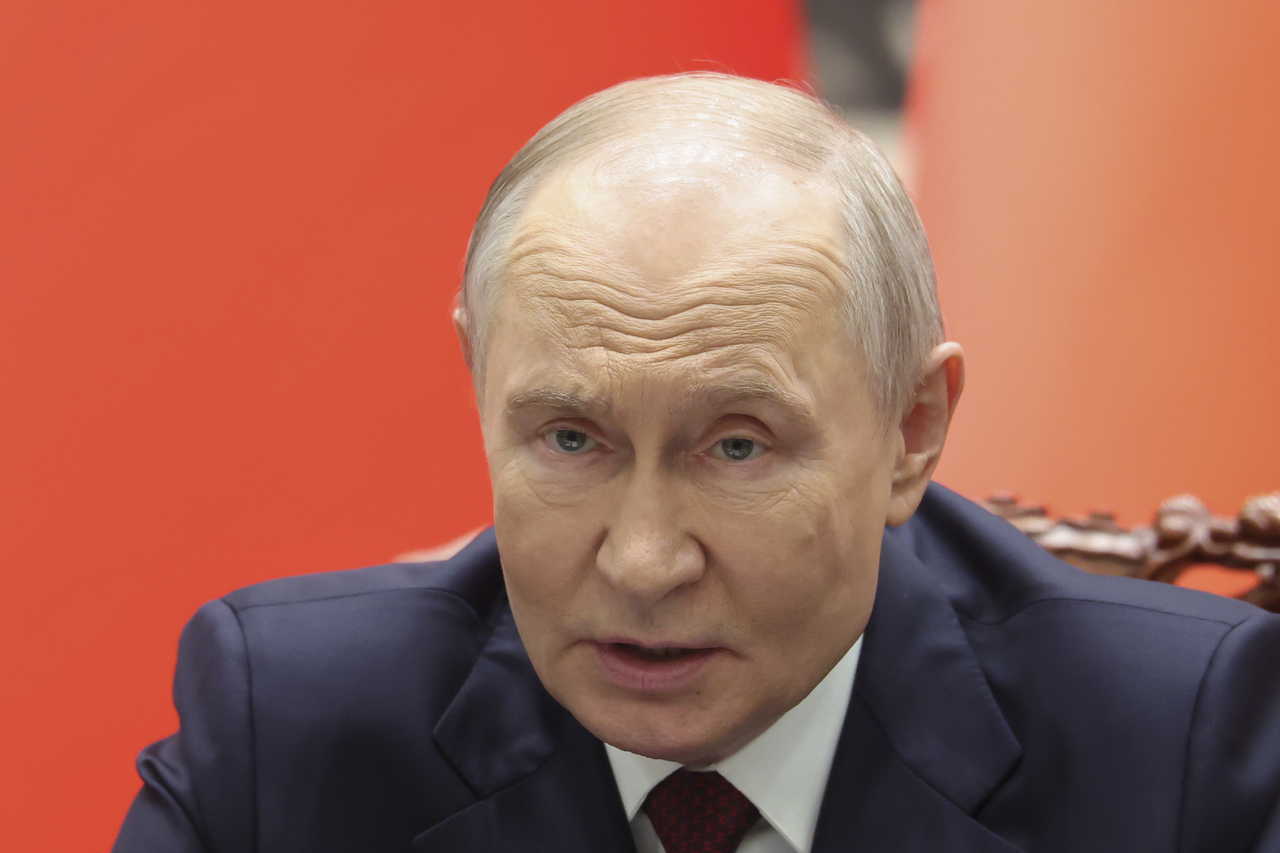
Emergency alert systems in Russia and Ukraine were hacked within hours of each other, sending false messages warning of nuclear attacks.
Ukraine's public air raid alert app sent fake messages to Kyiv and other areas around 11 p.m. Sunday warning of nuclear and chemical attacks, according to Reuters and the Associated Press.
The false alerts claimed Russia had fired Oreshnik missiles capable of carrying nuclear warheads, triggering a nationwide nuclear warning across Ukraine.
Some regions also received messages warning of imminent street combat.
The app is widely used to alert the public to incoming Russian missile and drone strikes, with more than 6.7 million daily users.
Ukraine's Air Force confirmed the hack, saying the app "had been interfered with by someone hostile to Ukraine."
Hours later, Russia's own emergency alert app — run by the Ministry of Emergency Situations — sent similarly false messages, including warnings that "a nuclear attack is imminent" and urging users to stockpile three weeks' worth of food. Russia attributed the false alerts to a large-scale cyberattack, making the two incidents effectively simultaneous hacks.
Russia's alert app, however, has far fewer users than Ukraine's air raid application.
Ukraine has blamed Russia for the hack of its app. A pro-Russian group calling itself "Hitcore" has claimed responsibility for breaching the Ukrainian system, while Russia has yet to identify who it believes was behind the attack on its own app.
Whether the two hacks are connected remains unconfirmed.
Kherson truce ends, tensions rise again
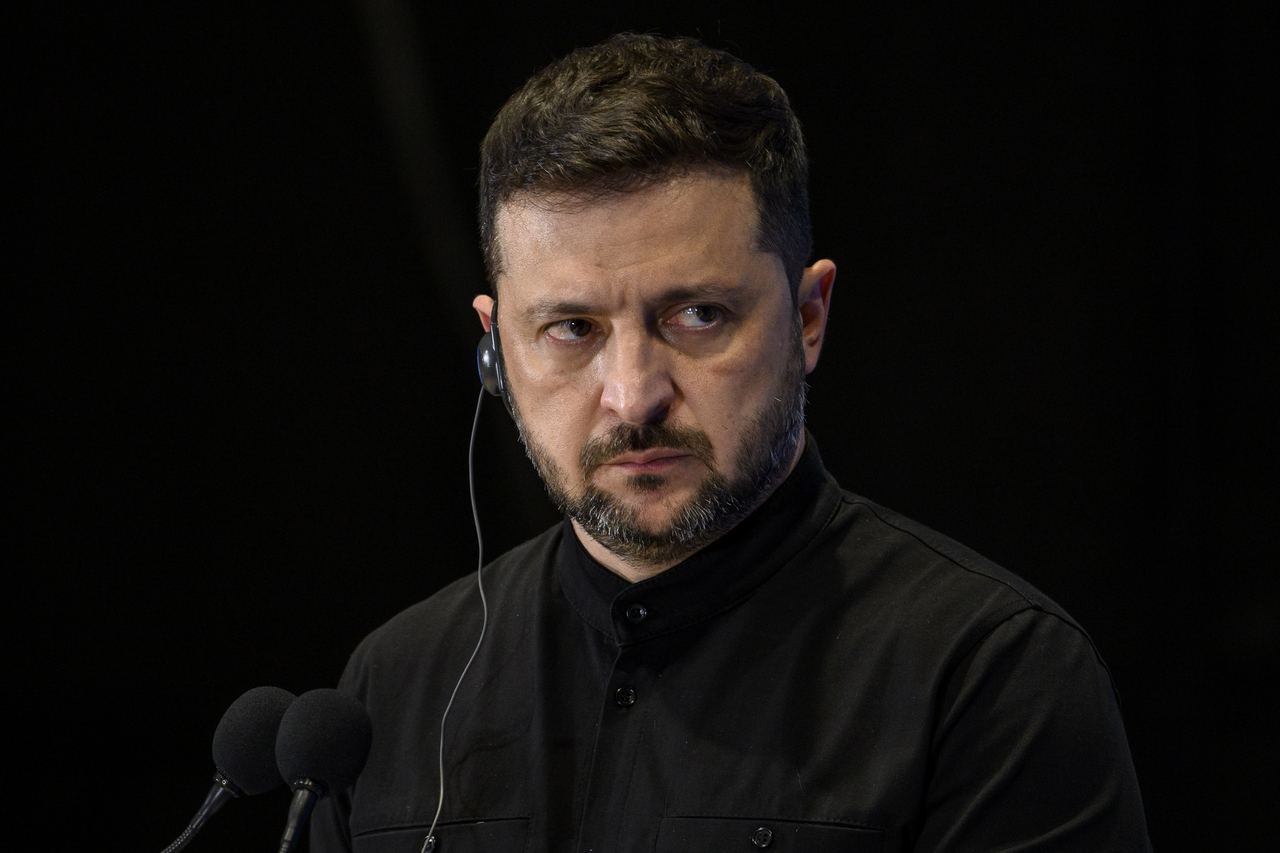
Amid the hacking incidents, the broader atmosphere between Russia and Ukraine has continued to deteriorate.
Russia resumed attacks on the Kherson region almost immediately after a localized truce there expired.
Kherson regional authorities said in a statement that day that Russian forces had struck a vehicle with a drone, wounding two civilians who were taken to hospital, according to AFP.
Residents of Oleshky in Kherson Oblast had been cut off and faced a survival crisis since Russia invaded Ukraine in February 2022.
As conditions worsened, calls for humanitarian aid — including food and medicine — grew louder from around the world, including from Pope Leo XIV. With US mediation, the two sides agreed to a truce from Tuesday through Sunday, the longest ceasefire since the war began.
There had been hopes the truce could mark a turning point toward de-escalation, particularly as residents of Oleshky were evacuated without any reported violations. But the ceasefire ended Sunday without being extended.
yul@heraldcorp.com