- KIOST selected to operate UNESCO-IOC specialized training center
- Program to train scientists, policymakers from developing nations for five years starting 2027
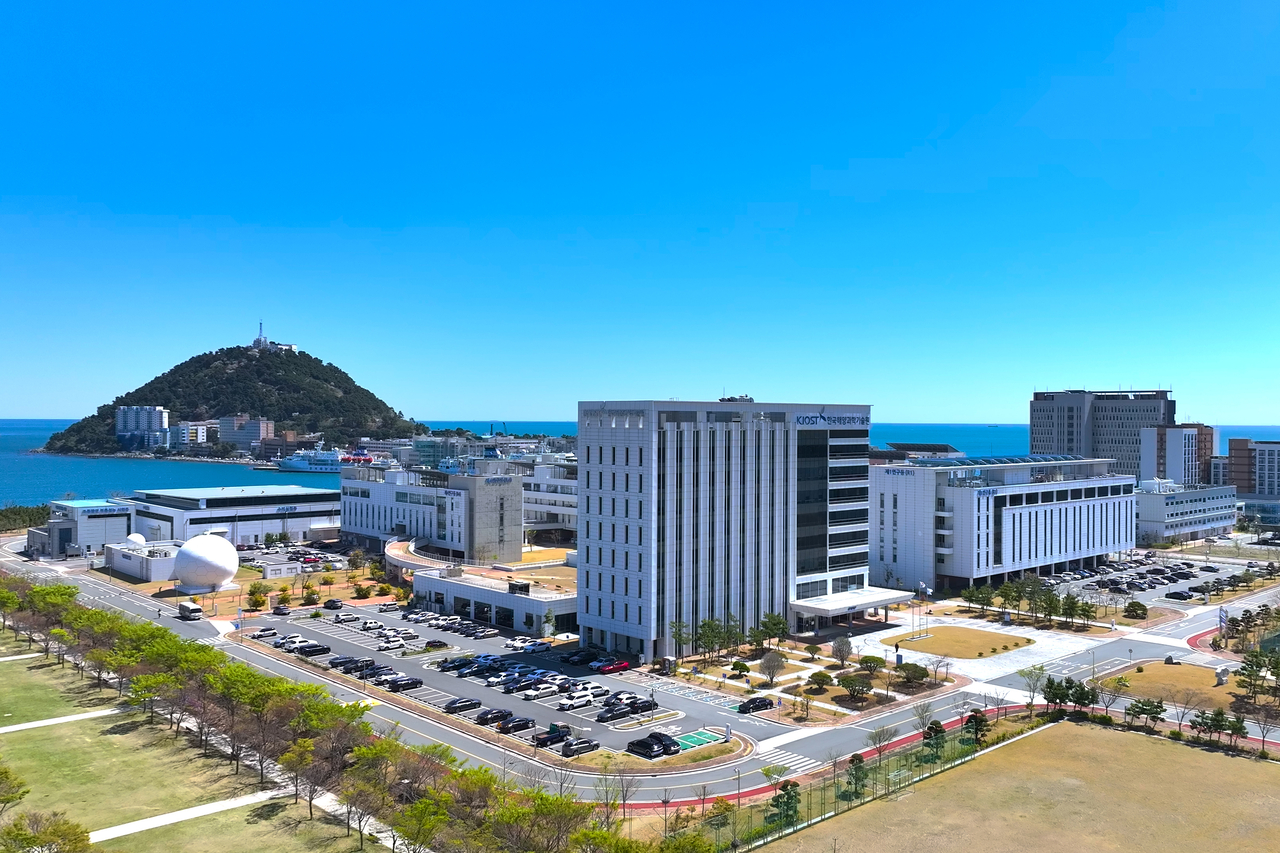
South Korea is set to take a leading role in training international experts to protect marine biodiversity in the high seas.
The Korea Institute of Ocean Science and Technology announced Monday that it has been designated — the first institution in South Korea to receive such a designation — as the operating body for STC Korea, a specialized training center under UNESCO's Intergovernmental Oceanographic Commission.
The designation aims to build the specialized workforce needed to implement the BBNJ Agreement, an international treaty focused on conserving and sustainably using marine biodiversity in areas beyond national jurisdiction.
The BBNJ Agreement is an international framework to protect marine biodiversity in the high seas and other waters outside any single country's jurisdiction. Its core provisions cover the use of marine genetic resources and benefit-sharing, the establishment of marine protected areas, environmental impact assessments, and capacity-building for developing nations.
STC Korea operates under the OceanTeacher Global Academy, the IOC's international marine education program. The designation carries particular significance because only one institution worldwide is selected for each specialized field.
KIOST received IOC approval to operate the center in July and will run international training programs for five years beginning in 2027.
The program will target marine scientists and policymakers from developing countries and small island states, providing hands-on training in the BBNJ Agreement's core areas — marine genetic resource management, environmental impact assessment, and the operation of marine protected areas.
Training will go beyond online lectures to include field exercises and onboard instruction aboard the ocean research vessel Isabu. The institute plans to use these sessions to strengthen participants' practical skills in marine scientific research and analysis.
KIOST also plans to expand its network of educational partners, starting in Southeast Asia and extending to collaborating institutions in Africa and Latin America, with the goal of building a global talent pipeline for marine science.
Park Han-san, a KIOST researcher who serves as the center's coordinator and as an IOC vice chair, said the center plans to offer "hands-on, practice-oriented training for the effective implementation of the BBNJ Agreement," adding that the program would serve as an opportunity to showcase South Korea's marine science and technology to the world.
KIOST President Lee Hee-seung said the institute would develop the center into an international training hub by drawing on its research infrastructure and educational experience. "We will expand our international cooperation into the field of education through our partnership with the IOC," Lee said.
nbgkoo@heraldcorp.com