
Q3 operating profit hits 1.82 trillion won, up 24% on US tariff relief
Middle East war, stronger won weigh on operating margin at 5.8%
Kia eyes full local EV production in Europe to meet EU rules
Kia said Friday it expects to meet its annual sales target but fall short of its profitability goal, citing the prolonged Middle East war, rising raw material costs and a stronger won.
Kim Seung-jun, Kia's executive vice president for finance, said during a third-quarter earnings conference call that "the Middle East war is not only disrupting local sales but also increasing the burden of raw material prices and logistics costs, and we expect those effects to continue at least through the end of the year." Kim added that the company would maintain its annual sales guidance of 3.35 million vehicles but that profitability would fall short of the figures previously communicated.
Kia's consolidated third-quarter sales reached 31.6 trillion won ($23.7 billion), down 4.4 percent from the previous quarter. Operating profit came in at 1.82 trillion won, a 30.8 percent decline from the prior quarter. Compared with the same period last year, both sales and operating profit rose sharply on the back of lower US tariffs, but profitability deteriorated significantly on a sequential basis.
Kia had set a full-year operating profit target of 10.2 trillion won and an operating margin of 8.3 percent at the start of the year. Cumulative operating profit for the first three quarters stood at 6.65 trillion won, with an operating margin of 7.1 percent. The third-quarter operating margin of 5.8 percent fell well short of the annual target.
Kia said external factors dragged the operating margin down by roughly 3.6 percentage points — rising raw material costs accounted for 1.2 percentage points, sales disruptions in Africa and the Middle East for 0.7 percentage points, and the exchange rate impact from the stronger won for 1.7 percentage points. Kim said the fourth-quarter operating margin is expected to be similar to the third quarter's 5.8 percent.
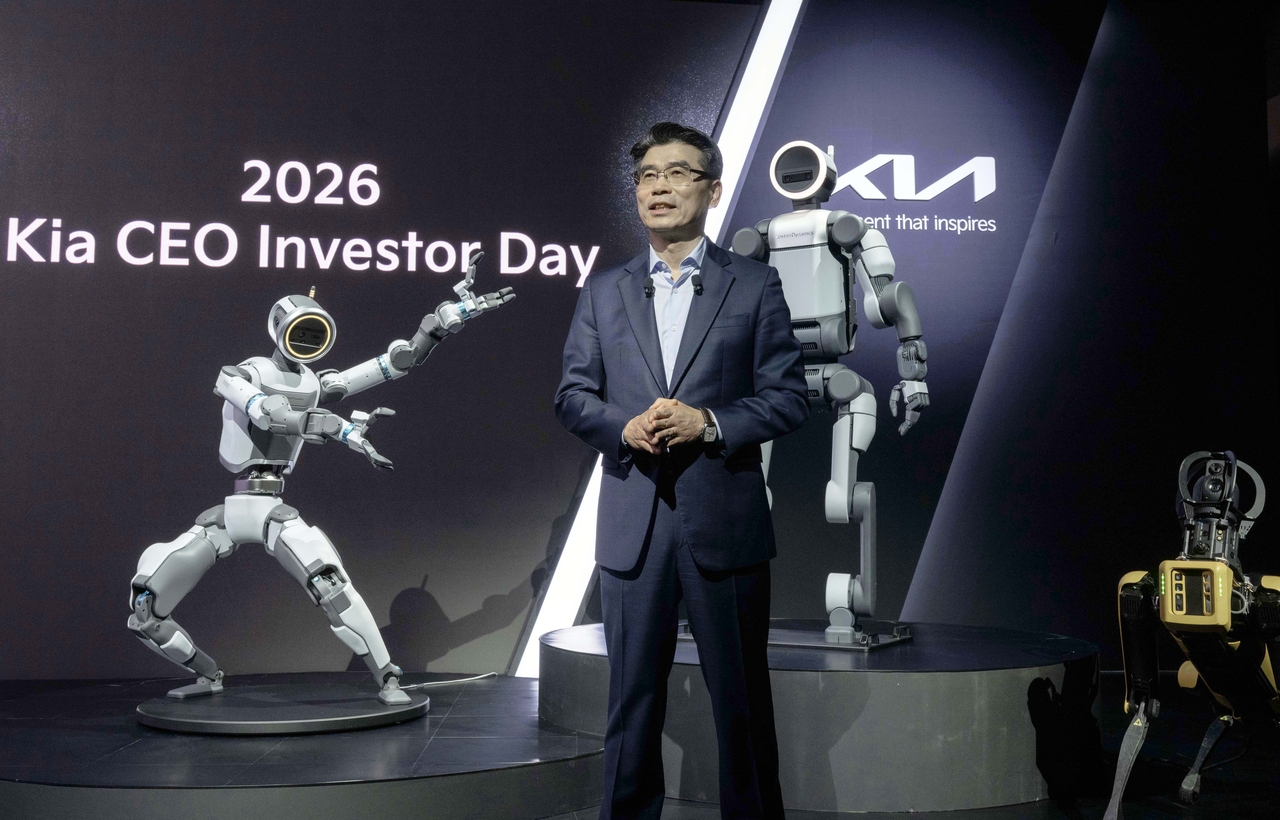
The company said it expects profitability to return to a normal trajectory next year and reaffirmed its target of a 10 percent operating margin by 2030, announced at the CEO Investor Day earlier this year. Kia said that if external headwinds ease, higher sales volumes and a greater share of electrified vehicles will drive margin improvement.
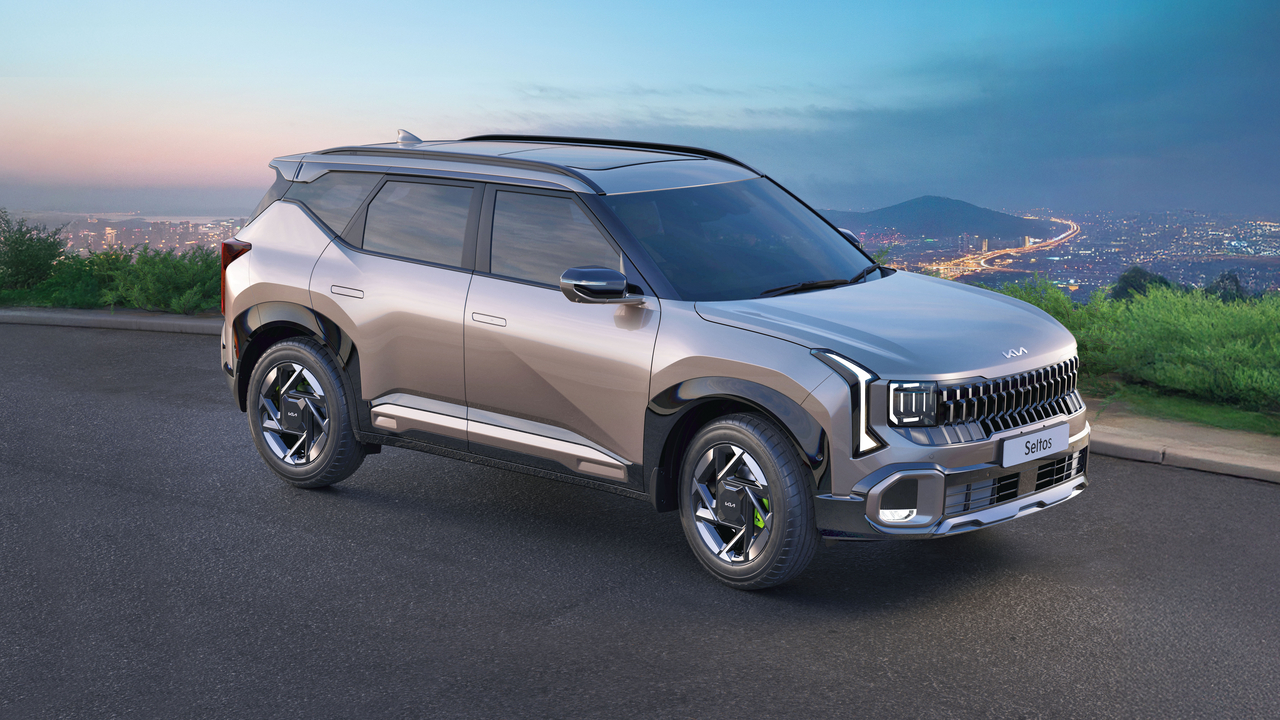
In the fourth quarter, Kia plans to boost sales of high-margin hybrid models in South Korea and the United States. In South Korea, the company will focus on the Seltos hybrid and the Sorento and Carnival hybrids. In the US, Kia will launch the Seltos hybrid and expand production capacity for the Telluride hybrid. In Western Europe, the company aims to grow electric vehicle sales 79 percent from last year and raise the EV share to 33 percent. In India, Kia set a sales target of 330,000 vehicles, up 16 percent from last year.
On EU regulations requiring a minimum share of locally produced vehicles, Kia said it is reviewing its options. Kim said the company is considering producing all of its electric vehicle volume at its factory in Slovakia while exporting internal combustion engine models from South Korea.
With Chinese automakers and Tesla pressing into the domestic market on the strength of their autonomous driving technology, Kia said its own autonomous driving development remains on schedule. The company plans to introduce Level 2++ autonomous driving technology by 2028, enabling lane changes, overtaking and highway entry and exit under a driver-monitoring condition.
Jo Woo-hyung, Kia's senior vice president for investor relations, said the immediate priority is standardizing sensors that can build a "data flywheel." Jo added that the company's software-defined vehicle launch schedule, developed in collaboration with Nvidia, remains on track for late 2027 to early 2028.
On shareholder returns, Kia said it will honor existing commitments while prioritizing dividends. Kim said the company will keep its pledges of a minimum dividend of 6,000 won per share and a total shareholder return ratio of 35 percent, and that dividend policy will take precedence over share buybacks and cancellations.
eyre@heraldcorp.com




