
Iran open to shortening 7-day confidence-building plan
Tehran demands end to naval blockade, oil sanctions relief
Qatar proposes nuclear inspections in exchange for sanctions easing
Iran says it will announce final position by the weekend
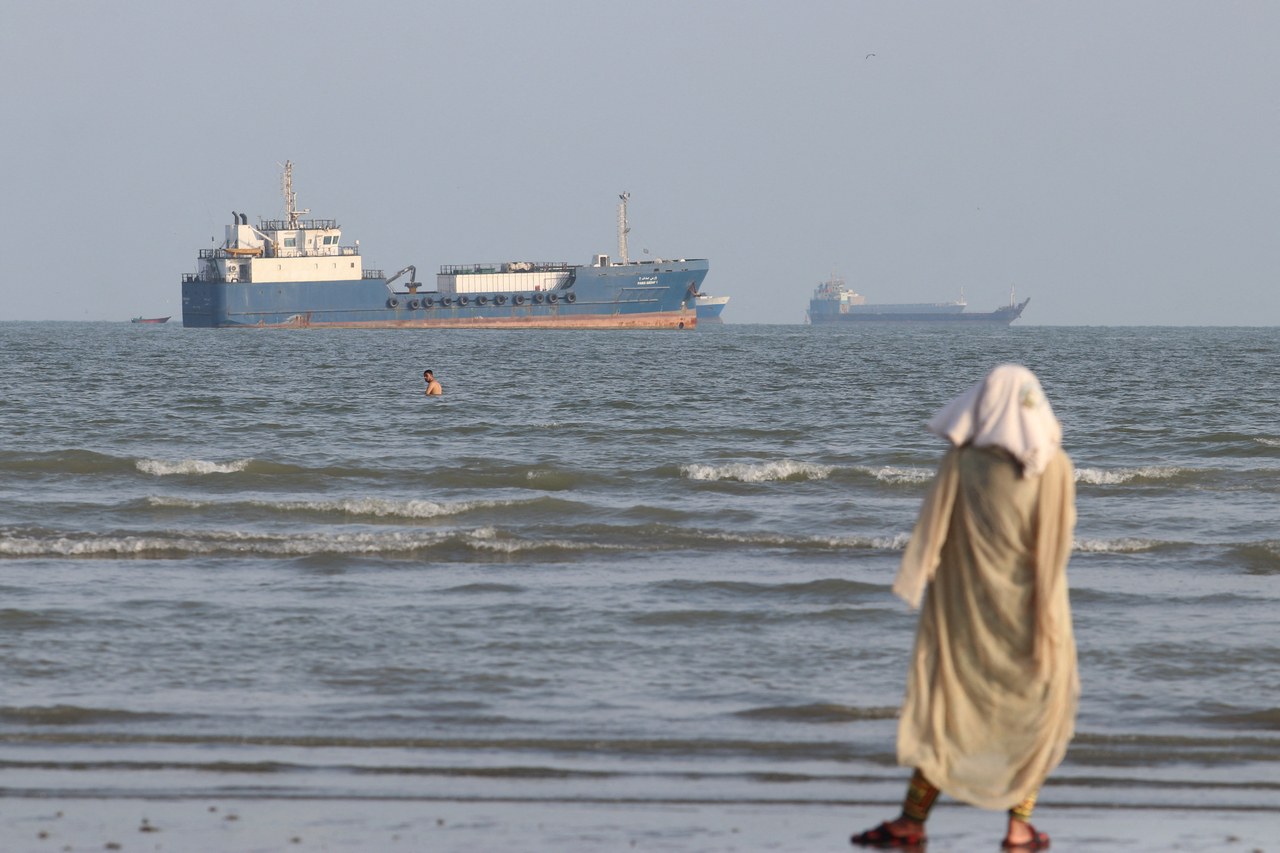
Iran said it is continuing negotiations with mediating countries over a "7-day confidence-building plan" aimed at reopening the Strait of Hormuz, but signaled it cannot accept a new peace proposal put forward by Qatar. The two sides remain at odds over US sanctions relief and access to Iranian nuclear facilities.
Iranian Foreign Minister Abbas Araghchi said Wednesday (local time), in a post on X (formerly Twitter), that Tehran is "in close and continuous contact with mediating countries and exploring ideas that would allow our 7-day plan to be implemented in a period shorter than one week," according to AFP.
The "7-day confidence-building plan" that Iran proposed to the United States last month calls for Washington to lift its naval blockade, return frozen Iranian funds and exempt Iranian oil exports from sanctions — in exchange for Iran reopening the Strait of Hormuz.
Iran has maintained that the proposal remains on the table and said it is discussing implementation details with mediating countries.
Qatar, one of the key mediators, is said to have put forward a separate compromise proposal distinct from the original framework.
According to Reuters, a Qatari mediation team visited Tehran on Sunday and delivered a draft peace proposal aimed at ending the war.
Under Qatar's plan, the United States and Iran would each carry out daily confidence-building measures over seven days. If both sides agree, the process could begin as early as next week.
The draft is also said to include a mechanism under which multiple countries would guarantee compliance with any agreement.
Qatar is particularly pushing Iran to allow UN inspectors access to its nuclear facilities in exchange for partial US sanctions relief, sources said.
Iran, however, responded negatively to Qatar's new proposal.
A senior Iranian official involved in the negotiations described Qatar's draft as "an unacceptable idea, not a proposal."
The official said Iran's position on nuclear concessions remains unchanged.
The United States and Iran are also at odds over which issues should be addressed first in the end-of-war negotiations.
Washington insists that Iran's nuclear program must be on the table from the outset of talks. Tehran, by contrast, says the United States must first meet its demands — including lifting the naval blockade on Iranian ports and withdrawing sanctions on Iranian oil exports.
Reuters said Iran is expected to announce its final position on Qatar's new peace proposal by this weekend, after reviewing the draft.
Qatar, along with Pakistan, has been leading mediation efforts in the war between the United States and Iran, which has now entered its eighth month.
While consultations over reopening the Strait of Hormuz continue, the gap between the two sides over sanctions relief and nuclear inspections has yet to narrow, leaving the prospects for a deal uncertain.
sjy@heraldcorp.com




