
Proclamation signed under Section 232 of Trade Expansion Act
Foreign equipment dependency seen as weakening industrial base
Trading partners ordered to negotiate; results due within 180 days
Tariffs, import quotas possible depending on outcome
When Trump speaks, global markets move. Stay on top of the latest Trump news with our daily briefing, delivered fast — from Wall Street's closing bell to the key developments shaping global asset markets. One minute is all it takes.
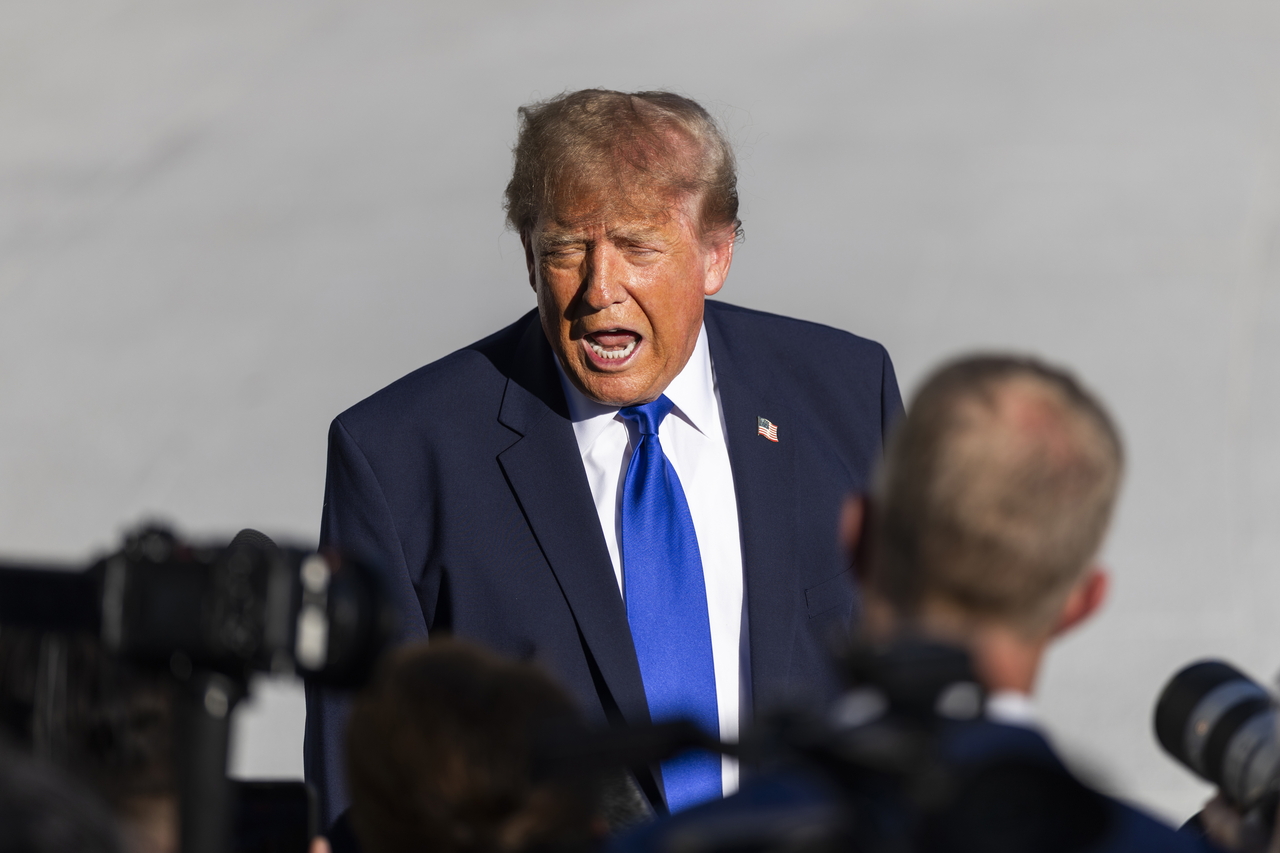
US President Donald Trump has declared imports of robots, industrial machinery and related components a national security threat and directed federal agencies to open negotiations with trading partners. The move raises the prospect of sector-specific tariffs on robots and industrial machinery, following similar measures already imposed on steel, aluminum and automobiles.
According to the White House, Trump signed a proclamation Wednesday (local time) under Section 232 of the Trade Expansion Act, finding that imports of robots, industrial machinery and related parts pose a threat to US national security.
The Commerce Department determined through its investigation that most categories of robots, industrial machinery and related components rely heavily on foreign imports, raising concerns that the US industrial base and long-term competitiveness could be weakened as a result.
The proclamation particularly stressed that robots and industrial machinery are essential to the production of key defense products, including missiles, aircraft and naval vessels. It also identified cybersecurity risks as a national security concern, noting that foreign-made equipment could compromise sensitive information during processing or storage.
In response, Trump directed the Commerce Department and the Office of the United States Trade Representative to begin negotiations with relevant trading partners. Both agencies are required to report on the progress of those talks within 180 days of the proclamation's signing.
The measure does not impose immediate tariffs on robots or industrial machinery. However, additional tariffs or import quotas could be considered depending on the progress and outcome of future negotiations with trading partners.
Section 232 of the Trade Expansion Act allows the president to impose tariffs or other trade restrictions when imports of a specific product are determined to threaten US national security.
The Trump administration has increasingly relied on the provision to impose steep sector-specific tariffs, including on steel, aluminum, automobiles and auto parts.
After the US Supreme Court struck down in February the reciprocal tariffs imposed under the International Emergency Economic Powers Act, the Trump administration has been pursuing alternative tariff measures under Section 232 of the Trade Expansion Act and Section 301 of the Trade Act to replace the invalidated levies.
The latest proclamation aligns with the Trump administration's broader trade policy of expanding import restrictions on national security grounds. Whether additional tariffs will ultimately be imposed on robots and industrial machinery will depend on the outcome of negotiations with trading partners.
sjy@heraldcorp.com




