Unit checks on five delinquent taxpayers facing hardship and connects them to welfare services; phone and field surveys of 7,112 cases yield 145 million won in recovered taxes
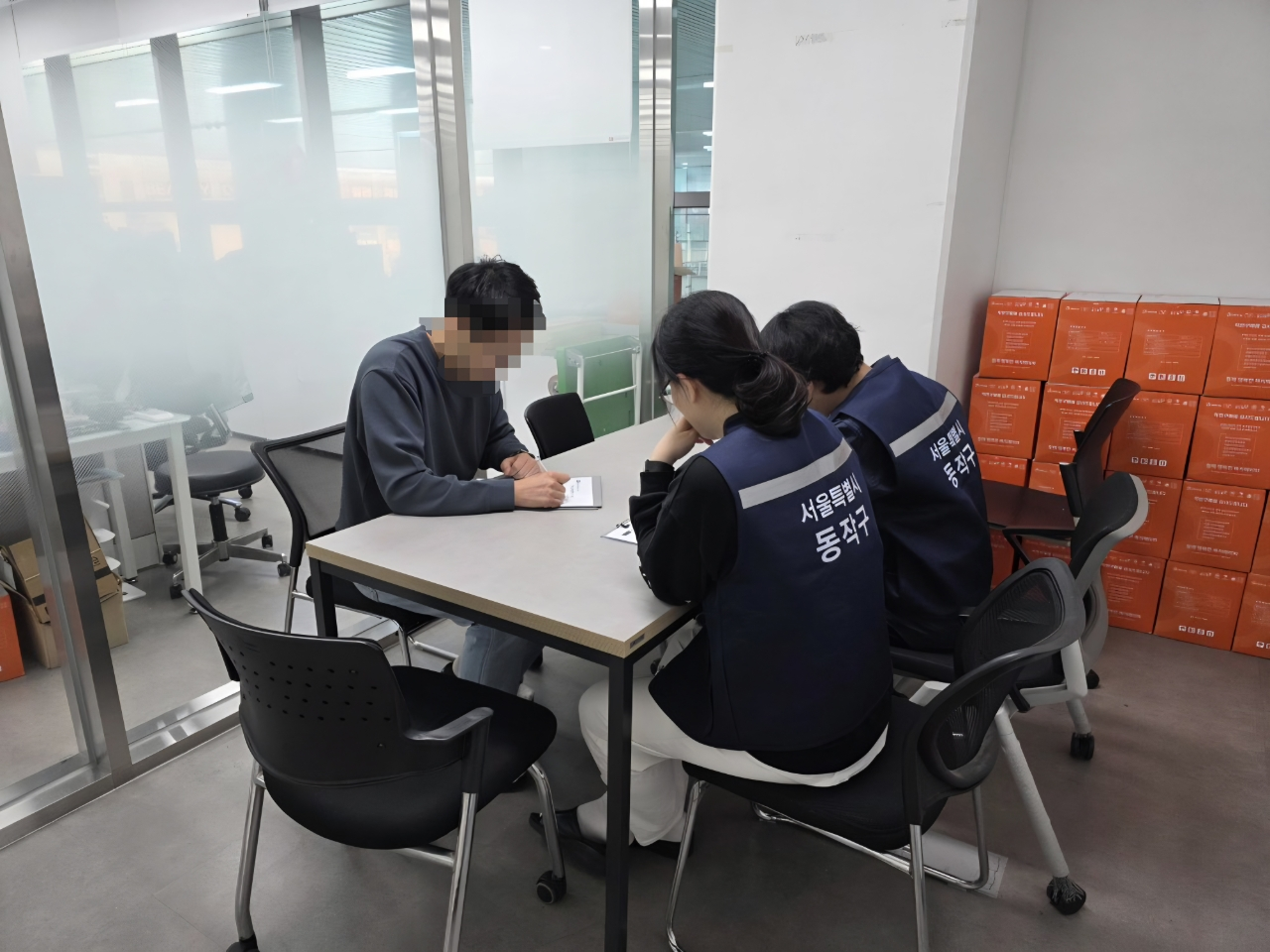
Dongjak-gu announced that its local tax delinquency management unit, launched in August, has been contributing not only to the collection of overdue taxes but also to identifying residents who fall through the cracks of the welfare system.
The unit conducts comprehensive surveys of delinquent taxpayers, examining the reasons for nonpayment, living conditions and ability to pay, then guides each person toward a suitable repayment method to encourage voluntary settlement. For those facing financial hardship, the unit connects them with welfare services to help stabilize their livelihoods.
The district hired 10 unit members in July and, after training on personal data protection and job duties, began conducting field surveys. Staff first assess taxpayers' payment capacity and living situations through phone consultations, then follow up with in-person visits when contact cannot be made or further verification is needed.
As a result, as of Oct. 15, the unit had completed phone and field surveys covering 7,112 delinquent taxpayers, collecting a total of 145 million won ($110,000) across 2,580 cases.
Particularly noteworthy is that the unit identified five taxpayers in financial difficulty during the survey process, provided them with welfare counseling and connected them to the services they needed.
In one case, staff visited the home of an elderly person in their 80s who had difficulty moving around and was living on a basic pension, helped them fill out a welfare counseling application and referred them to the local community center for consultation on basic livelihood security benefits.
A single-person household struggling to pay taxes after retirement was informed about repayment options and self-sufficiency programs, and was helped to apply for tailored welfare benefits.
The unit also connected a resident burdened by a spouse's medical expenses and another whose regular outpatient treatment was limiting their ability to return to work with welfare counseling and the services appropriate to their situations.
The district said it plans to continue carefully examining the financial circumstances of delinquent taxpayers, pursuing both tax collection and the identification of households in welfare crisis, and will keep the unit running next year.
Dongjak-gu District Mayor Ryu Sam-young said the unit "serves as a bridge between tax collection and welfare administration by examining taxpayers' payment conditions and living situations on the ground." He added that the district would "work to reduce welfare blind spots through field-centered delinquency management and attentive resident counseling, while also securing tax revenue through fair collection."
seouldream01@heraldcorp.com