About 50,242 leaf-related complaints filed over 3 years; 46% came in September–December
November averages 9,167 cases a month — 2.2 times the overall monthly average
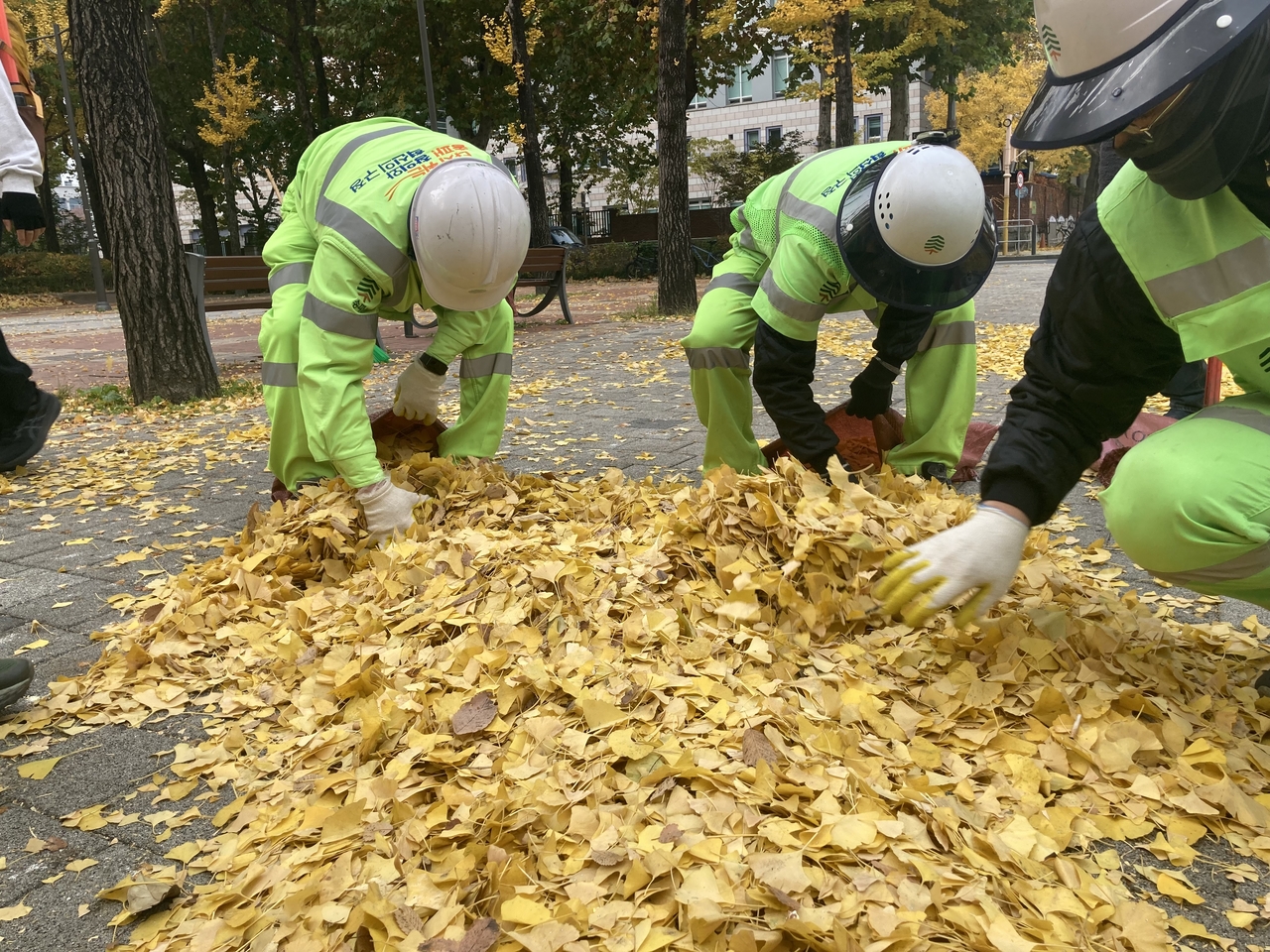
As autumn leaf fall gets underway, public complaints about slippery walkways and clogged drains caused by fallen leaves and ginkgo fruit are expected to rise. The Anti-Corruption and Civil Rights Commission has issued a "civil complaint advisory" for the fall leaf season.
The commission on Tuesday released findings from an analysis of 50,242 leaf-related complaints submitted to its civil complaint data analysis system between October 2023 and September 2026. Along with the findings, it offered recommended improvements for relevant agencies to consider when drawing up countermeasures. The system aggregates and analyzes big data from complaints filed through the National Sinmungo portal and local government complaint channels as part of a pan-government platform.
Leaf-related complaints begin rising each year in September and peak in November. A total of 23,186 complaints were filed between September and December over the three-year period, accounting for 46 percent of the overall 50,242 cases.
By monthly average, November recorded the highest volume at 9,167 cases — about 2.2 times the overall monthly average of 4,187 and more than four times the lowest month, February, which averaged 2,164 cases. September averaged 5,598 cases and December 5,184. October was comparatively low at 3,237, a figure that appears to reflect disruption from a fire at the National Information Resources Service between Sept. 26 and Oct. 27 last year, which knocked the National Sinmungo system offline.
The most common complaints called for the removal of fallen leaves and ginkgo fruit, described inconveniences and business losses caused by leaf accumulation, and demanded better urban environmental upkeep.
Real-life cases illustrate the everyday disruptions. One resident asked for safety measures after nearly slipping on a pile of ginkgo leaves on the steps near a 553-year-old ginkgo tree inside a local Confucian school. Another complaint came from a visitor to a lakeside park's dirt path, who said heavy leaf accumulation made barefoot walking uncomfortable.
Complaints about clogged drains causing property damage were also common. One hair salon owner said city workers cleared a blocked drain on a Friday, but the leaves were left in place — and when she arrived for work the following Monday, the drain was blocked again and the ground floor of her building was flooded. "My salon equipment got soaked and I had to cancel all my appointments that day," she said.
Housing damage was another recurring theme. Complaints included reports of roofs and awnings collapsing under the weight of accumulated ginkgo leaves and fruit from nearby trees, water leaking into homes, and vehicles parked outside sustaining paint discoloration from falling ginkgo fruit.
The commission urged relevant agencies to step up leaf collection, take preventive action before damage occurs, and minimize blind spots in street-cleaning coverage. Specific measures recommended include intensive leaf-collection drives and early harvesting of ginkgo fruit.
Meanwhile, the commission also released its big data complaint trends for September. Complaints that month totaled 1,396,270 — up 3.8 percent from 1,345,275 the previous month and up 14.6 percent from 1,218,118 in September last year.
By institution type, complaints to central government agencies fell 5.4 percent from the previous month to 159,160. Local governments saw a 4.7 percent increase to 1,171,497, while education offices recorded a 33.5 percent jump to 12,623.
rimsclub@heraldcorp.com