Vulnerable men targeted amid coercive recruitment push
Bounties of up to 4.9 million won paid per recruit; some vanish after signing
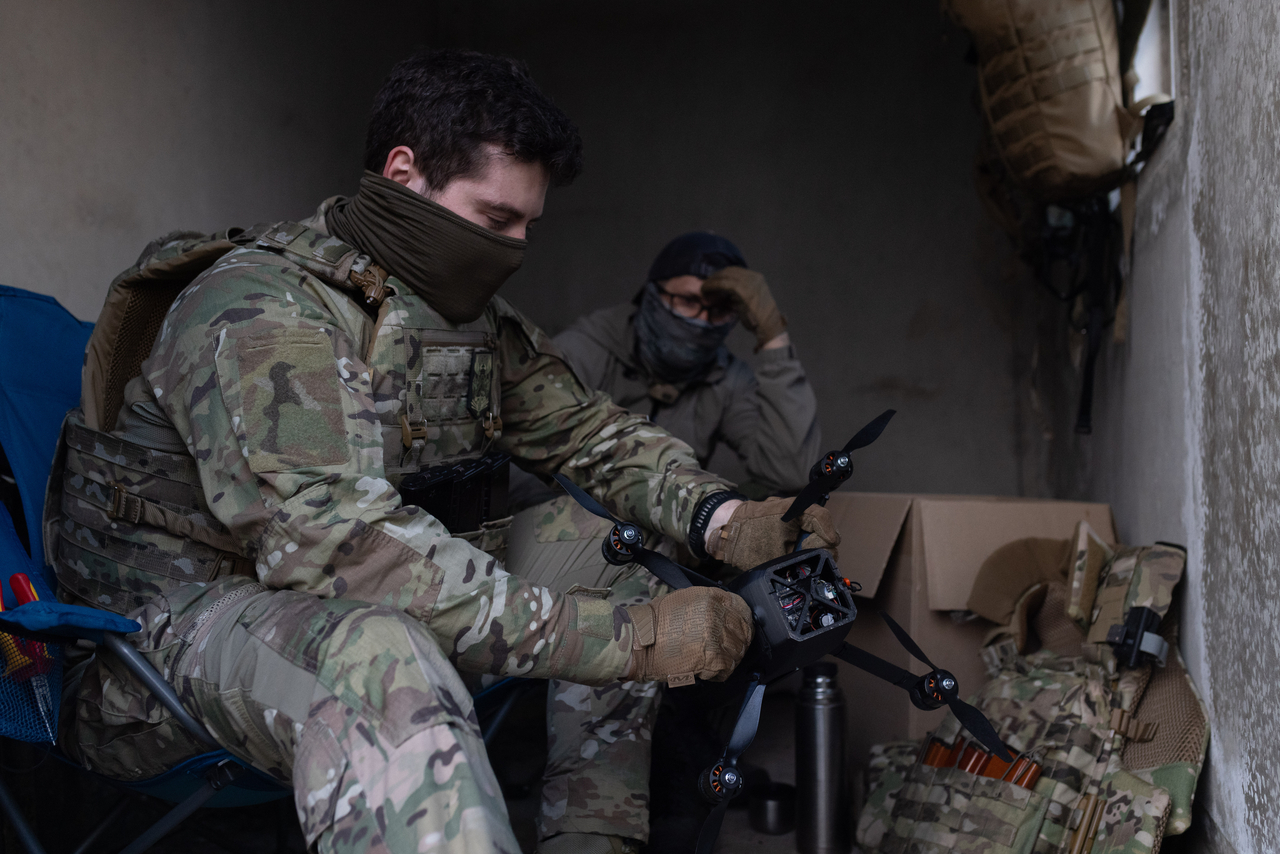
Reports have emerged of men in Russia struggling with health problems or alcohol dependency being forcibly enlisted in the military, as the prolonged war in Ukraine pushes recruitment methods toward increasingly coercive tactics.
CNN reported the findings based on testimony from people who said they had experienced forced enlistment in Russia.
The network said Russia's recruitment practices have been changing as the war enters its fifth year. After a large-scale mobilization order in 2022 triggered a mass exodus of Russians abroad, Moscow turned to large cash bonuses to attract volunteers. More recently, however, cases involving coercion and deception have been on the rise.
In one case, a man in his late 50s working for a state-owned defense company in a city in western Russia was grabbed by several men in plain clothes outside his apartment in July and forced into a vehicle.
According to his relatives, the man had vascular disease and alcohol dependency and could barely walk. The men who seized him made him sign documents that later turned out to be a military enlistment contract.
He was allowed to return home after signing but disappeared a week later. His family was subsequently told he was at a training facility in Russian-occupied Luhansk in eastern Ukraine, and late last month they received word that he had gone missing in combat.
A similar case involved a Russian man who said his brother was seized in July while intoxicated by unidentified men and made to sign a military enlistment contract.
When the family demanded his release, military prosecutors ruled the enlistment had been voluntary. Less than a month later, the family learned he had gone missing in combat.
Artyom Kliga, a Russian military law attorney based in Berlin, said requests for help related to such cases jumped over the summer. Most of those seeking assistance were men in vulnerable circumstances — in debt or dealing with health or alcohol problems.
Kliga said the men "effectively have no chance to refuse and don't even know what their rights are," adding that forced conscription "has become a routine occurrence."
Some have raised allegations that financial incentives for recruitment lie behind the forced enlistments. With the identities of those seizing men often unclear, civilian recruiters may be operating to collect bounties.
Some regional governments in Russia pay bonuses to people who help sign up new recruits. Ryazan Oblast announced last year that it would offer an incentive of 50,000 to 300,000 rubles (about 820,000 to 4.9 million won) after tax per contract soldier to anyone who helped secure an enlistment.
A relative of one man enlisted in the Russian military told CNN that recruiters "know they are essentially sending people to their deaths in order to collect the bounty."
The Russian anti-war group New Alternative Routes also criticized the bounty system, saying it resembles a referral promotion where anyone who brings a friend gets paid. The group said the system is structured so that people can collect a reward even for dragging someone who is drunk or homeless to a military enlistment office and forcing them to sign a contract.
woo@heraldcorp.com