Japan's duty-free regime shifts from instant to post-purchase refunds
Congestion feared as terminal rollout lags demand
Skipping refunds may be smarter for small purchases
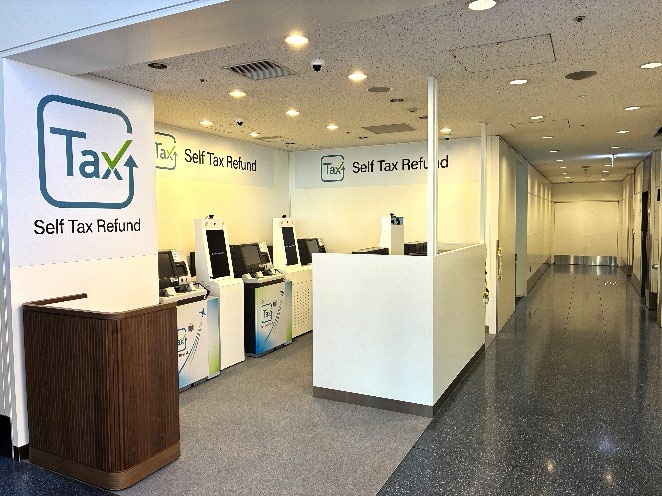
Japan will overhaul its consumption tax exemption system for foreign tourists next month, scrapping the point-of-sale discount in favor of a post-purchase refund model — a shift that will require visitors to rethink how they shop.
The most immediate change is a heavier upfront payment burden. Shoppers buying high-end electronics or luxury goods will need to pay the full tax-inclusive price at the register, so travelers should ensure their payment limits and account balances are sufficient before heading to the store.
Small purchases deserve a closer look. The minimum threshold for a refund is 5,000 yen ($32) in pre-tax spending at a single store on the same day. On a 5,000-yen purchase, the refund at the standard 10 percent consumption tax rate amounts to 500 yen — and that figure shrinks further once refund-agency fees are deducted. When waiting times and the added hassle of customs procedures are factored in, skipping the refund altogether may be the more practical choice for low-value items.
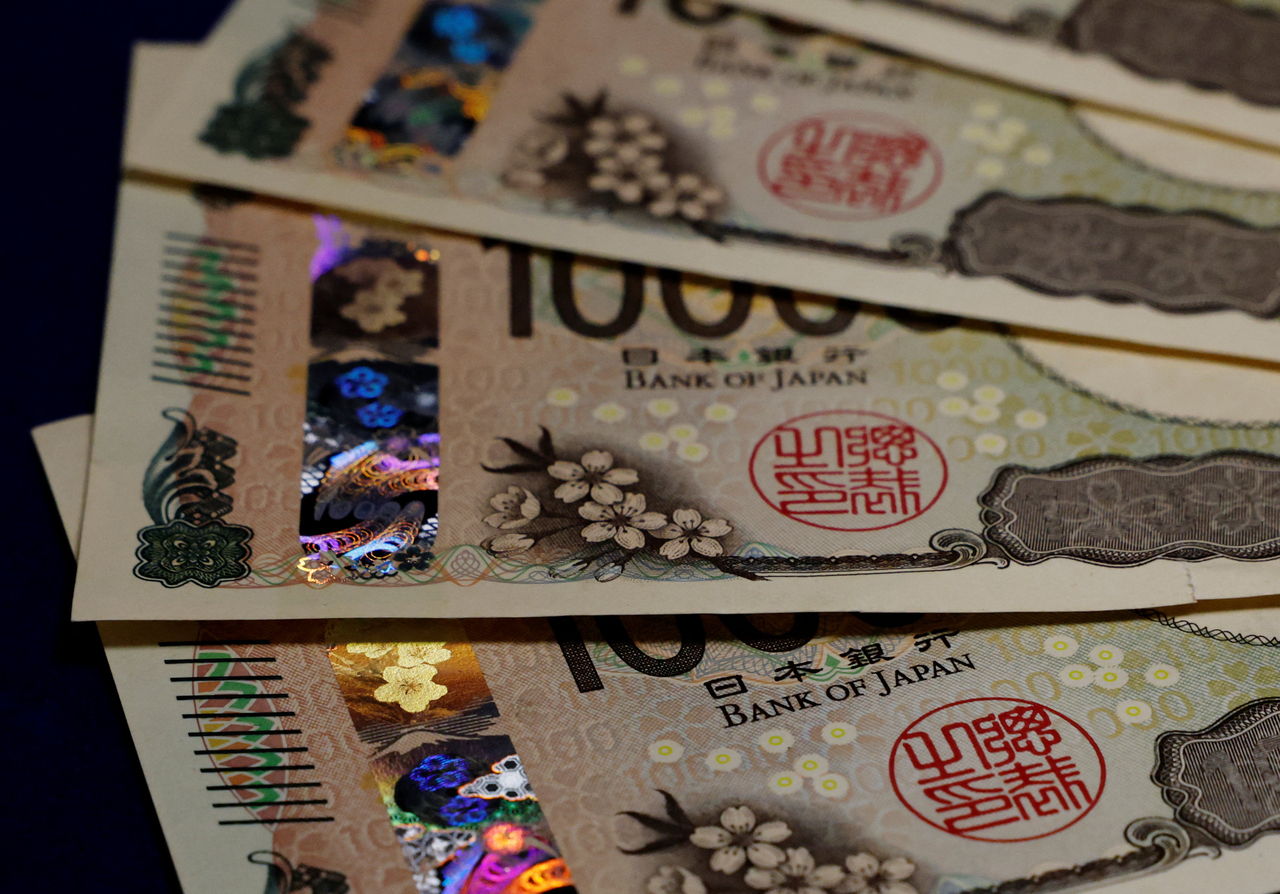
For those intent on claiming a refund, consolidating purchases at a single store in one transaction is far more efficient than spreading small buys across multiple shops. Travelers should also avoid combining purchases made by several people onto a single receipt. On the upside, the new system eliminates the old distinction between general goods and consumables. Clothing, cosmetics, food and other items bought at the same store on the same day can now be counted together, and any pre-tax total of 5,000 yen or more at that store will meet the minimum threshold.
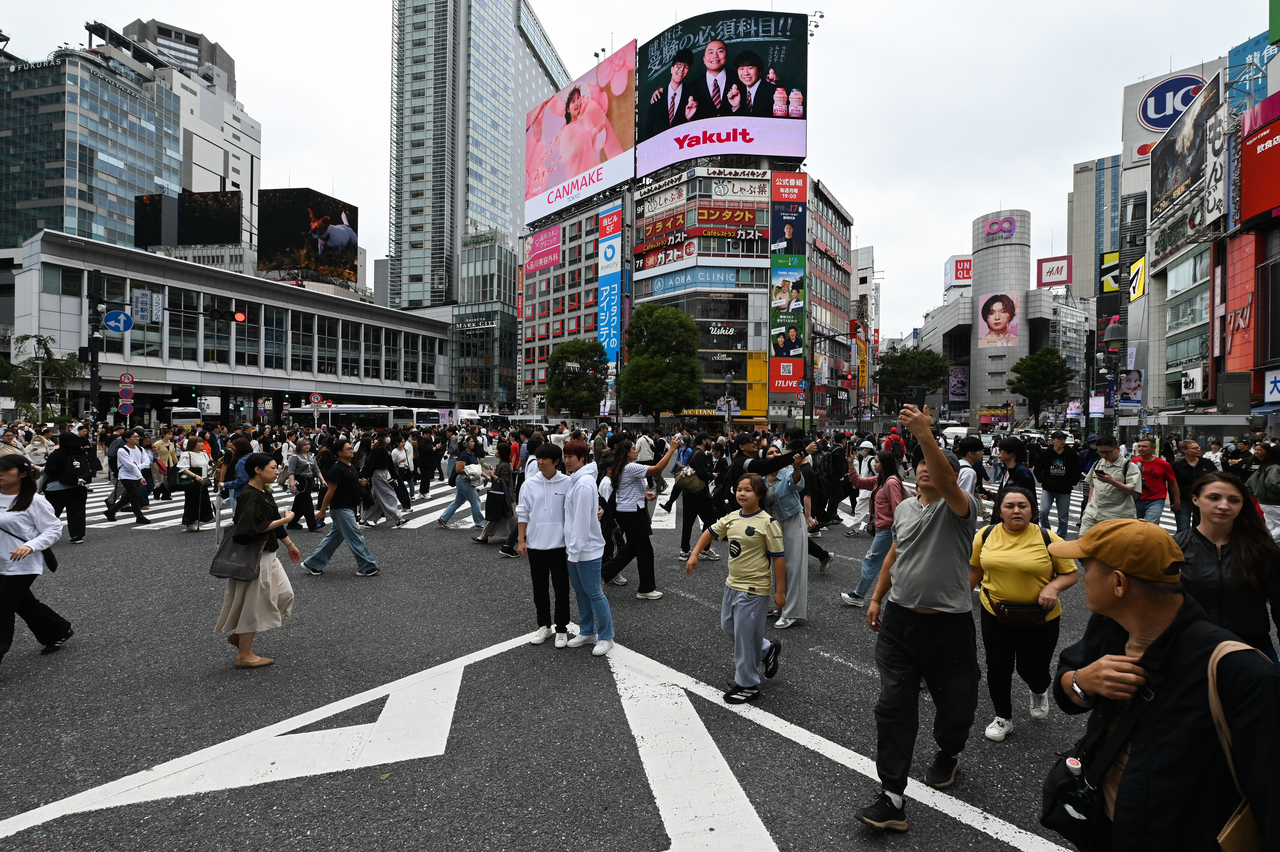
Airport congestion on departure day is another variable travelers will need to plan around. The new system adds a customs export-verification step before boarding, and in the early weeks of the rollout that process could take considerably longer than expected.
According to the Nikkei, Japanese customs authorities plan to deploy about 200 tax-refund processing terminals across 36 airports and seaports nationwide to support the new system. Many observers, however, worry that the infrastructure will fall short given the volume of foreign tourists visiting Japan.
Tokyo Customs gave media a preview of its processing preparations at Haneda Airport on Thursday, where 22 self-service terminals are set to be installed for the new tax-refund procedure. According to TV Asahi, the Haneda customs branch expects up to 12,000 users a day to pass through the refund verification process. If departure crowds surge, lengthy queues could follow. Travelers who want a smooth refund experience should arrive at the airport earlier than usual on their day of departure and leave plenty of time to spare.
An official from the Japan Tourism Agency said congestion is likely in the early stages of the rollout, as limited terminal capacity, staff still getting up to speed and travelers unfamiliar with the machines will all converge at once, and urged visitors to arrive at the airport with ample time. The official added that the agency is actively promoting smartphone-based processing through the Visit Japan Web platform and expects the new refund system to stabilize after roughly three months.
terry@heraldcorp.com