Within two months of its launch, the task force has collected 570 million won in delinquent taxes, returned about 1,200 unclaimed refunds and connected 20 at-risk households to welfare services — combining tax collection, refunds, welfare, job placement and public employment in one initiative
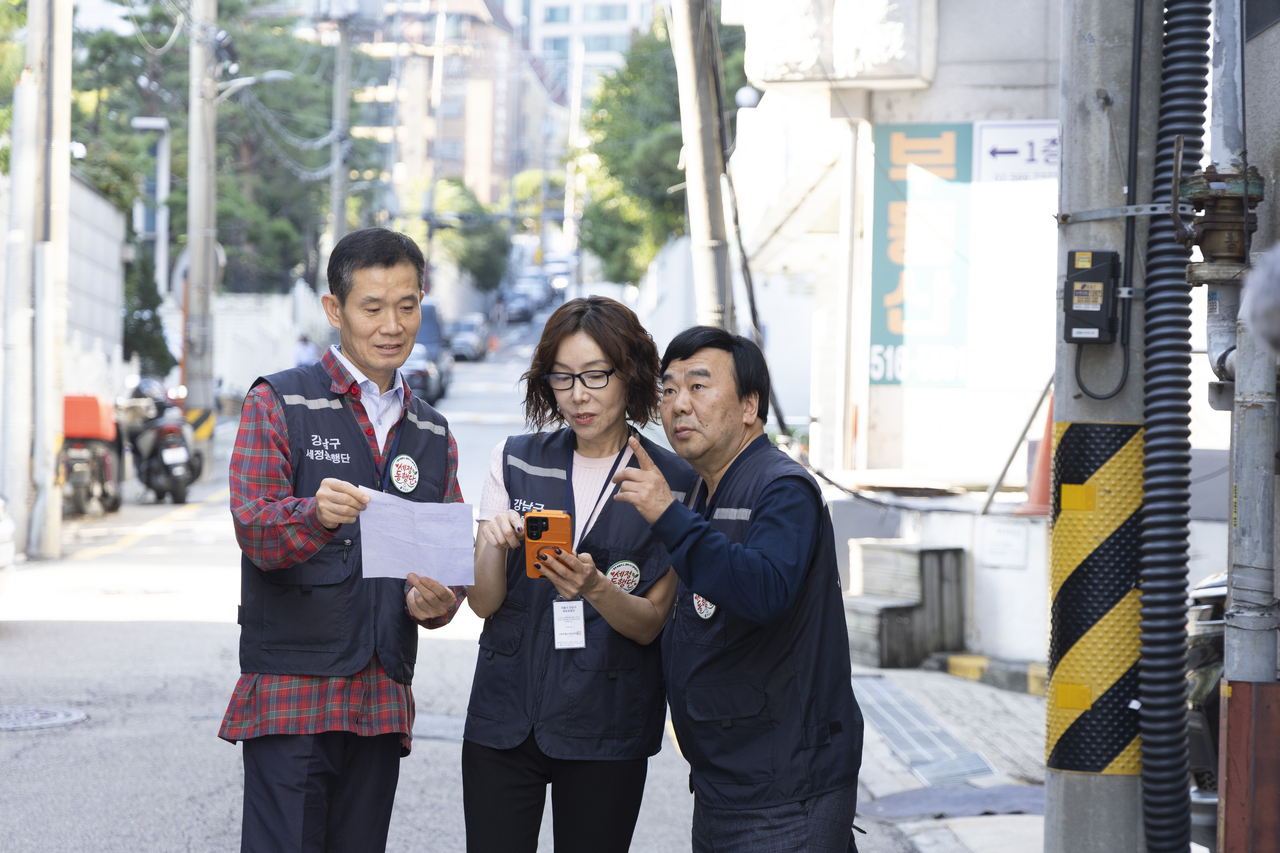
Gangnam-gu has collected 570 million won ($430,000) in delinquent taxes in just over two months since launching its tax administration outreach task force in August. The district has gone beyond simple collection, tracking down unclaimed refunds to return to residents and connecting those in need with welfare and employment services.
The task force pairs 31 fixed-term workers with dedicated civil servants to conduct phone consultations and on-site investigations, pursuing both revenue collection and taxpayer support at the same time.
As a result, the initiative has delivered what officials are calling a "one-stone, five-gain" outcome: collecting delinquent taxes, identifying residents falling through the welfare safety net, returning small unclaimed refunds, placing residents in jobs and creating public employment.
The collection results stem from persistent follow-up rather than one-time notices. When a resident could not be reached, staff called again. When payment proved difficult, workers reviewed the reasons for the delinquency and offered options such as installment plans. When phone calls alone were not enough to assess a situation, staff visited in person to examine residents' living conditions and ability to pay.
Small leads have also produced real results. One team member noticed that two separate delinquent companies shared the same representative name and contact information. Although the company names and business types differed, the worker recognized that a single person was running multiple firms, pursued the case through sustained consultations and ultimately secured payment of the outstanding taxes. Careful cross-referencing of records and persistent follow-through proved to be the key.
The task force also worked to return taxes owed to residents. The district reviewed about 3,200 cases of small unclaimed refunds totaling 530 million won and sent out refund notices, resulting in about 1,200 cases worth 300 million won being returned.
Tax consultations have also led to welfare and employment referrals. During phone calls and on-site visits, team members identified residents struggling with their livelihoods and have so far referred 20 cases to their local community service centers. In one instance, a consultation revealed that a resident had spent 30 years in the furniture repair trade, and staff connected that person with a job that put those skills and experience to use.
Creating public employment has been another outcome of the task force. The district hired 31 fixed-term workers and assigned them to handle delinquency outreach, on-site investigations and refund guidance in collaboration with dedicated civil servants.
The task force will operate through the end of November. The district plans to continue collecting delinquent taxes and returning unclaimed refunds during the remaining period, while maintaining a field-centered approach that connects residents in need with welfare and employment services through the consultation process.
Gangnam-gu District Mayor Kim Hyun-gi said the initiative is delivering on the vision he set out at its launch. "When we started, I asked that this be a true partnership — something only Gangnam can do," he said. "Thanks to the team members' perseverance and dedication, that spirit is producing real results on the ground. Going forward, we will build on fair collection by adding protection of taxpayer rights and genuine care, creating a style of tax administration that is uniquely Gangnam's."
seouldream01@heraldcorp.com